Truck Mechanic Dangerous Paths vs. SnowRunner: Which Off-Road Titan is Better?
As someone who spends a ridiculous amount of time imagining myself as a truck-driving hero in sprawling, muddy landscapes (and yes, I sometimes picture the trucks with anime-style exaggerated expressions when they’re about to break down), I’ve been waiting for a new off-road contender to challenge the king.
For years, SnowRunner has been the ultimate sandbox for dirt-loving gearheads, letting players tackle monstrous mud, icy trails, and insanely complicated logistics.
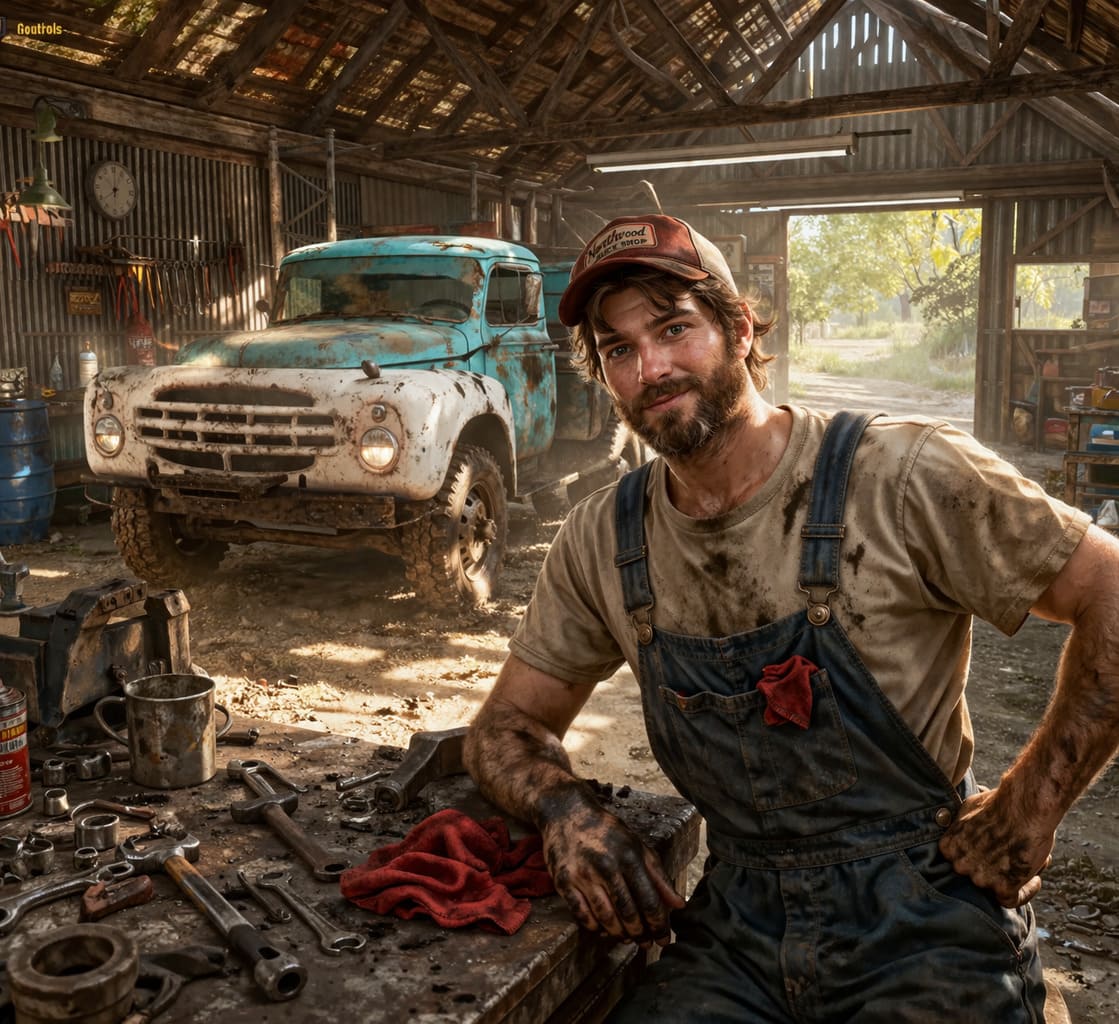
But now, Truck Mechanic: Dangerous Paths by Atomic Jelly is rolling onto the scene like a turbocharged mecha truck from an anime—bringing intense mechanical detail, narrative stakes, and South American flair.
How to Unlock New Heroes: Ferun the Berserker Early Game Dominance Build
I’ve been diving deep into both games, and here’s my honest, slightly nerdy take on how they compare.
1. Core Focus: Driving vs. Survival
SnowRunner: The Logistics Colossus
SnowRunner has always been about scale and strategy. You’re not just a driver; you’re a fleet manager. Unlocking new regions like Michigan, Alaska, and Taymyr feels like leveling up in an RPG. You build bridges, upgrade your vehicles, and carefully plan your delivery routes. The mechanic side? Honestly, it’s more like an abstract menu—you click “repair” and move on, which works if you love logistics but doesn’t satisfy that itch to tinker with gears and pistons.
Truck Mechanic: Dangerous Paths – The Hands-On Masterpiece
This game flips the script. Imagine combining Car Mechanic Simulator with a story-driven adventure like Firewatch. Here, you can’t just click a button. You step out of the cab, grab a wrench, and get your hands dirty. Over 1,000 parts can be dismantled and repaired, and your survival depends on it. Every breakdown is a high-stakes puzzle—especially on precarious cliffside roads in South America.
TL;DR: SnowRunner is about strategic expansion, while Dangerous Paths is about intimate survival and mechanical mastery.
2. Mechanical Immersion: Menus vs. Reality
If you’ve ever dreamed of actually understanding how an engine breathes, Truck Mechanic is a love letter to your inner engineer.
- Truck Mechanic: Physically handle tools, parts, and engine components; monitor your character’s stamina and resources; each repair is a puzzle: miss a step, and your truck might not make it to the next village.
- SnowRunner: Repairs are abstracted to a simple menu; bring a maintenance trailer near your truck, and your “damage points” reset instantly; efficient, but lacks the visceral thrill of turning a stubborn bolt under stress.
Honestly, working on a virtual engine in Dangerous Paths feels almost anime-level dramatic—like those moments when a protagonist frantically repairs their mech while time ticks away, except it’s a real truck and mud is your antagonist.
3. Physics and Terrain: Nature as the Boss Fight
Both games treat terrain like a final boss fight, but their approaches differ dramatically.
SnowRunner: World-class mud and snow physics. Tires sink, slide, and struggle realistically. Tarmac physics can feel floaty at times, making heavy trucks almost surreal on dry roads. It’s a dream for players who love meticulously calculated terrain interaction.
Dangerous Paths: Focuses on survival physics. Your cargo’s weight affects your handling, and fragile components can fail under stress. While mud may not feel bottomless like SnowRunner, the stakes feel higher and more personal. One wrong maneuver could mean hours of repairs—and that makes every drive tense and satisfying.
I like to think of it like anime fight choreography: SnowRunner is the epic battle in the mountains, while Dangerous Paths is the tense, emotional duel where every move counts.
4. Environment and Storytelling
Here’s where Dangerous Paths really shines.
SnowRunner: Vast, lonely maps. Isolated atmosphere captures the “man vs. nature” vibe beautifully. Can feel too desolate, especially for players who thrive on narrative engagement.
Truck Mechanic: Vibrant South American landscapes. NPCs react to your actions, and a reputation system adds layers to gameplay. Missions feel like chapters in an ongoing story, with high-stakes survival scenarios that make you genuinely care about each delivery.
For someone like me who loves immersive worlds (anime fans will get this—the kind of world-building where minor interactions matter), Dangerous Paths is a paradise of tension, color, and drama.
5. Quick Comparison Table
| Feature | SnowRunner | Truck Mechanic: Dangerous Paths |
|---|---|---|
| Focus | Fleet Management & Logistics | Narrative Survival & Deep Mechanics |
| Repair System | Menu-based Repairs | Manual Disassembly (1,000+ parts) |
| World Setting | Open-world (US, Russia, etc.) | Story-driven South American locales |
| Vehicles | 60+ trucks | Highly detailed, customizable single truck |
| Multiplayer | 4-player Co-op | Single-player focused |
| Key Strength | Epic terrain physics | Mechanical immersion & tension |
6. Which One Wins My Heart?
If you’re like me and have ever been stuck in the mud for hours in SnowRunner, you might secretly wish you could pop the hood and save your rig yourself. Truck Mechanic scratches that itch perfectly. It’s a hands-on, story-driven experience, almost like playing an anime where the truck is a mecha, and every breakdown is a mini-arc.
SnowRunner, meanwhile, remains unmatched in its scale, logistics depth, and pure terrain mastery. It’s a dream if you love plotting routes and watching your fleet conquer impossibly muddy worlds.
In short:
– Pick SnowRunner if you want to feel like the ultimate logistics overlord with the best off-road physics in gaming.
– Pick Truck Mechanic: Dangerous Paths if you crave gritty, personal stories, nail-biting survival, and hands-on truck repair.
Honestly, both games deserve a spot on your shelf—or in your Steam library—but the choice depends on whether you want macro-scale domination or micro-scale mechanical thrill. Me? I’m personally diving into Dangerous Paths first—it’s got the heart, tension, and tactile joy that feels straight out of an anime montage.
Off-Road Titans Face-Off: SnowRunner vs. Truck Mechanic: Dangerous Paths – Can Your PC Keep Up?
If you’re like me, a gamer who loves the thrill of mastering insane terrains with impossibly heavy trucks—kind of like a real-life “Initial D” drifting adventure but with mud, gears, and engine groans—you’ve probably wondered: Can my PC handle these behemoths at Max Settings?
Today, we’re diving into two of the most talked-about off-road experiences: SnowRunner and Truck Mechanic: Dangerous Paths (First Mile Edition). Spoiler alert: they are NOT equal in their hardware appetite.
Let’s break this down like a proper anime battle—power levels included.
System Requirements Face-Off: A Quick Table
Here’s a side-by-side of what your PC needs to push each game to its limits:
| Component | SnowRunner (Recommended) | Truck Mechanic: Dangerous Paths (Recommended) |
|---|---|---|
| OS | Windows 7/8/10 (64-bit) | Windows 10 / 11 (64-bit) |
| CPU | Intel i7-8700 / AMD Ryzen 7 2700 | Intel i5-8600K / AMD Ryzen 7 3700X |
| RAM | 16 GB | 16 GB |
| GPU | NVIDIA GTX 970 / AMD RX 580 (4GB VRAM) | NVIDIA RTX 3060 Ti / AMD RX 6600 XT (8GB VRAM) |
| DirectX | Version 11 | Version 11 |
| Storage | ~20–50 GB | ~25–30 GB |
GPU Demands: The Real Power Struggle
I have to admit, I get a little giddy thinking about graphics cards like they’re characters in a shonen anime lineup. In this matchup:
- SnowRunner: Even a GTX 970 can handle this champ at 1080p without breaking a sweat. It’s optimized beautifully, meaning older rigs can still enjoy deep mud, icy slopes, and insane river crossings.
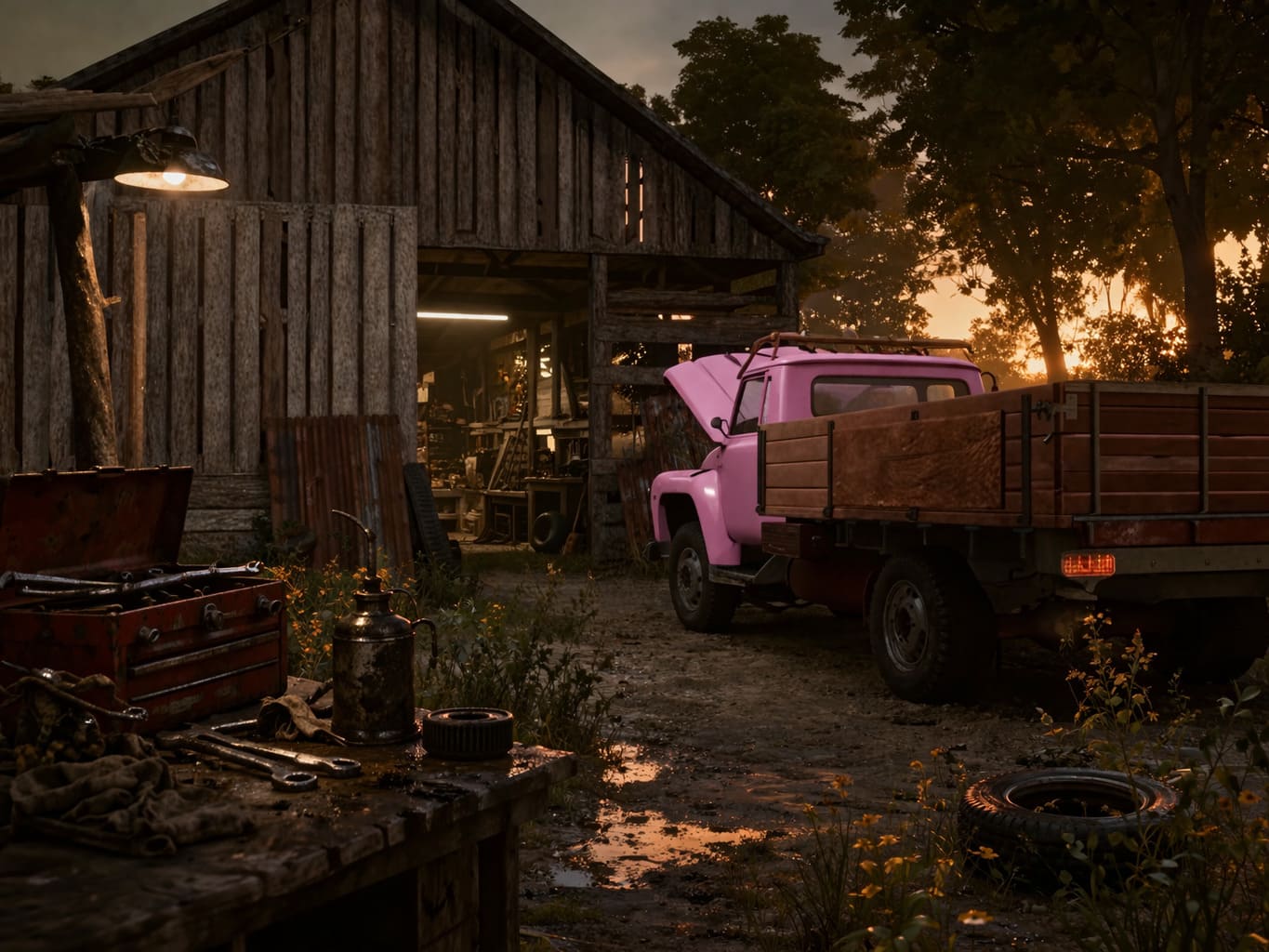
- Truck Mechanic: This is your “final boss” level in GPU terms. You’ll want an RTX 3060 Ti or better, because the game’s lighting effects, detailed mechanical components, and dynamic damage systems make your GPU work like it’s training for a tournament arc.
If your PC is a bit older, think of SnowRunner as the anime sidekick who’s reliable, always showing up on time, while Truck Mechanic is that hotshot rival who pushes you to the limit—but only if you’re ready.
CPU & Physics: More than Just Eye Candy
Both games make your processor sweat, but in very different ways:
- SnowRunner: Physics are tied closely to framerate, so if you try to push beyond 60 FPS, trucks may fly or sink through mud, which is hilarious at first, then terrifying. The CPU demands are moderate; even 2012-era CPUs can scrape by on lower settings.
- Truck Mechanic: This game’s physics are a masterpiece in complexity. Every creak of the engine, every groan from the suspension, every wobble when you misalign gears—your CPU is working overtime. You can almost hear your PC panting like a character running from a giant kaiju.
In short: SnowRunner is forgiving and fun, whereas Truck Mechanic punishes mistakes with realistic mechanical drama. It’s like comparing a heartwarming slice-of-life anime to a tense mecha fight—you enjoy both, but one will give you more adrenaline.
Memory & Storage: Not Too Crazy, But Not Tiny
Both titles hover around 16 GB of RAM recommended, which is standard for modern gaming, but note the storage:
- SnowRunner: 20–50 GB depending on DLC and mods.
- Truck Mechanic: 25–30 GB—surprisingly lean for how detailed it looks.
So even if you’re gaming on a mid-range laptop with an NVMe SSD, you’re good, but remember: Truck Mechanic’s additional graphical assets mean faster drives are better to prevent load-time frustration.
Real-World Experience: How They Feel on Your Rig
Here’s where I like to share my personal “anime fan gamer” impression:
- SnowRunner: Feels like a nostalgic journey. Even on older hardware, you can enjoy the mud-splattered landscapes, tricky river crossings, and the quiet satisfaction of finally conquering a steep hill. It’s calming, like a slice-of-life anime with intense plot moments sprinkled in.
- Truck Mechanic: This is your intense action-packed series. Every bolt, every wheel, and every engine note is hyper-detailed. It’s thrilling, immersive, and very demanding. You’ll notice your PC fans screaming like a battle scene soundtrack.
If you’ve got a modern mid-range rig (RTX 3060 or better), congratulations—you can enjoy both games maxed out. But if you’re on an older “workhorse” laptop, SnowRunner is your safe, playable choice without sacrificing fun.
Key Takeaways: Picking Your Champion
Here’s my personal recommendation in list form:
- Older PCs / Budget Builds: Go for SnowRunner. It’s well-optimized, forgiving, and still gives that epic off-road thrill.
- Modern Mid-Range / High-End PCs: You can enjoy both at max settings. Truck Mechanic shines if you love mechanical realism and detailed graphics.
- Physics Lovers: SnowRunner offers quirky, fun physics, but Truck Mechanic’s systems are realistic and punishing—a real treat if you love tinkering.
- Storage-Friendly Players: Both are manageable, but SnowRunner can get large with mods.
- Anime Vibe Factor: SnowRunner is a comforting, dependable friend; Truck Mechanic is the intense, edge-of-your-seat rival you can’t stop watching.
Final Verdict
Both SnowRunner and Truck Mechanic: Dangerous Paths have their own charm. SnowRunner is like a well-loved anime classic—it works on almost anything and gives pure off-road joy. Truck Mechanic, especially the First Mile edition, is like a visually stunning, adrenaline-packed series with layers of mechanical depth—you just need the hardware to fully appreciate it.
If your goal is “Ultra/Max settings at 1080p/60FPS or higher”, your GPU is the make-or-break factor. Mid-range modern cards make life easy, while older rigs will find Truck Mechanic a bit punishing but SnowRunner forgiving.
Ultimately, it comes down to your setup and gaming mood: a relaxed off-road adventure, or an intense, fully-realized mechanical challenge. Either way, prepare for mud, gears, and a whole lot of engine groaning—this is one off-road journey where your PC’s limits really get tested.