Marathon 2026 Mobility Guide: Synthetic vs. Bio-Shells Movement Meta and How to Track Audio Cues Like a Pro?
When Marathon launched on March 5, 2026, most players expected another hardcore extraction shooter with tight gunplay and brutal PvP encounters. What many didn’t expect was how movement itself would become the real skill ceiling of the game.
After dozens of hours roaming the hostile surface of Tau Ceti IV, one thing became clear: the Shell you choose determines how you survive. Not your weapon. Not your loot. Your mobility.
The community quickly started grouping Shells into two unofficial archetypes — “Synthetic speedsters” and “Bio-Shell bruisers.” And honestly? That distinction feels pretty accurate once you start pushing high-risk runs.
Below is my breakdown of how the current Marathon mobility meta in 2026 actually plays out in real matches.
Synthetic vs Bio-Shell Movement: Two Completely Different Playstyles
Even though the game’s lore describes all Runner bodies as biosynthetic constructs, the gameplay experience feels dramatically different depending on which Shell you inhabit.
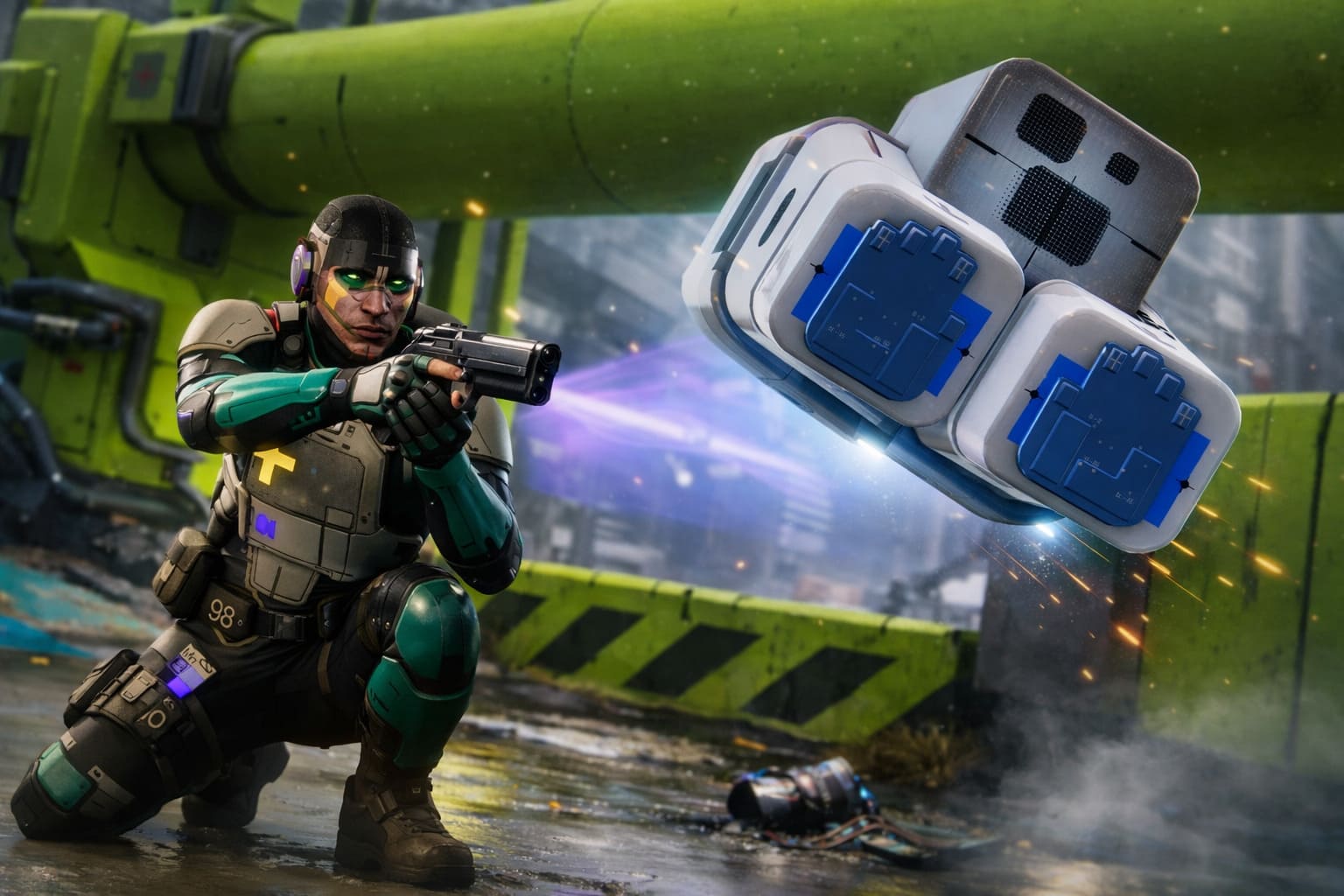
Synthetic-Style Speedsters
These are the Shells built for aggressive mobility, vertical traversal, and fast extractions.
Vandal
Thief
Think thrusters, microjets, and fast repositioning.
The playstyle revolves around:
- Rapid map traversal
- Quick loot grabs
- Escaping before enemies can react
- Vertical map control
If you’re the kind of player who likes flanking, parkour, and chaos, this category feels incredible.
Marathon Steam Deck Optimization Guide (2026): Best Settings for Max FPS and Stability
Bio-Shell Heavyweights
These Shells move differently. Not slower necessarily — but more deliberate.
Destroyer
Triage
Their strengths lean toward:
- Controlled mobility
- Combat positioning
- Team survivability
- Tactical engagements
Instead of flying across rooftops, you’re pushing lanes, holding angles, and stabilizing fights.
The Heat System: Marathon’s Real Skill Check
One mechanic completely changes how movement works in Marathon — the Heat System.
Every advanced move generates heat:
- double jumps
- slides
- thruster dashes
- sprint boosts
Once the heat bar fills, your Shell enters overheat state, which means abilities are disabled, movement speed is reduced, and you become an easy target.
In other words: movement has a cost.
This is the biggest difference from games like Destiny 2, where mobility abilities are often more forgiving.
In Marathon, bad movement equals death.
Why Vandal Dominates the Current Movement Meta
Let’s be honest — if you watch high-level players, one Shell appears constantly: Vandal.
The reason is simple: heat efficiency.
Key abilities include:
Microjets (Trait)
Allows mid-air double jumps for vertical positioning.
Overload (Prime Ability)
Temporarily reduces heat generation while boosting speed.
This combo lets skilled players chain movements without constantly overheating.
But there’s a catch.
Vandal has one of the highest skill floors in the game.
If you mismanage heat even slightly, you’ll stall out in the middle of a fight. And that’s usually the end of your run.
The Ghost in the Extraction: How Durandal Connects to Bungie’s Marathon (2026)
Tactical Movement Options: Destroyer and Assassin
Not everyone needs hyper-mobility.
Some Shells shine through situational movement instead of raw speed.
Destroyer
Movement tools include thruster dash and tactical sprint bursts.
It’s perfect for closing distance in combat, dodging projectiles, and controlling choke points.
It feels like a brawler with mobility spikes, rather than a parkour class.
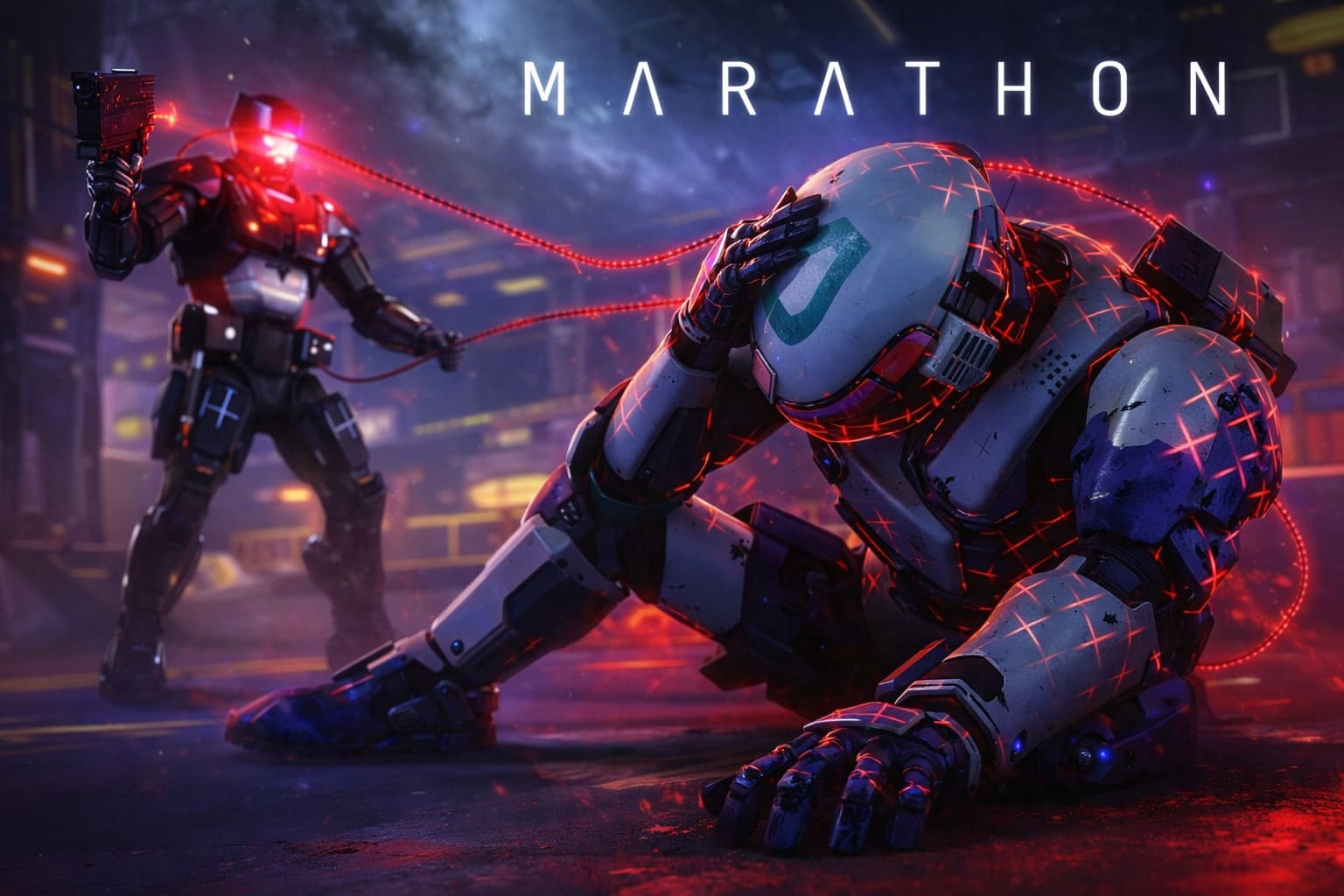
Assassin
This Shell is fascinating because its mobility is psychological.
Instead of outrunning enemies, it simply avoids being seen.
Core mechanics revolve around camouflage, smoke deployment, and stealth repositioning.
For solo players exploring dangerous zones like Dire Marsh, Assassin can feel almost unfair.
Mobility Builds: Cores and Implants Matter More Than You Think
Your Shell is only the starting point. The real movement customization comes from Cores and Implants.
| Mod Type | Example | Mobility Impact |
|---|---|---|
| Core | Vandal Triple Jump | Adds an extra mid-air boost |
| Implant | Kinetic Capacitor | +10% base movement speed |
| Implant | Heat Sink | Increases heat capacity |
| Core | Heavy Impact (Destroyer) | Thruster dash creates shockwave |
A strong build can completely change how a Shell feels to play.
For example, triple-jump Vandal builds dominate vertical maps, heat-focused builds allow longer escape chains, and speed implants turn average mobility into elite traversal.
What the Community Currently Prefers
After digging through Reddit threads and watching plenty of high-level runs, the consensus seems to look like this.
Best Shells for Solo Players
- Assassin — stealth disengagement
- Rook — safe farming mobility
Best Team Composition
A popular squad setup includes:
- Vandal — scout and mobility control
- Destroyer — frontline pressure
- Triage — sustain and team support
This combo balances speed, durability, and healing.
The Real Secret to Winning in Marathon
Here’s the biggest lesson many new players miss.
The fastest player doesn’t always win.
The best players understand when to sprint, when to slide, when to disengage, and when to cool down heat.
Mobility in Marathon isn’t about speed — it’s about timing and control.
Once you start thinking about your heat bar like a second health bar, the game completely changes.
Quick Mobility Tips for New Runners
- Don’t spam jump. It’s the fastest way to overheat.
- Sliding is underrated. It’s safer than sprinting in open areas.
- Watch the heat meter constantly. Red means disengage immediately.
- Invest in Heat Sink implants early. They forgive beginner mistakes.
Listen or Lose: Why Audio Awareness Is the Real Meta in Marathon (2026)
When Bungie revealed Marathon (2026), a lot of people expected slick gunplay and high-tech gear. What surprised many players during early sessions, though, was just how much the game rewards good ears. On Tau Ceti IV, audio isn’t just background flavor — it’s tactical information.
If you’ve played a few runs already, you probably know the feeling: you’re looting quietly, everything seems calm… and suddenly someone ambushes you because they heard you reload three rooms away. In a game where losing a Shell means losing your gear, learning the soundscape is basically a survival skill.
Here’s my fan-level breakdown of how audio tracking really works in Marathon and how you can start using it like experienced players do.
Why Sound Matters More Than You Think
Extraction shooters live and die by information. In many cases, audio is the only clue that another Runner is nearby.
Unlike typical shooters where footsteps are just noise, Marathon builds entire encounters around sound design. Every movement, gadget, or interaction leaves a trail for attentive players.
What makes the difference:
- footsteps reveal movement direction
- reloads expose vulnerability
- looting noises give away greedy players
- extraction calls attract hunters
A good headset can literally be more valuable than better aim.

Recognizing Enemy Audio Cues
The first skill every Runner should learn is identifying player-generated sounds versus environmental noise.
Footsteps and Movement
Different surfaces tell different stories.
- Metal floors – loud, sharp echoes that travel far
- Concrete or debris – slightly muffled but still clear
- Sand or dirt – softer and harder to pinpoint
Even experienced players sometimes forget that sprinting in an industrial corridor basically broadcasts your location.
Another underrated clue is the sprint-to-crouch transition. It produces a small shifting noise that good players instantly recognize.
Combat and Equipment Sounds
Every action produces a unique audio signature.
Common giveaways:
- healing kits → faint hiss
- weapon reload → metallic click
- opening containers → rattling metal
- gadget deployment → mechanical whirr
If you hear someone reload nearby, that’s often your perfect moment to push aggressively.
Shell Abilities Have Their Own Sounds
One detail I personally love about Marathon is that each Shell practically has its own audio personality.
That means if you listen closely, you can sometimes identify the enemy before you even see them.
| Shell | Distinct Audio Cue | What It Means |
|---|---|---|
| Vandal | Air burst from double jump | Expect vertical movement |
| Assassin | Smoke pop or shimmer noise | Invisible enemy nearby |
| Thief | Drone whirring | Recon or scouting happening |
| Recon | Pulse scan sound | You may already be tracked |
Once you start recognizing these cues, fights feel less random and much more tactical.
Audio Settings That Actually Give an Advantage
Not all players realize how much the right audio setup helps.
Here are a few settings many competitive players swear by:
- Studio Reference audio mode for wider dynamic range
- Spatial audio (Dolby Atmos / Windows Sonic / PS5 3D Audio)
- lowering music volume to around 10–20%
- keeping proximity chat enabled for directional clues
The last one is underrated. Hearing someone casually talking while sneaking through a building is one of those moments where you realize diegetic voice chat is brilliant game design.
Environmental Sounds Are Tactical Tools
Tau Ceti IV isn’t a quiet map — and that’s intentional.
The environment constantly reacts to player movement.
Examples:
- birds taking off when someone passes nearby
- mechanical alarms or industrial noises
- AI patrols reacting to disturbance
Sometimes loud map events — like cargo machinery or warning horns — can actually cover your footsteps, letting you reposition without alerting enemies.
Good players use these moments like natural sound camouflage.
Quick Audio Cue Cheat Sheet
| Action | Sound | Tactical Use |
|---|---|---|
| Sprinting | Heavy rhythmic footsteps | Easy to track through walls |
| Crouching | Subtle rustling | Good for stealth flanks |
| Reloading | Distinct metallic click | Best moment to attack |
| Drone launch | High pitched whir | Recon enemy nearby |
| Extraction start | Loud industrial hum | Expect ambush hunters |
Final Thoughts
The most surprising thing about Marathon 2026 is how deeply the movement system shapes the entire game.
Gun skill matters, sure. But the players dominating extraction zones aren’t necessarily the best shooters.
They’re the ones who have mastered heat management, positioning, and Shell mobility.
And once you hit that rhythm — sliding through firefights, jetting over rooftops, escaping with seconds to spare — Marathon becomes one of the most satisfying shooters Bungie has ever made.
What makes Marathon’s sound design so impressive is that it transforms the game from a simple shooter into something closer to a cat-and-mouse hunt.
You’re not just reacting to visuals — you’re interpreting a full audio ecosystem.
Once you start noticing these details, the whole experience changes. Suddenly you’re pausing in corridors to listen, predicting movement through walls, and catching enemies before they even realize you’re there.
And honestly? Those moments when you track someone purely by sound and outplay them are some of the most satisfying plays the game offers.
So next time you drop onto Tau Ceti IV, remember:
Keep your volume high, your music low, and trust your ears.