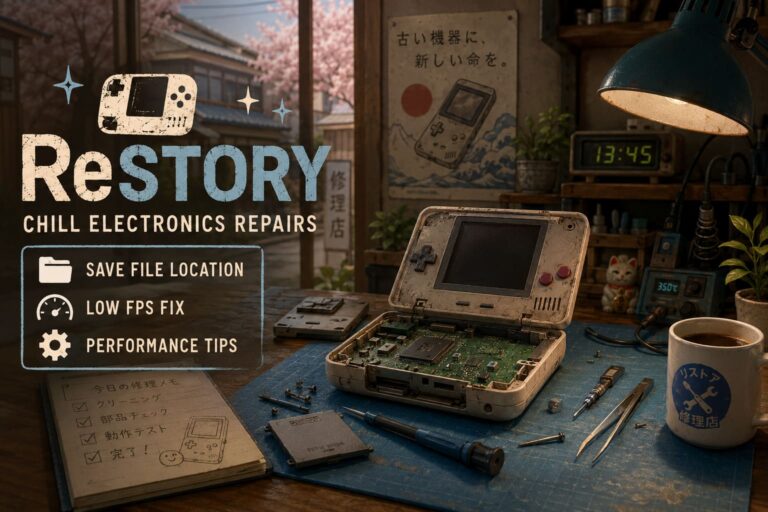
ReStory Chill Electronics Repairs System Requirements & Gameplay Guide
There are simulation games that keep you busy for a few hours, and then there are games that quietly become part of your evening routine. After spending years jumping between hardcore RPGs, competitive shooters, survival sandboxes, and management simulators, I have learned that sometimes the best gaming experiences come from the smallest ideas. ReStory: Chill Electronics Repairs immediately gave me that feeling.
At first glance, repairing old electronics might sound too niche to carry an entire game. I had the same thought before watching extended gameplay and digging into everything the developers have shared. The more I saw, the more convinced I became that this isn’t just another simulator trying to capitalize on the cozy gaming trend. It looks like a project made by people who genuinely appreciate old technology and understand why restoring a forgotten gadget can feel surprisingly satisfying.
If you’re wondering whether your PC can run it, what kind of gameplay to expect, or whether it’s worth adding to your Steam wishlist, here’s everything you should know.
What Makes ReStory Different From Other Simulation Games?
I’ve played plenty of repair-focused simulators over the years. Some concentrate purely on technical accuracy, while others simplify everything into a couple of button presses. ReStory seems to sit comfortably between those extremes.
Instead of overwhelming players with engineering-level complexity, it focuses on making every repair feel hands-on without becoming frustrating. You’re not simply selecting a ‘Repair’ option from a menu. Every device becomes a miniature project that requires attention and patience.
That approach reminds me why games like PowerWash Simulator unexpectedly became huge successes. They’re relaxing without feeling shallow, and they reward concentration instead of reflexes.
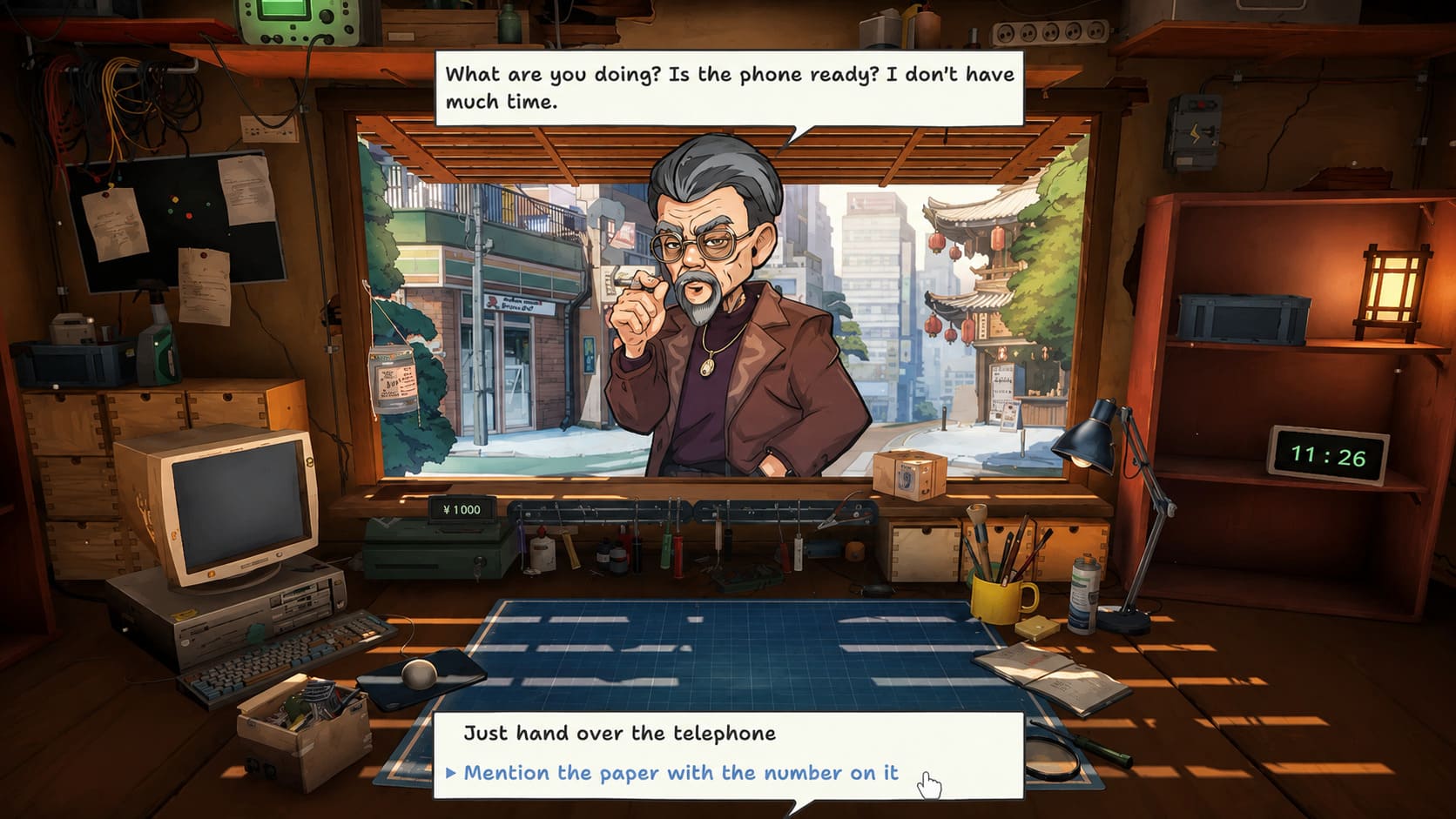
In ReStory, you’re running a small electronics repair shop in Tokyo during the early 2000s, a period when portable CD players, flip phones, digital cameras, handheld consoles, and Tamagotchis were part of everyday life. For anyone who grew up during that era, there’s a genuine sense of nostalgia that goes beyond visual style.

Official PC System Requirements
One thing that immediately stood out is how accessible the game is from a hardware perspective. You won’t need an expensive gaming PC just to enjoy the experience.
| Component | Minimum | Recommended |
|---|---|---|
| Operating System | Windows 10 64-bit | Windows 10 / Windows 11 |
| Processor | Intel Core i3 or AMD Ryzen 3 | Intel Core i5 or AMD Ryzen 5 |
| Memory | 4 GB RAM | 8 GB RAM |
| Graphics Card | GTX 750 Ti or equivalent | GTX 1050 Ti / Radeon RX 570 |
| DirectX | Version 11 | Version 11 or 12 |
| Storage | 1 GB | 2 GB (SSD Recommended) |
Honestly, these requirements are refreshingly modest in 2026. At a time when many new releases demand massive downloads and cutting-edge GPUs, seeing a complete game fit into only a couple of gigabytes almost feels nostalgic by itself.
Will Your PC Run ReStory?
For most players, the answer is probably yes.
Even older gaming PCs should have little trouble running the game. A GTX 750 Ti was released years ago, yet it still appears as the minimum graphics requirement. That says a lot about how optimized the developers want the experience to be.
That being said, I’d still recommend aiming for the suggested specifications if possible. While ReStory isn’t graphically demanding, the game appears to include detailed object physics, interactive repair animations, close-up inspection modes, particle effects while cleaning electronics, and smooth camera zooming. Those small details are exactly what create immersion, and stable frame rates make the experience much more enjoyable.
Repairing Devices Actually Looks Fun
One aspect I really appreciate is that repairing hardware isn’t reduced to a simple progress bar. Each repair follows multiple steps that feel deliberate rather than repetitive.
Typical Repair Process
- Remove screws individually.
- Disconnect fragile ribbon cables.
- Clean corrosion from circuit boards.
- Blow dust away from components.
- Replace damaged hardware.
- Solder new electronic parts.
- Reassemble everything correctly.
This kind of interaction scratches the same itch as building LEGO sets or organizing a workspace. It’s oddly calming. I’ve always believed simulation games become memorable when they let players enjoy the process instead of rushing toward the reward. ReStory seems to understand that philosophy perfectly.
The Story Isn’t Just Background Decoration
A lot of simulator games struggle with storytelling. Customers appear, you finish a task, collect your payment, and immediately move on to the next job. ReStory appears much more ambitious.
Every customer has their own personality, problems, and history. Sometimes their devices contain private information, old messages, photographs, or secrets they never expected someone else to discover.
This creates an interesting moral layer. Instead of asking whether you can repair a console, the game challenges you to decide whether you should respect someone’s privacy even after uncovering something important. Those choices reportedly influence multiple endings, giving players a genuine reason to replay the campaign.
As someone who enjoys narrative-heavy games, I think this could become one of ReStory’s biggest strengths. It transforms routine repair jobs into memorable stories instead of simple transactions.
A Beautiful Love Letter to Early-2000s Technology
The setting deserves special attention. Most games inspired by Japan lean heavily into futuristic cyberpunk visuals, but ReStory chooses a much more grounded direction by recreating Akihabara during the Y2K era.
Retro Devices You’ll Encounter
- Old desktop computers
- CRT monitors
- Flip phones
- Portable music players
- Vintage game consoles
- Digital cameras
- Internet cafés
- Retro electronics stores
As someone who still remembers browsing internet forums on bulky monitors and carrying MP3 players everywhere, I find this setting surprisingly charming. It doesn’t exaggerate the past or turn it into a parody. Instead, it recreates everyday technology with genuine affection.
Managing Your Workshop Adds More Strategy
Repairs aren’t the only thing you’ll be doing. Running the workshop involves balancing finances, searching for replacement parts, and making purchasing decisions. Rare components won’t always be available, so you’ll browse fictional auction sites and old-school online marketplaces to locate everything your customers need.
That extra management layer keeps the gameplay fresh. Rather than completing isolated repair puzzles forever, you’ll slowly build a successful business while deciding where to invest your limited budget.
I’ve always preferred simulators that let me feel like I’m growing alongside my workshop, and ReStory appears to embrace exactly that progression. Every improvement should make your shop feel a little more personal and rewarding.
Why The Cozy Gaming Community Is Paying Attention
It’s easy to understand why so many players have started talking about ReStory. The game combines ideas from several successful genres without feeling like a copy of any single title.
| Feature | Why It Works |
|---|---|
| Manual Repairs | Makes every completed job feel earned. |
| Shop Management | Adds long-term progression beyond fixing devices. |
| Story Choices | Gives customers personality and emotional weight. |
| Retro Tokyo Setting | Creates a relaxing atmosphere filled with nostalgia. |
| Lightweight PC Requirements | Makes the game accessible to almost everyone. |
Many cozy games focus almost entirely on atmosphere, while management games sometimes forget to slow down and let players simply enjoy the moment. ReStory appears determined to balance both sides, offering meaningful gameplay without sacrificing its relaxing pace.
Final Thoughts
I’ve followed simulation games for years, and I’ve learned not to judge them solely by their premise. Some of my favorite titles started with concepts that sounded surprisingly ordinary. Fixing old electronics definitely falls into that category.
The more gameplay footage I watched, the more convinced I became that ReStory understands something many larger productions overlook: small interactions can become incredibly satisfying when they’re designed with care. Every screw removed, every dusty circuit board cleaned, and every repaired gadget contributes to an experience that feels rewarding rather than repetitive.
The modest system requirements are another huge advantage. It’s refreshing to see a modern release that welcomes players with older hardware instead of demanding expensive upgrades. Whether you’re using a budget desktop, a gaming laptop from several years ago, or a mid-range PC, there’s a good chance you’ll be able to enjoy everything the game has to offer.
If the final version delivers on its promise of detailed repairs, thoughtful storytelling, cozy atmosphere, and satisfying workshop management, I believe ReStory has every opportunity to become one of the standout indie simulation games of 2026. It may not be the biggest blockbuster of the year, but it has all the ingredients needed to become one of those hidden gems that players keep recommending long after release.