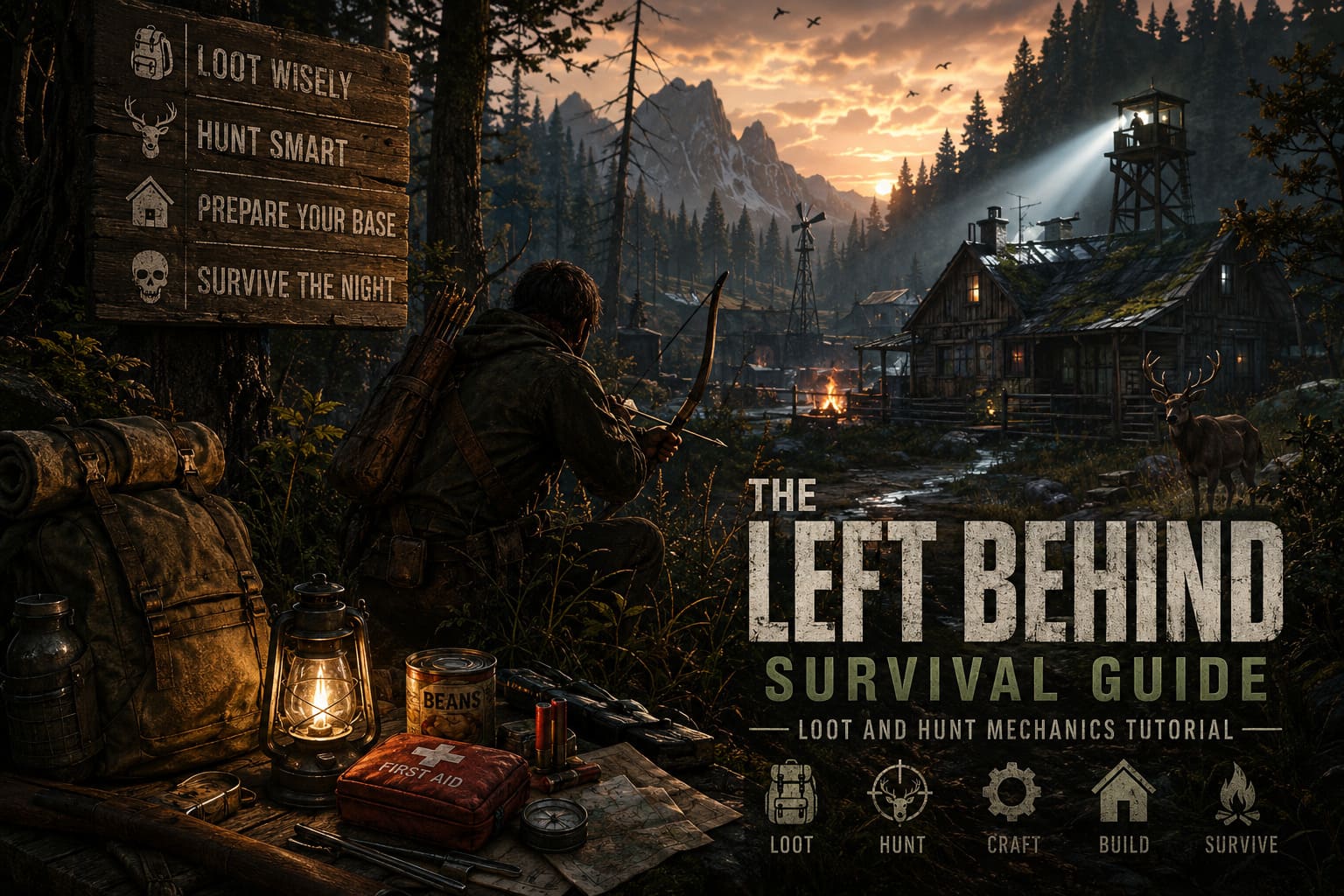
The Left Behind Survival Guide: Loot and Hunt Mechanics Tutorial (2026)
When I first launched The Left Behind, I expected another survival game where you spend hours punching trees, collecting random junk, and hoping for the best. Instead, I found a surprisingly tense experience that constantly rewards preparation and punishes careless decisions. It doesn’t waste time explaining every mechanic either. Within minutes, you’re dropped into a dangerous world where every decision matters.
That is honestly one of the reasons I’ve enjoyed it so much. Every trip outside your shelter feels meaningful because you know the night is coming, and if you make poor choices during the day, the game reminds you in the worst possible way.
If you’re just getting started, or you’ve survived a few nights but still feel like you’re barely hanging on, this guide covers the systems that made the biggest difference for me.
The Day Is Preparation, The Night Is the Exam
One thing The Left Behind teaches very quickly is that daytime isn’t for relaxing. It’s your only opportunity to prepare before everything becomes much more dangerous.
Every morning I normally ask myself three questions:
- Do I have enough food and water?
- Can I repair or improve my shelter today?
- Is there enough ammunition or medical supplies if tonight goes badly?
If one of those answers is “no,” that’s my priority.
Unlike many survival games where you can simply keep exploring after sunset, this game changes dramatically once darkness arrives. Enemies become far more aggressive, movement becomes riskier, and mistakes become much more expensive.
That constant pressure is what gives the game its identity.
Your Survival Stats Matter More Than You Think
Ignoring your survival bars might work during the first couple of days, but eventually they’ll become your biggest problem.
Here’s how I prioritize them.
| Survival Stat | Why It Matters | Personal Priority |
|---|---|---|
| Health | Keeps you alive during combat. | Always maintain healing supplies. |
| Hunger | Reduces stamina and overall effectiveness. | Never let it become critical. |
| Thirst | Drains surprisingly fast. | My highest daily priority. |
I actually found thirst to be the easiest stat to underestimate. Sprinting across the map while carrying heavy loot drains it much faster than expected, and low stamina during combat is often a death sentence.
Stop Picking Up Everything
One of the biggest beginner mistakes is trying to loot absolutely everything.
I did exactly that during my first few runs.
By the time I found valuable equipment, my backpack was already full of low-quality materials that weren’t worth carrying.
Eventually I realized something important:
Inventory space is one of the most valuable resources in the game.
Instead of grabbing every object you see, focus on items that provide immediate or long-term value.
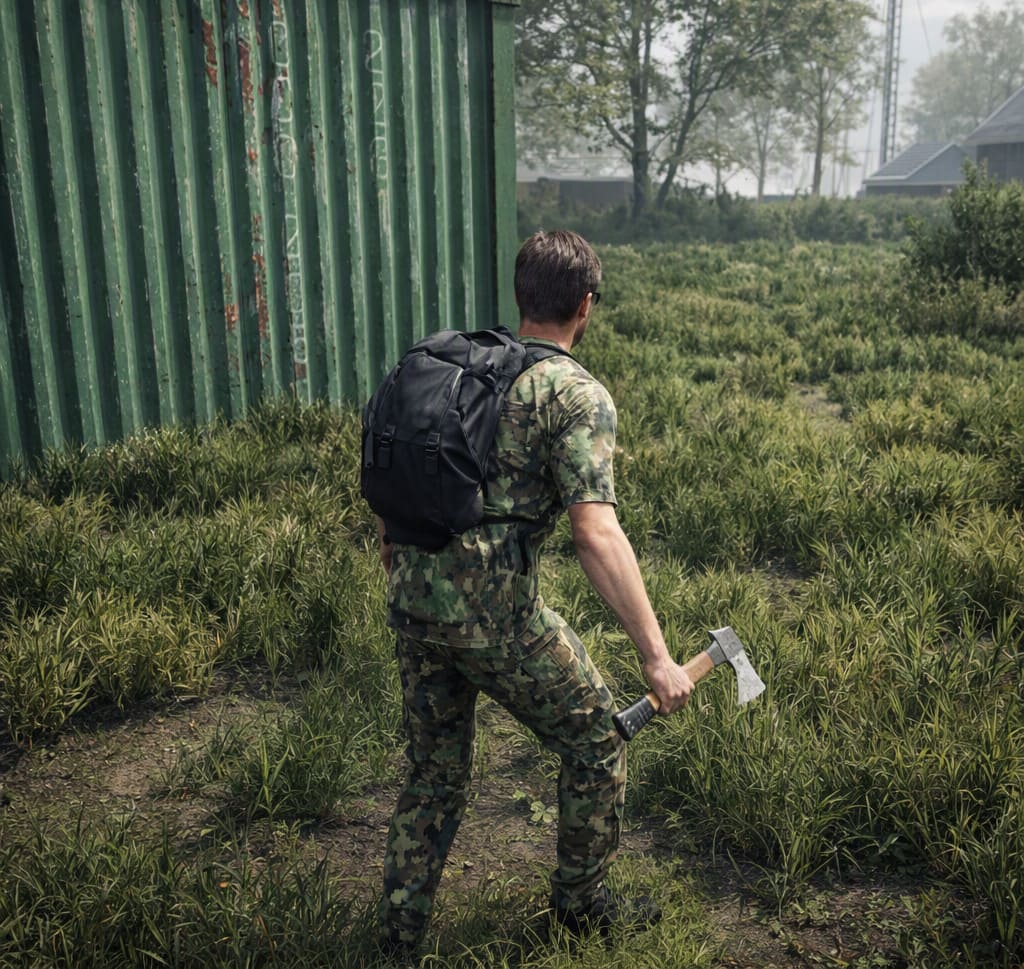
My Usual Loot Priorities
- Medical supplies
- Ammunition
- Electronics
- Rare crafting materials
- Weapon upgrades
- Food and clean water
Basic resources like wood or stone are easy to replace later, but advanced components often aren’t.
Once I changed my mindset, my progression became noticeably smoother.
Learn Which Buildings Are Worth Your Time
Not every location deserves a full search.
One thing I appreciate about The Left Behind is that buildings actually make sense. Their contents usually match their purpose, making exploration feel logical instead of random.
Here’s the pattern I’ve noticed.
| Location | Usually Worth Looking For |
|---|---|
| Residential Houses | Food, water, clothing, simple materials. |
| Medical Centers | Healing items, bandages, medicine. |
| Warehouses | Mechanical parts, electronics, tools. |
| Industrial Facilities | Crafting components and advanced equipment. |
Whenever I’m running low on healing supplies, I head directly toward medical buildings instead of wasting time checking random homes.
Planning routes like this saves both time and resources.
Don’t Be Afraid to Leave Loot Behind
This sounds strange in a survival game, but sometimes the smartest decision is walking away.
If your inventory is already full and you’re far from your shelter, carrying low-value materials usually isn’t worth the risk.
Instead, I constantly ask myself one question:
“Would I rather carry this…or leave room for something better?”
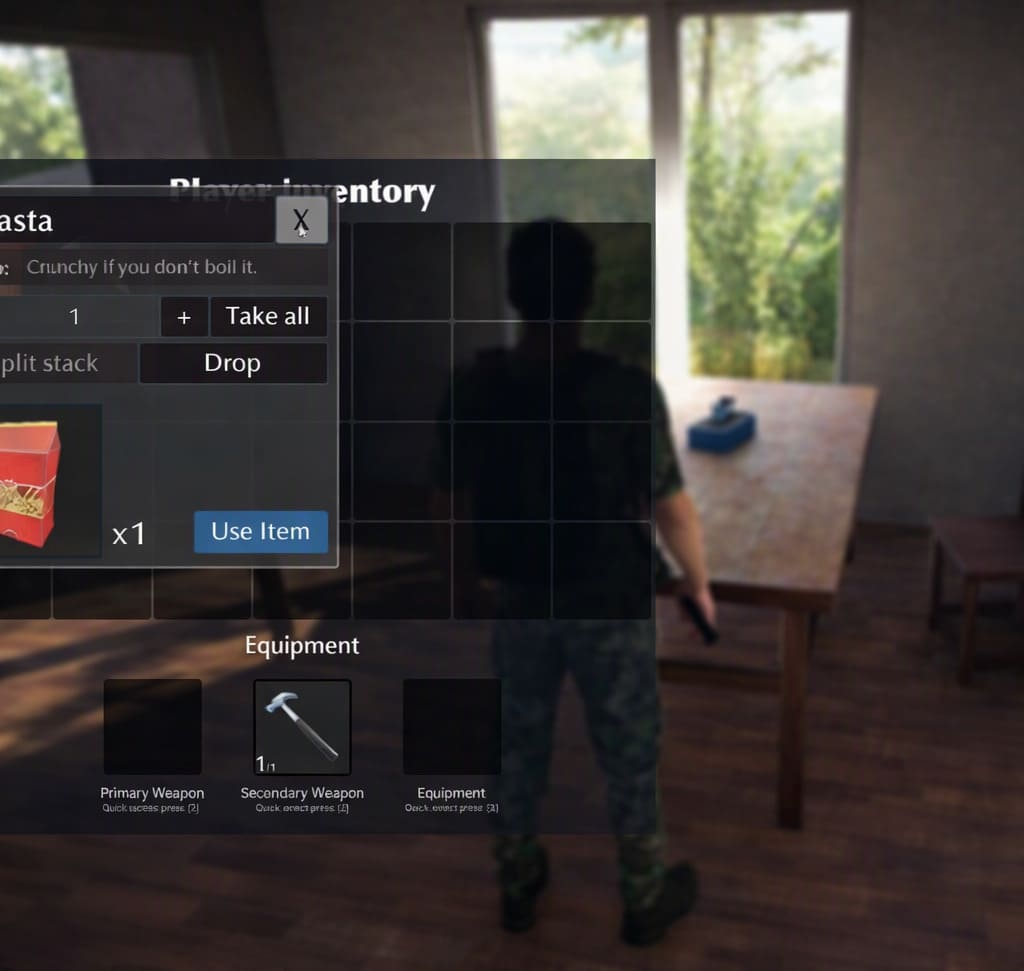
That simple habit has probably saved dozens of successful runs.
Hunting Is More Than Just Free Food
At first, I thought hunting existed mainly to replace canned food.
After spending more time with the game, I realized it’s actually one of the most important progression systems.
Animals provide:
- Fresh meat
- Crafting materials
- High-quality hides
- Resources for advanced equipment
If you ignore hunting completely, you’ll eventually struggle to craft stronger armor and specialized gear.
Slow Down and Let the Environment Help You
The wildlife isn’t blind.
Running through forests at full speed almost guarantees you’ll scare animals away before you even notice them.
Whenever I hunt, I slow everything down.
I’ll crouch through vegetation, pay attention to broken branches, disturbed ground, and other environmental clues before making my move.
It feels surprisingly immersive because you’re rewarded for observation instead of speed.
That slower pace is actually one of my favorite parts of the game.
Wind Direction Is a Hidden Mechanic You Should Respect
This mechanic caught me off guard.
Animals can detect your scent depending on your approach.
If you’re moving directly into the wind, there’s a good chance your target disappears before you ever get within shooting distance.
Approaching from downwind dramatically improves your chances of staying undetected.
It sounds like a small detail, but it makes hunting feel far more realistic than in many other survival titles.
Choosing the Right Weapon Matters
Not every hunt should end with the biggest gun you own.
Here’s how I usually decide.
| Weapon | Best Use | Biggest Advantage |
|---|---|---|
| Bow | Stealth hunting. | Quiet and preserves valuable hides. |
| Crossbow | Precision hunting. | Reliable damage with minimal noise. |
| Firearms | Dangerous predators. | Fast kills but attract unwanted attention. |
Personally, I use bows whenever possible.
Besides avoiding unnecessary noise, they often produce better crafting materials, which becomes increasingly important later in the game.
Firearms definitely have their place—but every gunshot feels like announcing your location to the entire region.
Never Wait Until Night to Prepare Your Base
If there’s one lesson I learned the hard way, it’s this:
Preparation always starts before sunset.
Trying to reinforce your shelter while enemies are already attacking almost never ends well.
Before darkness falls, I normally check:
- Barricades
- Entry points
- Trap placement
- Healing supplies
- Water reserves
- Ammunition
Those five minutes of preparation can easily determine whether you survive another night.
Noise Can Be More Dangerous Than Combat
The enemy AI reacts surprisingly well to sound.
Bright lights, unnecessary shooting, and careless movement can attract attention you’d rather avoid.
Some of my longest survival streaks actually came from avoiding fights instead of winning them.
Sometimes staying quiet is the strongest strategy available.
Never Empty Your Stamina Bar
This is another habit that completely changed how I approached combat.
It’s tempting to sprint everywhere or swing melee weapons until enemies fall.
The problem is that once your stamina reaches zero, you’re left incredibly vulnerable.
Now I always keep a small reserve.
That extra stamina has helped me escape ambushes far more often than another attack ever would.
Progression Feels Rewarding Because It Isn’t Rushed
One thing I genuinely appreciate about The Left Behind is how progression works.
You’re not simply grinding experience levels.
Instead, progress comes from:
- Exploring new regions.
- Finding rare resources.
- Surviving consecutive nights.
- Unlocking stronger blueprints.
- Expanding safe areas.
Every successful expedition feels earned rather than handed to you.
That slower progression gives every upgrade real value.
Explore Beyond Your Comfort Zone
Once you’re comfortable surviving early nights, don’t stay in the same safe areas forever.
The deeper regions usually contain:
- Better equipment.
- Stronger crafting materials.
- Rare blueprints.
- Valuable merchants.
- New hunting grounds.
Yes, the danger increases considerably.
But so do the rewards.
Some of my best discoveries happened only because I decided to push beyond the map areas I already knew.
If You’re Chasing High Scores
Players interested in climbing leaderboards should think beyond simple survival.
The biggest scores usually come from combining several objectives into a single expedition:
- Eliminate hostile camps during daylight.
- Return with valuable loot.
- Successfully defend your shelter overnight.
- Maintain a long survival streak.
- Avoid unnecessary deaths.
Playing efficiently often matters more than simply fighting everything you encounter.
The Left Behind Crafting Guide: Basic Recipes & How to Unlock New Areas (2026)
Final Thoughts
After spending a good amount of time with The Left Behind, I think its greatest strength is how every mechanic connects to another. Hunting supports crafting. Smart looting improves base building. Careful exploration makes nighttime survival much easier.
Nothing feels completely isolated, and that interconnected design is what keeps every day feeling meaningful.
If I could give one piece of advice to new players, it would be simple: don’t rush. Slow down, learn the map, choose your loot carefully, and always prepare for the next night before chasing one more building or one more fight.
The wasteland rewards patience far more than reckless bravery, and once you start playing with that mindset, surviving stops feeling like luck and starts feeling like skill.