The Left Behind Crafting Guide: Basic Recipes & How to Unlock New Areas (2026)
If there is one lesson I learned after spending dozens of hours in The Left Behind, it’s this: the game doesn’t reward players who rush. It rewards players who prepare.
At first I treated it like every other survival game. Grab everything, craft whatever looked useful, and run toward the next objective. That approach worked for maybe an hour before I found myself starving, carrying junk I didn’t need, and completely blocked by hazards I wasn’t equipped to handle.
The more I played, the more I realized that crafting isn’t just another system sitting in the menu—it is practically the entire progression system. Every new region, every valuable resource, and almost every major shortcut is connected to the gear you build beforehand.
This guide is based on extensive gameplay experience and the strategies that many dedicated players have been discussing throughout the community. Rather than listing recipes without context, I’ll explain what actually deserves your resources first and why certain upgrades matter far more than they initially appear.
Why Crafting Is More Important Than Combat
Many newcomers spend their first few hours focusing on weapons.
That feels natural.
But after several playthroughs, I honestly think your tools matter more than your guns.
A better axe means faster wood collection.
A better hammer means more mechanical parts.
A better pickaxe unlocks entirely new materials.
Every one of those eventually leads to stronger weapons anyway.
Think of crafting as building an economy rather than building equipment.
The faster your resource production grows, the easier everything else becomes.
Understanding the Three Crafting Systems
The Left Behind separates crafting into three stages, and knowing when each one becomes important helps avoid wasting valuable materials.
| Crafting Type | Purpose | Best Used For |
|---|---|---|
| Quick Craft | Portable crafting directly from your inventory. | Emergency healing items, torches, primitive weapons. |
| Workbench | Main crafting station. | Advanced tools, armor, firearms, and construction. |
| Specialized Stations | Late-game production. | Chemical compounds, metal alloys, explosives, and high-tier equipment. |
During the opening hours you’ll spend most of your time switching between Quick Craft and the Tier 1 Workbench, while specialized stations don’t become essential until much later.
Resources You Should Never Waste
One mistake almost everyone makes is carrying every resource they find.
I did exactly the same thing.
Eventually I realized I was constantly exhausted simply because my inventory was filled with heavy stone and metal.
Instead, I recommend following a simple priority system.
Always collect these resources first:
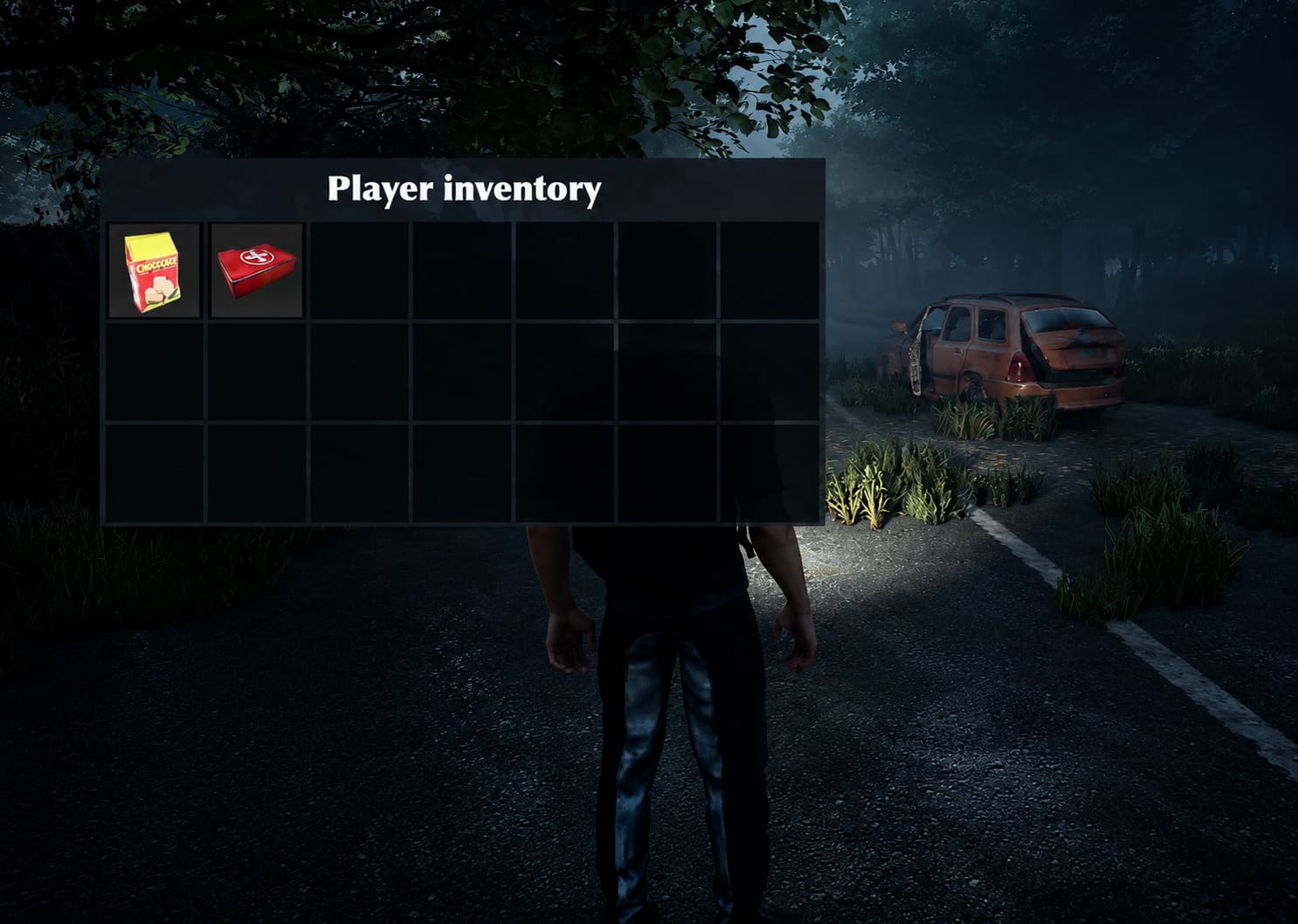
- Industrial Tape
- Clean Cloth
- Mechanical Components
- Scrap Metal
- Leather Strips
- Charcoal
Heavy materials like stone and timber are easy to replace later. Rare crafting components are not.
Another habit worth developing is converting raw materials whenever possible. Loose fibers become rope, scrap turns into refined parts, and your inventory stays organized during long expeditions.
Best Early Crafting Recipes
Not every blueprint deserves immediate attention.
These are the ones that made the biggest difference for me during the early game.
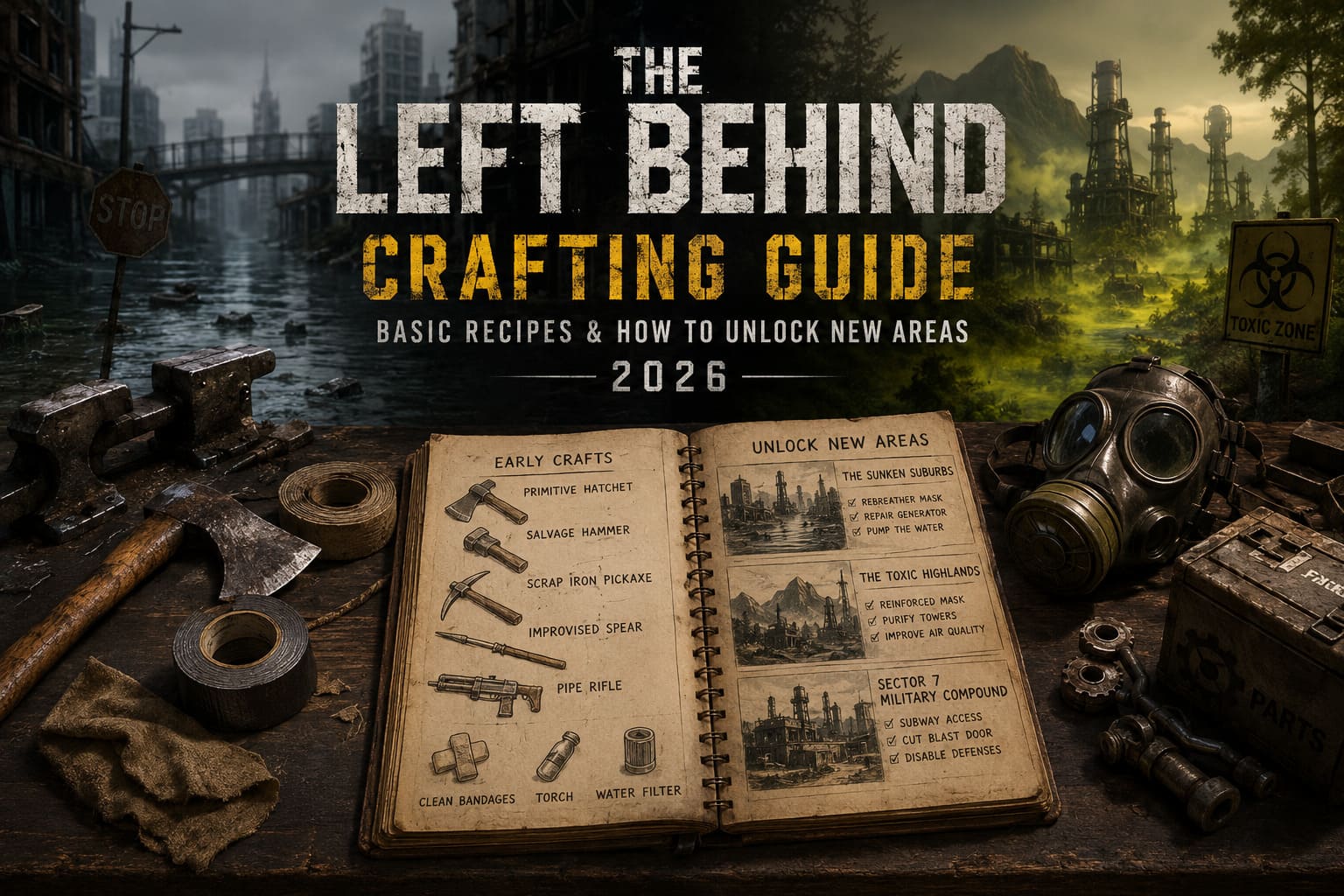
Primitive Hatchet
This should probably be your very first crafted tool.
Besides gathering wood, it gives you a reliable melee option until stronger weapons become available.
Without it, resource collection slows down dramatically.
Salvage Hammer
If I had to recommend only one workbench item, this would be it.
Furniture, abandoned machinery, damaged vehicles, and industrial equipment suddenly become treasure chests filled with components once you own this tool.
Those extra resources snowball into every future upgrade.
Scrap Iron Pickaxe
Iron, sulfur, and reinforced concrete all require proper mining equipment.
Crafting this early saves an incredible amount of time because you’ll never need to backtrack once richer resource zones become accessible.
Improvised Spear
Simple.
Cheap.
Reliable.
The extended reach keeps infected enemies away while allowing you to conserve healing supplies.
It’s surprisingly effective much longer than many players expect.
Pipe Rifle
Don’t expect military-grade performance.
Reloading is slow and ammunition isn’t exactly plentiful.
Still, its damage is high enough to remove dangerous enemies before they get close, especially during exploration of unfamiliar areas.
Essential Survival Items
These shouldn’t be ignored simply because they aren’t weapons.
Always carry:
- Clean Bandages
- Crude Torch
- Charcoal Water Filter
The water filter becomes especially valuable once exploration expands beyond the safer starting regions.
Progression Isn’t Locked by Levels
One thing I genuinely appreciate about The Left Behind is that progression feels physical rather than numerical.
Instead of reaching a certain level to unlock a mountain biome, you need to solve environmental problems.
That makes exploration feel far more rewarding.
Generally, obstacles fall into three categories.
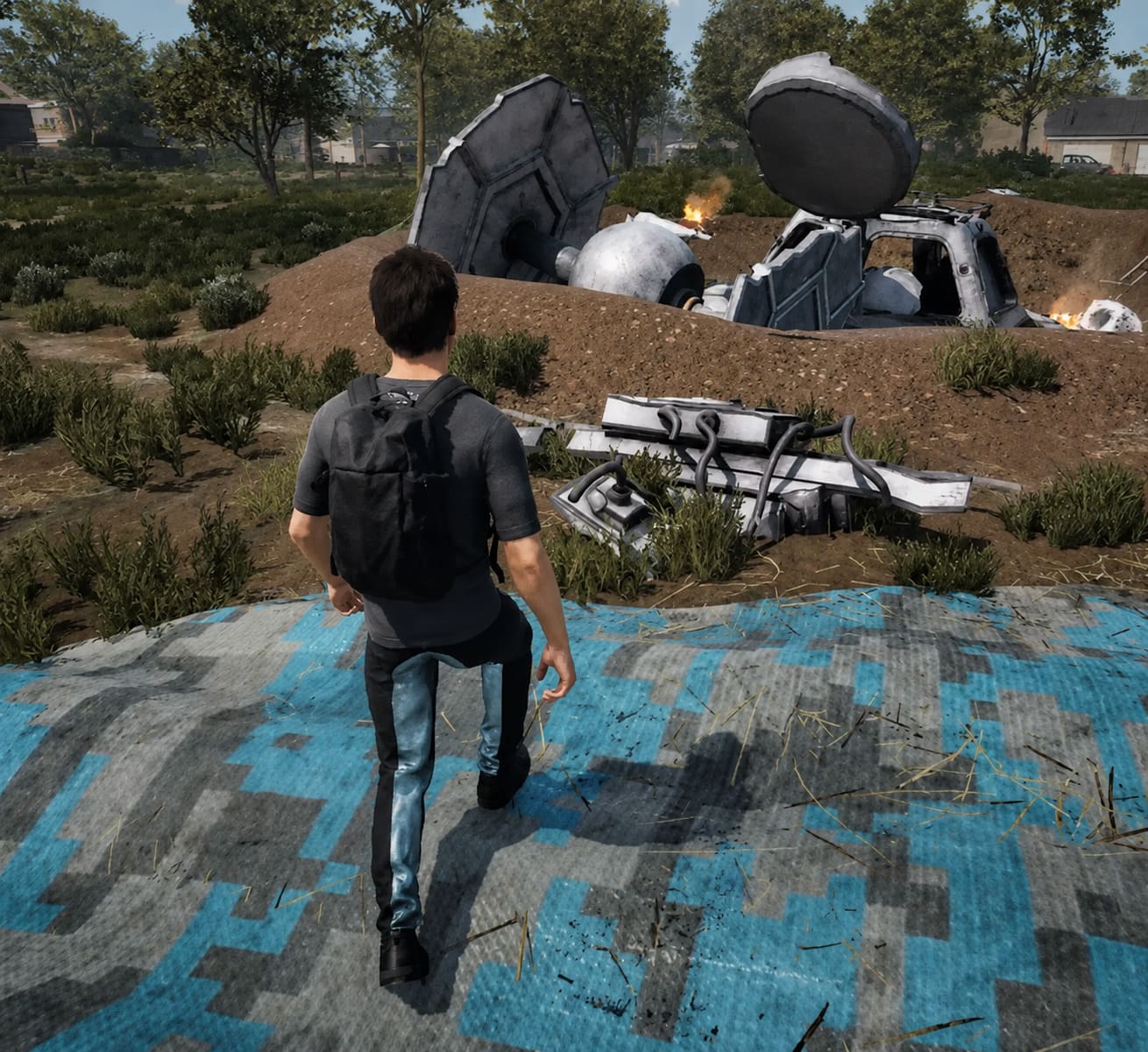
| Obstacle | Solution |
|---|---|
| Toxic environments | Protective equipment and upgraded filters. |
| Destroyed infrastructure | Specialized tools and repair materials. |
| Armed factions | Reputation, alternate routes, or stealth. |
Once you understand that pattern, the world suddenly starts making much more sense.
How to Unlock Every Major Region
The Sunken Suburbs
The flooded district looks intimidating at first, but the solution is actually straightforward.
Craft a Rebreather Mask, repair the drainage station’s backup generator, then activate the pumping system.
Doing so permanently lowers the water level, revealing hidden buildings, underground access points, and valuable medical supplies that were previously inaccessible.
It’s one of the most satisfying environmental changes in the game because the area genuinely transforms after your actions.
The Toxic Highlands
This region punishes players who underestimate preparation.
Upgrading the standard gas mask into the Reinforced Bio-Filter Mask is absolutely mandatory.
Even then, filters have limited durability, so wandering around aimlessly is a terrible idea.
Plan your route before entering.
Later, clearing the surrounding purification towers permanently improves air quality, making future farming runs dramatically easier.
Sector 7 Military Compound
This area teaches an important lesson.
Stop using the obvious entrance.
The heavily defended front gate is basically a trap.
Instead, head beneath the compound through the abandoned subway tunnel.
You’ll need an Acetylene Cutting Torch to breach the blast door, but once inside you can disable the electrical defenses from the control room.
After that, the military base becomes one of the best farming locations in the entire game.
Frozen Peaks
The northern mountains are less about combat and more about survival.
A proper Winter Thermal Coat is essential before crossing into the snow.
Food consumption also increases significantly because your character burns calories simply staying warm.
Portable heating stoves become lifesavers during blizzards, especially if you’re carrying valuable loot and don’t want to risk freezing halfway back to camp.
Small Tips That Saved Me Hours
These aren’t complicated mechanics, but they made a noticeable difference over time.
- Repair tools before they completely break. Repairs cost far fewer materials than building replacements.
- Explore garages and office buildings carefully. Some blueprints never appear through normal progression.
- Use smoke bombs instead of fighting everything. Sometimes avoiding combat is simply smarter.
- Return for resource nodes later. Common materials regenerate much sooner than high-value military containers.
- Travel light. Extra inventory weight quietly slows almost every activity in the game.
Ragnarok: The New World Fast Leveling Guide 1-60 (2026 Grind Blueprint)
Common Beginner Mistakes
The community keeps repeating the same advice because so many players make identical errors.
Avoid these mistakes:
- Ignoring durability until equipment breaks.
- Carrying every heavy resource you find.
- Entering hazardous zones “just to look around.”
- Using rare crafting materials on unnecessary upgrades.
- Assuming stronger weapons solve every problem.
Good preparation usually beats expensive equipment.
Final Thoughts
After spending a lot of time with The Left Behind, I think its crafting system is easily one of the strongest parts of the entire experience.
It doesn’t overwhelm players with hundreds of meaningless recipes. Almost every important blueprint serves a purpose, whether it’s unlocking a new region, improving resource efficiency, or making future expeditions safer.
My biggest recommendation is simple: invest in your tools before chasing powerful weapons.
The payoff is enormous.
Once your resource gathering becomes efficient, every other part of the game starts falling into place naturally. New areas become easier to access, crafting costs stop feeling overwhelming, and exploration becomes far more enjoyable because you’re prepared for whatever the world throws at you.
Take your time, repair your equipment regularly, stock extra filters before entering dangerous regions, and never ignore an abandoned workshop—you never know which blueprint might completely change your next twenty hours of survival.