The Real History of Where Winds Meet: Exploring the Ten Kingdoms Period, All Sects List 2026
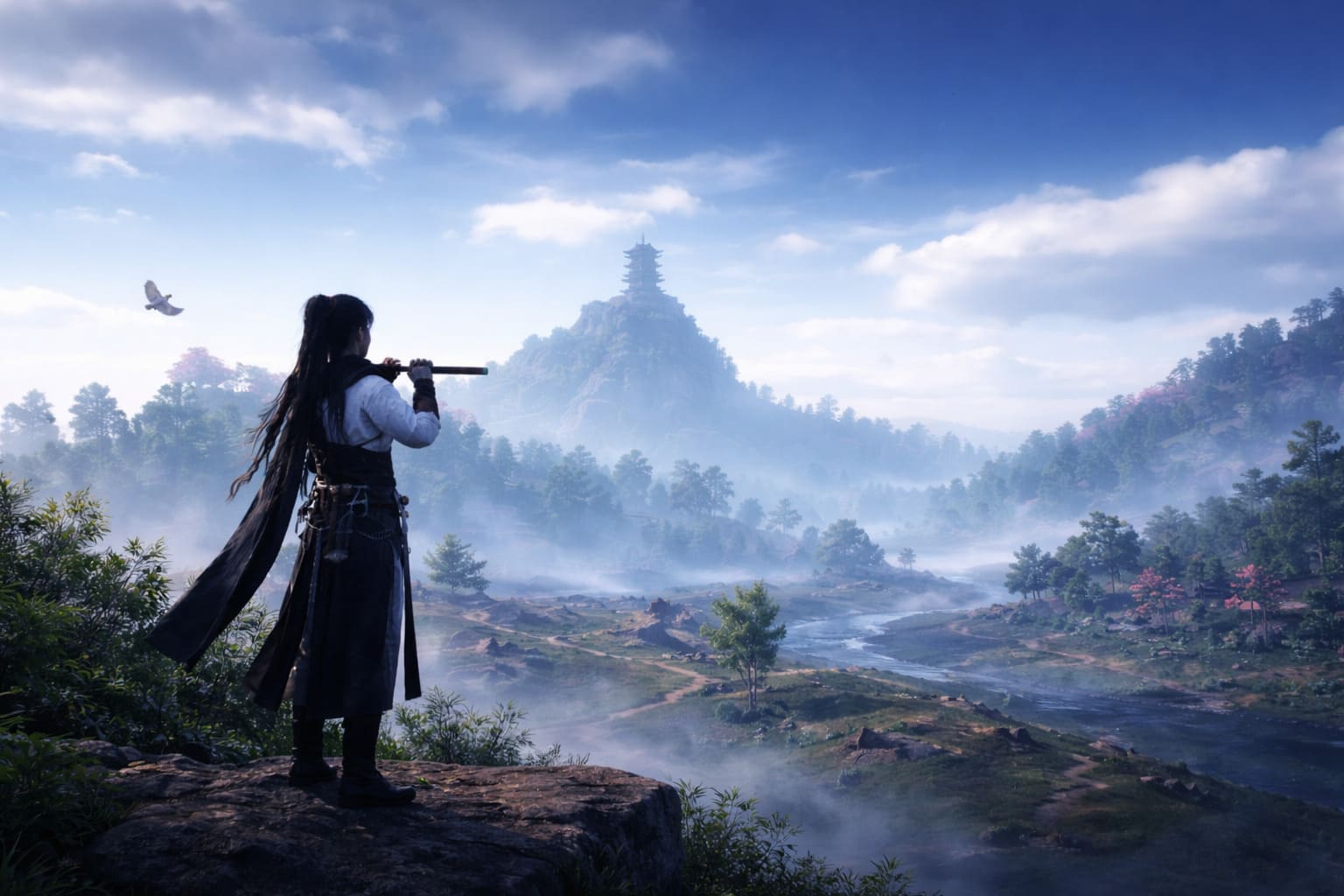
There’s something different about Where Winds Meet. Not just the fluid combat. Not just the cinematic Wuxia duels. It’s the feeling of walking through a world that’s already half-gone.
Most open-world RPGs build their identity around stable kingdoms, ancient prophecies, or looming dark lords. But Where Winds Meet dares to drop you into one of the most unstable and transformative eras in Chinese history: the Five Dynasties and Ten Kingdoms period (907–979 AD). And honestly, that choice is genius.
A World After the Fall
To understand the mood of the game, you have to understand what came before.
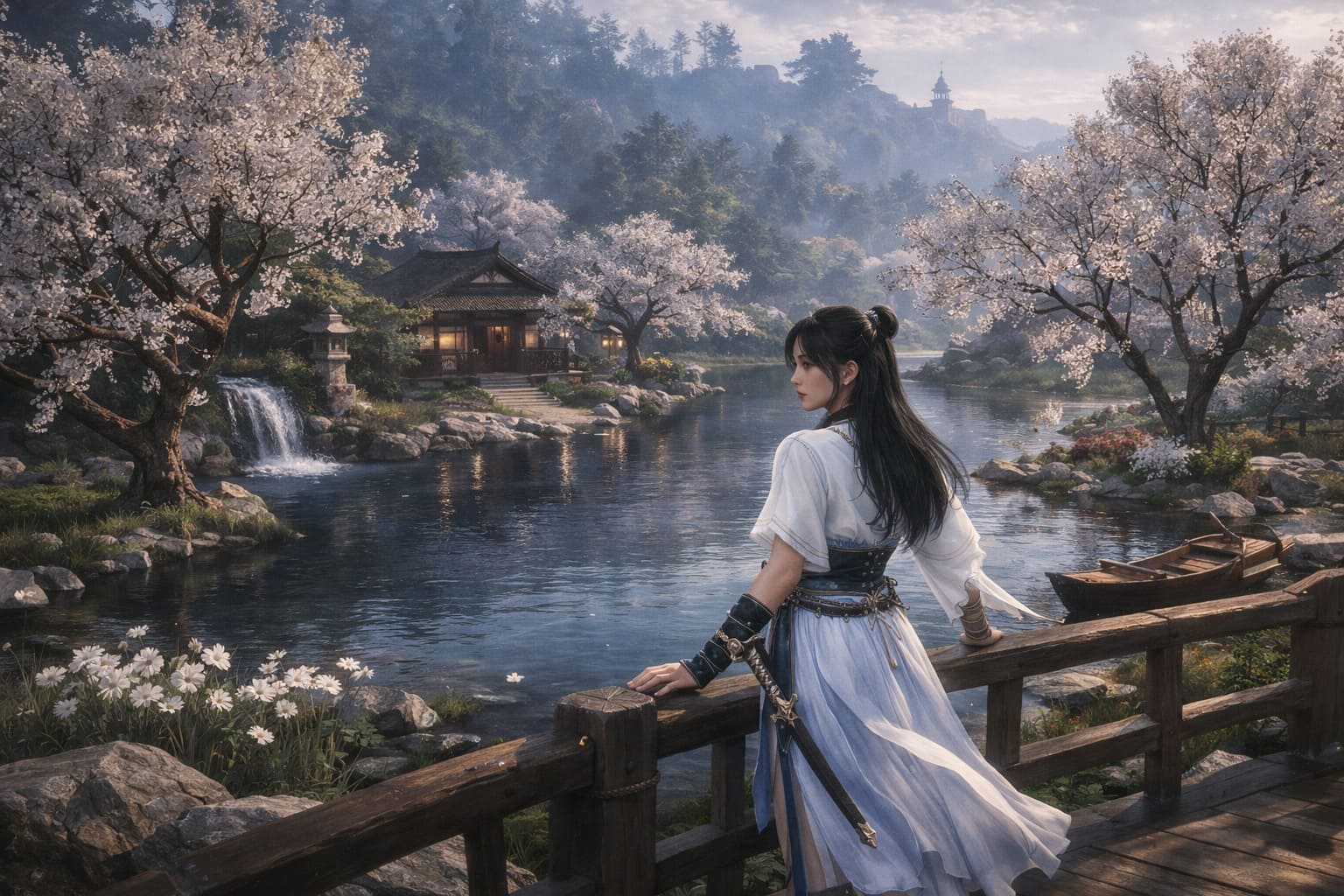
The mighty Tang Dynasty collapsed in 907 AD. Imagine Rome falling — but instead of one successor state, you get constant regime changes in the north and independent kingdoms carving up the south.
China fractured into:
- Five short-lived dynasties in the north
- Ten rival kingdoms in the south and west
- Endless wars, betrayals, and shifting loyalties
This wasn’t just chaos. It was opportunity.
In a world without a strong emperor, identity became fluid. A farmer could become a general. A poet could become a ruler. A wanderer could become a legend. That’s pure Wuxia fuel.
The Shadow of Unification
The game takes place during the twilight of this fractured era — just as the Northern Song Dynasty begins rising.
And here’s where things get emotionally interesting.
The Northern Song wasn’t just another state. It had a mission: reunify everything.
That means the southern kingdoms — like Southern Tang and Wuyue — weren’t just rivals. They were ticking clocks.
When you explore abandoned temples and fading courts in Where Winds Meet, you’re not just seeing environmental design. You’re witnessing cultures on the brink of extinction. That melancholic tone is historically earned.
Where Winds Meet Lore: Aunt Han’s Dark Past & Uncle Jiang’s Secret Stance
The Poet-King and the Soul of the Era
One historical figure perfectly captures the spirit of the time: Li Yu.
He was the last ruler of Southern Tang — and a brilliant poet. A tragic one.
Captured by the Song, stripped of power, he wrote some of the most haunting poetry in Chinese history. His verses are full of regret, longing, and lost kingdoms.
When Where Winds Meet leans into the “sword and flute” aesthetic — the warrior who is also an artist — it feels less like fantasy and more like a tribute to people like Li Yu. In this era, poetry and bloodshed coexisted.
Why This Era Is Perfect for a Wuxia RPG
If you love story-driven open-world RPGs with identity choices, this period is basically a dream setting.
Here’s why:
- Weak central authority → Martial sects and wandering swordsmen thrive
- Constant warfare → Mercenary groups and elite guards emerge
- Social mobility → Reinvention becomes survival
- Technological innovation → Early gunpowder and printing reshape society
The “Jianghu” fantasy — hidden masters, secret techniques, lightness skills — feels believable here because the state wasn’t strong enough to control everything. When the world is unstable, legends fill the gaps.
Historical Reality vs. Stylish Myth
Let’s be clear: you can run on water in the game. You can defy gravity. That’s not historical.
But the architecture, Hanfu clothing, court etiquette, and shifting cultural atmosphere are deeply rooted in research.
One of the most fascinating transitions during this time was the shift from a militarized survival society to the refined bureaucratic culture of the Song.
| Aspect | Late Ten Kingdoms | Early Song |
|---|---|---|
| Political Structure | Fragmented war states | Centralized imperial rule |
| Social Mobility | Fluid and volatile | Institutionalized civil exams |
| Culture | Regional courts, poetic decline | Scholarly refinement |
| Warfare | Mercenary and elite guards | Organized state military |
Where Winds Meet drops you right at that turning point. You’re not just fighting bandits. You’re walking through the birth of a new civilization.
The North vs. The South – And You in Between
The historical tension mirrors the emotional one.
- The North: Cold, disciplined, militaristic, unifying
- The South: Wealthy, artistic, regionally proud — and doomed
- The Player: A wanderer moving between fading worlds
That’s what makes the game feel poetic rather than just epic. You are the wind between collapsing kingdoms.
Why Western Gamers Are Paying Attention
There’s a real sense of open world fatigue in Western fantasy settings right now. Castles, dragons, grimdark politics — we’ve seen it.
But when a game dives deep into a specific historical era like the Ten Kingdoms period, it feels fresh.
We’ve seen this hunger before. Ghost of Tsushima proved that culturally grounded worlds resonate. Black Myth: Wukong showed that Chinese myth and history can captivate global audiences.
Where Winds Meet isn’t copying that formula. It’s going even deeper into history. And that authenticity is what sparks long Reddit threads and forum debates.
Where Winds Meet Sects in 2026: My Honest Breakdown of Every Faction, Martial Art & Hidden Rule
If you’re starting Where Winds Meet in 2026, let me say this upfront: your sect choice will define your entire Jianghu story.
Yes, technically you can roam the world as a sectless wanderer. But the truth? You’ll miss out on signature martial arts, faction-exclusive weapons, and some of the most interesting social systems in the game.
After spending way too many late nights testing builds, switching allegiances, and regretting some questionable PvP decisions, here’s my personal breakdown of every sect currently available — what they feel like to play, not just what they say on paper.
Well of Heaven – The Classic Hero Fantasy
If you want to feel like the protagonist of a traditional wuxia epic, this is your home.
Vibe: Righteous, honorable, disciplined
Signature Weapon: Thundercry Blade
Playstyle: Fast, reactive, defensive-counter combat
The Well of Heaven rewards players who genuinely roleplay a hero. Help NPCs. Protect weaker players. Don’t hoard wealth like a villain.
What I love here:
- Clean, lightning-fast swordplay
- Defensive skills like Predator’s Shield that actually feel impactful
- Strong reputation mechanics
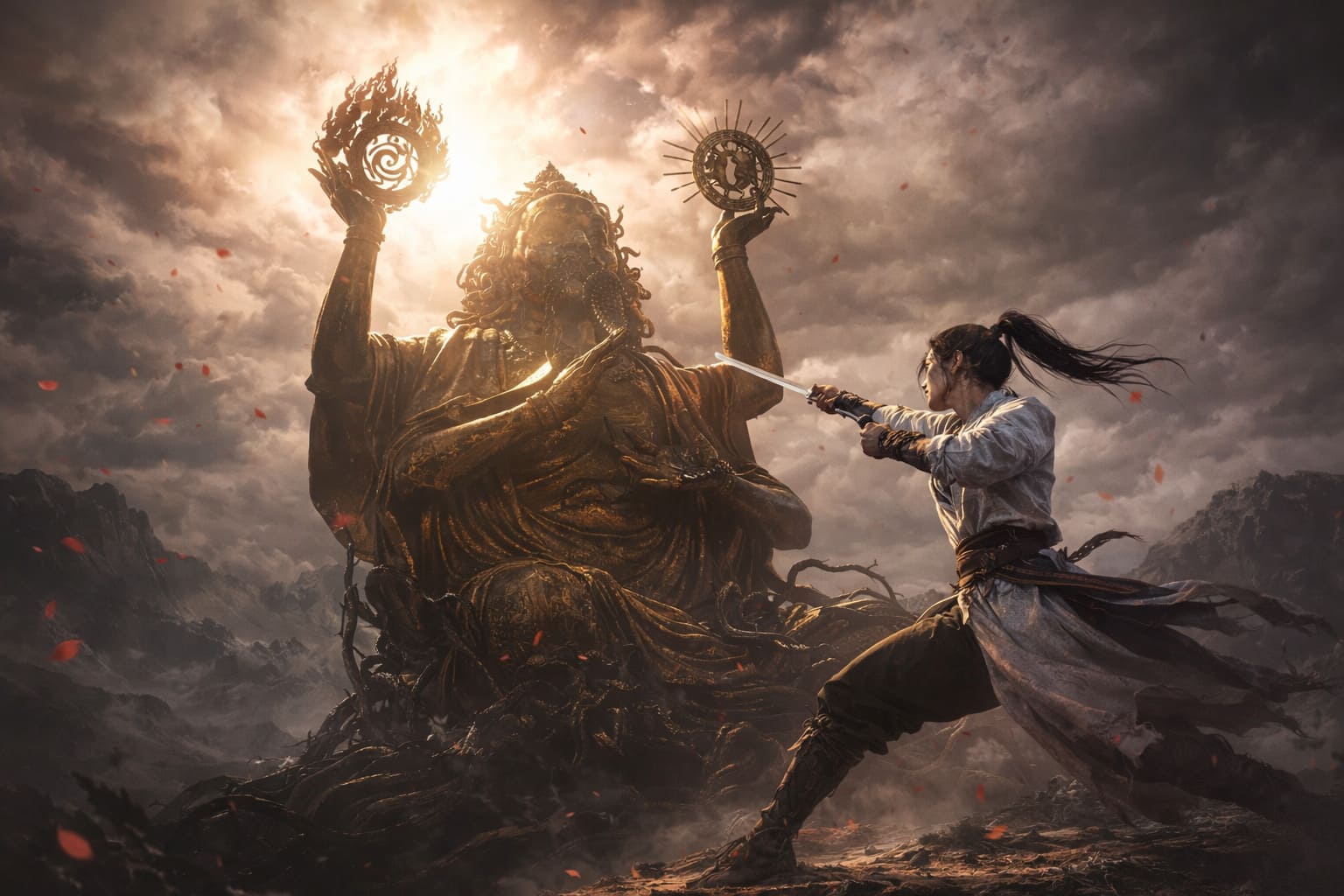
What you should know: If your morality is questionable, the sect will notice. And joining becomes harder if your record isn’t clean.
Cairn Tenzen Tutorial Walkthrough: Master the Climb on Mt. Kami
Midnight Blades – High Risk, High Drama
This is the PvP adrenaline faction.
Vibe: Ruthless, chaotic, aggressive
Signature Weapon: Infernal Twinblades
Core Mechanic: Karma theft
Midnight Blades turns the game into a hunting ground. You gain power by taking it from others — but if you die, you lose Karma.
Pros:
- Extremely satisfying burst damage
- Fast combo chains like Heaven’s Wraith
- True predator fantasy
Cons:
- You will make enemies
- You will be hunted
- You will rage at least once
This is not a casual sect. It’s a commitment to danger.
Nine Mortal Ways – The Trickster’s Playground
Probably the most creative faction in the game.
Vibe: Mischievous, unpredictable, social
Signature Weapon: Mortal Rope Dart
Unique System: Fun Points
This sect rewards disguises, pranks, and deception. It’s less about raw damage and more about control, crowd manipulation, and confusion.
Why I recommend it:
- Stealth-focused gameplay
- Long-range crowd control
- Incredible for social chaos in cities
If you enjoy outsmarting people instead of overpowering them, this is your playground.
Silver Needle – The Underrated MVP
Support players, this is your throne.
Vibe: Calm, intelligent, essential
Weapons: Inkwell Fan & Panacea Fan
Focus: Healing + pressure-point combat
Silver Needle players keep wars alive — literally.
You’ll:
- Heal allies in large-scale battles
- Use acupuncture-style debuffs
- Build reputation through medical excellence
It’s not flashy, but in group content? Absolutely invaluable.
Velvet Shade – Beauty & Chaos
One of the most socially active sects.
Vibe: Artistic, indulgent, theatrical
Signature Weapon: Soulshade Umbrella
System: “Full Bloom” social bonuses
This is the faction where combat looks like a dance. Petal effects, flowing movements, AoE elegance.
But here’s the twist: You must stay socially active. Drinking, events, companionship — they all matter mechanically.
It’s perfect for players who enjoy immersion and social systems as much as combat.
Hollow Vale – Life, Death & Moral Gray Zones
The most philosophically interesting faction.
Core Idea: Balance everything
Weapon Variant: Soulshade Umbrella (poison-focused)
You heal. You poison. You restore balance.
Hidden rule that many overlook: You cannot create “living puppets,” and every life saved must be balanced by death or toxin use.
It’s complex, morally tense, and mechanically flexible.
Raging Tides – Pure Battlefield Power
If you want straightforward, powerful combat — this is it.
Weapon: Heavenquaker Spear
Style: Impact-heavy martial arts
Big hits. Big impact. Battlefield presence.
Less political drama. More direct combat dominance.
Late-Game & Regional Factions (Server-Dependent)
Some factions unlock later depending on world progression.
| Faction | Focus | Playstyle Flavor |
|---|---|---|
| Lone Cloud | Discipline & trick-sword techniques | Precision duelist |
| Mohist Hill | Gadgets & inventions | Tactical trap-based |
| Inkbound Order | Scholarly arts & calligraphy | Defensive control |
| Masked Troupe | Performance combat | Sound & confusion-based |
How Switching Sects Really Works
You can leave your sect at any time.
But:
- There’s usually a 24-hour cooldown
- Your old reputation doesn’t transfer
- Some sects require requalification
Switching is possible — but it’s not something you should treat lightly.
My Personal Take: Which Sect Is Best?
As someone who loves games that respect their worlds, I find this setting incredibly refreshing.
The Ten Kingdoms period wasn’t just chaotic. It was transformational.
It was a time when empires died, identities shifted, art and war intertwined, and the future was uncertain.
Where Winds Meet captures that uncertainty beautifully. You’re not saving a kingdom. You’re wandering through its last breath. And honestly, that feels more powerful than any prophecy.
There isn’t a universal “best” sect in Where Winds Meet.
It depends on what kind of Jianghu story you want to live.
- Want honor? → Well of Heaven
- Want danger? → Midnight Blades
- Want creativity? → Nine Mortal Ways
- Want impact in group content? → Silver Needle
- Want immersion & aesthetics? → Velvet Shade
- Want moral complexity? → Hollow Vale
- Want raw battlefield power? → Raging Tides
What makes Where Winds Meet 2026 special is that sects aren’t just skill trees. They’re identities.
And once you choose one, the world reacts to you differently.
That’s what makes the decision matter.
If you tell me your preferred playstyle — PvP, PvE, support, stealth, or roleplay-heavy — I’ll help you pick the sect that fits you best.