Nested Lands vs Medieval Dynasty Comparison + Balder Quest Walkthrough
Nested Lands doesn’t ease you in—it throws you overboard and watches you crawl back to life. The opening questline, often referred to as Beginning of the End, is one of the most unapologetically brutal introductions I’ve played in a survival RPG in years.
From the first breath you take on the shores of Norovellir’s North Plains, the game makes one thing clear: this is not a power fantasy. This is endurance.
Midnight pre-patch gear up event and Devourer Demon Hunter rotation guide
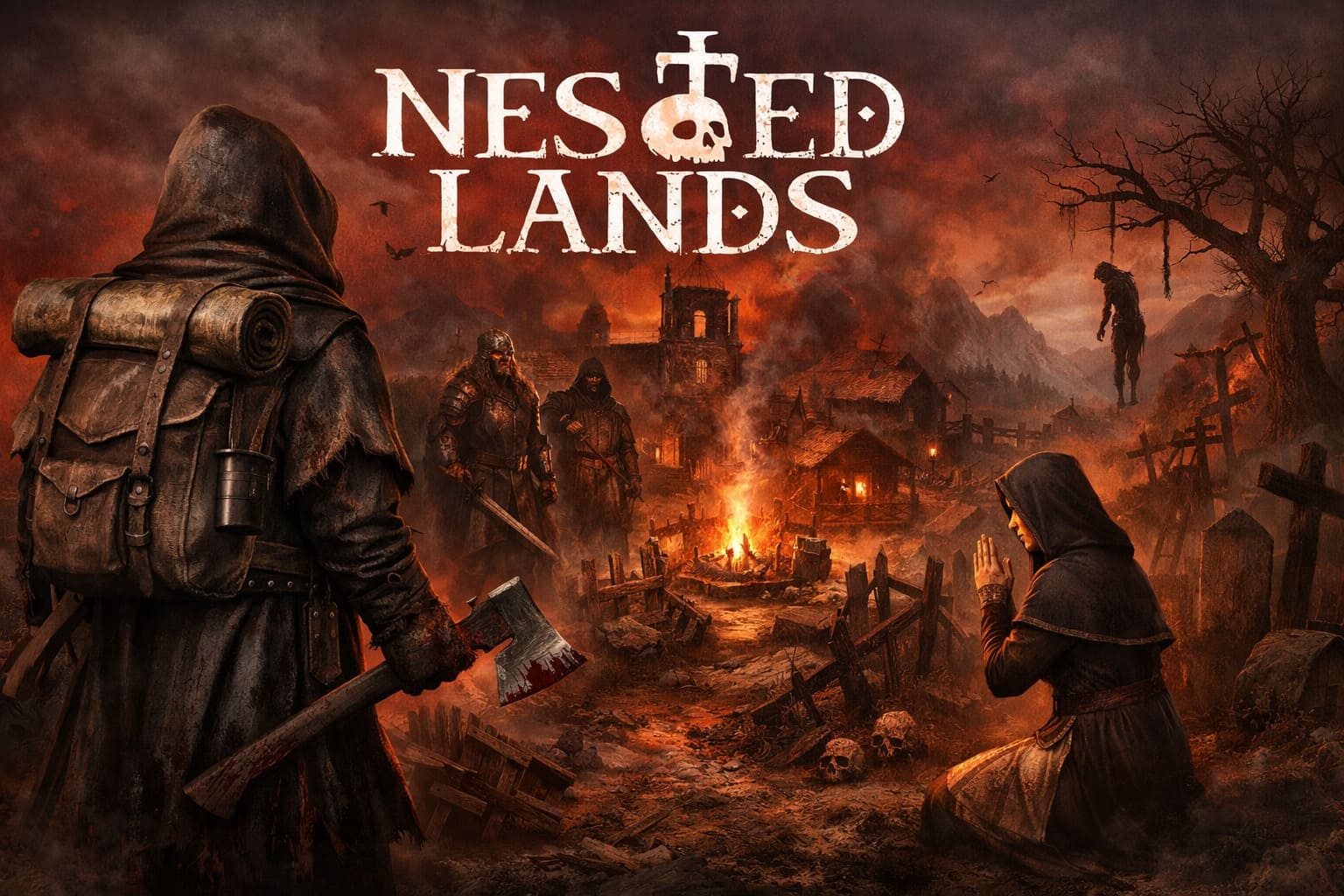
You wake up shipwrecked, half-dead, staring at the cold coastline. Your gear is scattered, your health is low, and the world already feels hostile. The first objective is simple but tense: recover your belongings. Scrambling along the beach for your items feels less like a tutorial and more like a desperate salvage operation. Once you throw on the Simple Tunic and gulp down whatever scraps of food and water you can find, you stabilize just enough to move forward.
That’s when you meet Balder. He doesn’t coddle you. He doesn’t rescue you. He gives you direction—and a harsh reality check. The “new hell” your parents dreamed of colonizing? It’s very real, and you’re already behind.
Healing Before Heroics
Balder refuses to progress the quest until you stop looking like a walking corpse. And honestly, fair. The healing phase is where Nested Lands survival mechanics start to shine.
- Gather Cotton and Plant Fiber from nearby foliage.
- Craft Bandages in the crafting menu and use them immediately.
- Collect Logs and Stones to prepare for tool crafting.
This section teaches you the golden rule of the game: preparation beats bravado. You’re not meant to rush forward swinging wildly. You’re meant to scavenge, stabilize, and think.
Breaking Through: Your First Real Test
The barricaded gate blocking access to the mainland is more than a physical obstacle—it’s a design statement. To move forward, you craft a Stone Axe from the materials you’ve gathered. When you smash through that wooden barrier, you’re not just progressing a quest; you’re learning how environmental destruction and combat are intertwined.
Early combat is raw and weighty. Most low-level bandits go down in three or four solid hits with the Stone Axe. If they don’t, double-check your positioning—or whether you’ve wandered into an area that’s way above your pay grade. The game doesn’t scale to your ego.
As you follow Balder further inland, you’ll glimpse your first Plague Site. Consider it a warning shot. Early exposure to infection without medical infrastructure can end your run quickly. The plague system isn’t cosmetic—it’s a core survival pressure.
From Survivor to Founder: Building Your First Settlement
Eventually, Balder guides you to a suitable location for establishing your first settlement. This is where Nested Lands base building and village management systems begin to unfold.
You’re sent to scavenge Balder’s old house for blueprints and essentials like Nails. Pro tip: Nails are an early bottleneck. If you feel stalled, it’s not bad luck—it’s intentional progression design nudging you toward infrastructure planning.
Constructing the Village Center requires a serious haul:
- Wooden Logs
- Fiber Rope
- Wood Pieces
Once completed, the Village Center unlocks storage and management systems that fundamentally change the gameplay loop. You’re no longer just surviving—you’re organizing. After that, placing Traveler’s Tents and Villagers’ Houses allows you to recruit survivors and slowly transform chaos into structure.
What I’d Do Differently (And What You Should Know)
After replaying this opening a couple of times, here are a few hard-earned insights:
- Build an Apothecary early. Immunity management is more important than fancy clothing. A sick villager is a liability.
- Explore carefully. The map doesn’t reveal everything by default, and quest markers can be slightly deceptive.
- Don’t rush Plague Sites. They’re long-term objectives, not early-game playgrounds.
Core Systems Introduced in the Balder Questline
| System | What It Teaches | Why It Matters Long-Term |
|---|---|---|
| Scavenging | Item recovery and inventory awareness | Resource optimization defines mid-game success |
| Crafting | Bandages, Stone Axe, basic tools | Foundation for all progression paths |
| Environmental Destruction | Breaking gates and barriers | Unlocks exploration and tactical options |
| Plague Mechanics | Infection risk management | Forces infrastructure planning |
| Village Management | Settlement building and recruitment | Transitions gameplay into strategy layer |
Medieval Dynasty vs Nested Lands: Cozy Kingdom or Plague-Ravaged Survival?
Medieval Dynasty and Nested Lands sit on the same medieval life-sim branch, but they grow in completely different directions. As someone who has sunk embarrassing amounts of hours into survival sandboxes, I can tell you this straight: one is a slow-burning village dream, the other is a desperate fight against collapse. If you’re searching for the best medieval survival game in 2026, this is the real comparison you need.
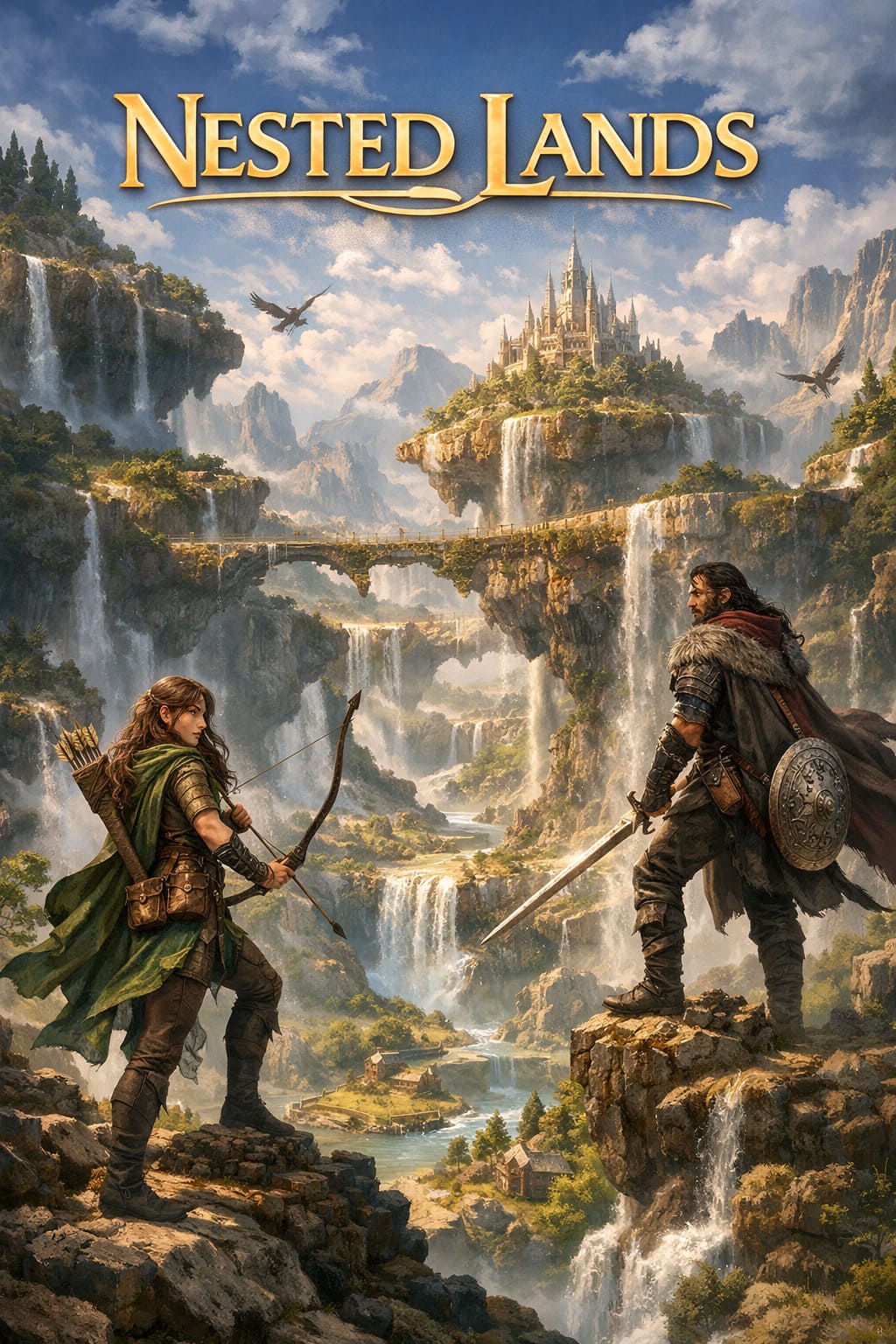
Two Philosophies: Romantic Middle Ages vs Brutal Post-Plague Reality
Medieval Dynasty feels like a historical comfort blanket. You start with nothing but a few sticks and a dream, and over dozens of hours you build not just a settlement, but a legacy. The forests are lush, the rivers are calm, and the biggest early threat is whether you stored enough cabbage for winter. It’s survival, yes—but survival with hope.
Nested Lands throws that comfort out the window. The world is rotting. Plague has ripped through civilization, and you’re not building a cute farming village—you’re clawing together a fortified refuge in a dying land. Ruins dominate the landscape. Infection isn’t a background detail; it’s a mechanic breathing down your neck. The tone is darker, heavier, and far more intense.
Dynasty System vs Survivor Settlement
The defining feature of Medieval Dynasty is right in the name. You marry. You have a child. You age. Eventually, you die—and continue playing as your heir. That generational loop is incredibly satisfying. Every barn, orchard, and smithy you build matters decades later. It’s long-term strategy wrapped in a personal story.
Nested Lands flips that idea on its head. There’s no biological dynasty system. Your “legacy” is your community. You recruit survivors instead of raising children. It feels less like a family chronicle and more like a medieval version of a survival colony sim. The emotional investment shifts from bloodline to collective endurance.
- Medieval Dynasty: Family-based progression, heir system, long-term generational planning.
- Nested Lands: Recruitment-based growth, faction-style development, survival-first mentality.
Settlement Management: Detailed Life Sim vs Survival Logistics
If you love micromanagement, Medieval Dynasty is your playground. Every villager has skills. You assign jobs based on talents in farming, hunting, crafting, or extraction. Happiness matters. Housing quality matters. Production chains matter. It’s methodical and deeply satisfying for players who enjoy optimization.
Nested Lands seems more focused on macro survival systems. The complexity isn’t in tracking whether Tomas the woodcutter gained +1 Extraction. It’s in managing:
- Plague control and infection spread.
- Fortifications and defense against constant threats.
- Resource scarcity in a hostile world.
You’re not building a picturesque town—you’re building a fortress that must survive the night.
Combat: Optional Tool or Core Identity?
Combat in Medieval Dynasty works, but it’s not the star of the show. You can hunt, fend off bandits, and enable raids, but the game doesn’t push you toward violence. It’s fundamentally an economy and life-simulation experience.
Nested Lands makes combat central. Infected enemies, harsher encounters, and stronger emphasis on gear progression turn it into a true action-survival RPG. Defense isn’t optional flavor—it’s essential. If you enjoy tension, risk, and meaningful danger, this difference is massive.
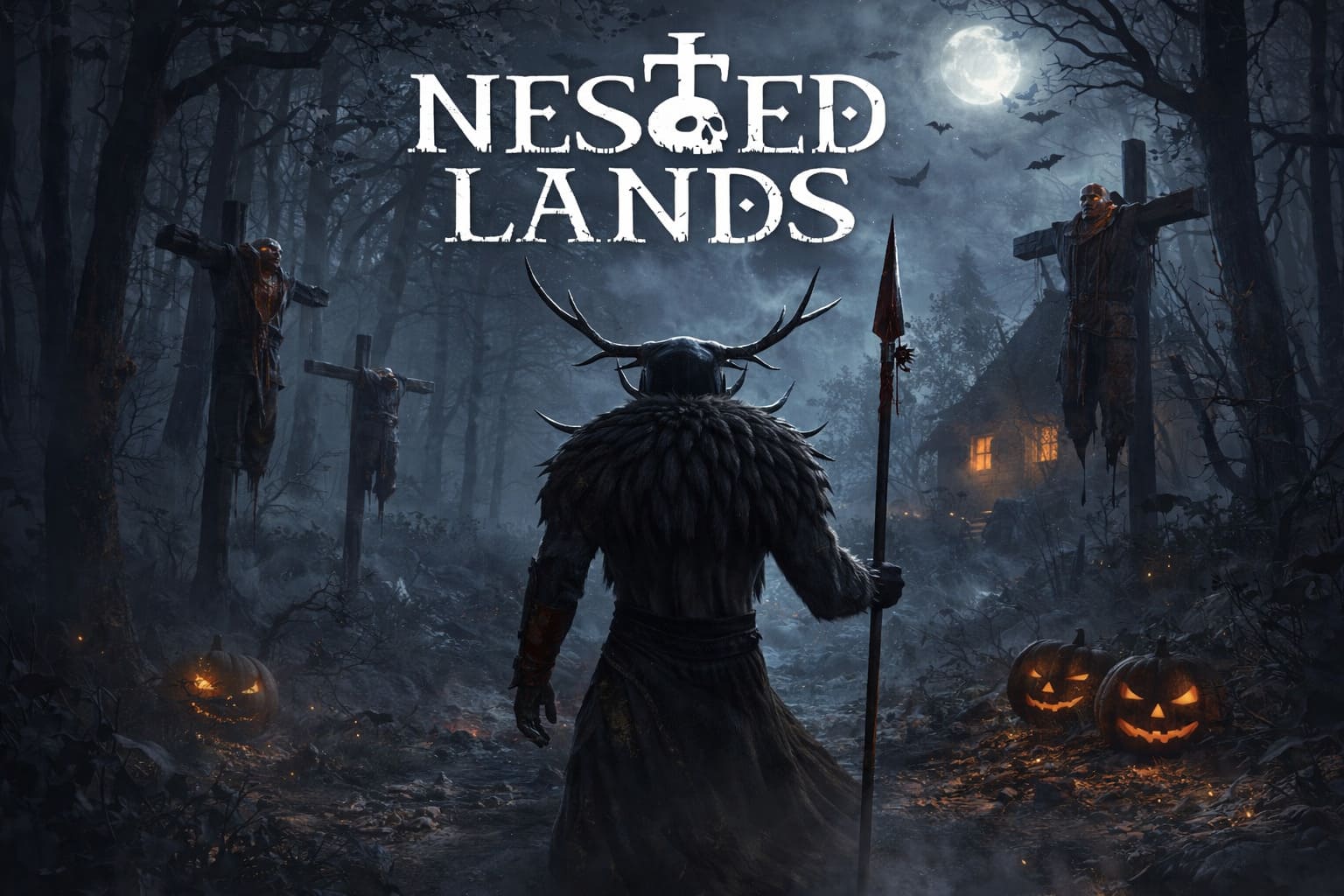
Visual Direction and Atmosphere
| Element | Medieval Dynasty | Nested Lands |
|---|---|---|
| World Tone | Bright, pastoral, hopeful | Dark, ruined, oppressive |
| Environment | Untouched forests and valleys | Decayed settlements and plague-scarred lands |
| Emotional Feel | Relaxing progression | Constant survival pressure |
Both games use modern engine tech, but art direction defines the emotional experience. One invites you to settle down. The other challenges you to endure.
Multiplayer and Replayability
Both titles support 4-player co-op, which changes everything. In Medieval Dynasty, co-op feels like collaborative town planning. In Nested Lands, it feels like desperate teamwork under siege. Same player count—completely different vibe.
So, Which Medieval Survival Game Should You Choose?
Choose Medieval Dynasty if you want a calm, rewarding village builder where patience pays off and legacy matters. It’s ideal for players who love farming sims, management depth, and long-term planning without overwhelming combat stress.
Choose Nested Lands if you crave high stakes, darker storytelling, and survival mechanics that actually pressure you. If Medieval Dynasty ever felt “too safe,” this is the grittier alternative that pushes the genre into harsher territory.
Personally? I love that both exist. One scratches the “build something beautiful over time” itch. The other feeds that late-night survival adrenaline. The medieval survival genre is evolving—and honestly, we’re lucky to have both flavors on the table.
The Beginning of the End questline is exactly what a survival RPG intro should be: punishing, instructive, and atmospheric. It doesn’t hold your hand—it forces you to earn stability. By the time Chapter 2 opens up and neighboring islands become accessible, you genuinely feel like you’ve survived something.
If you’re diving into Nested Lands gameplay for the first time, embrace the struggle. Balder’s lessons are harsh, but they’re necessary. Norovellir doesn’t forgive mistakes—but it does reward preparation.