Best Defensive Playbook in EA SPORTS College Football 27: Meta Dynasty Guide
Every year I spend way too much time experimenting with defensive playbooks before finally settling on one that actually feels reliable. Offense is fun, but championships are usually won by the defense that can force mistakes when the game is on the line.
In EA SPORTS College Football 27, that’s even more noticeable. Modern college offenses are incredibly aggressive. You’ll constantly face mobile quarterbacks, shotgun formations, RPOs, jet sweeps, vertical passing attacks, and hurry-up offenses designed to make you panic before the snap.
After dozens of Dynasty seasons and plenty of experimenting with different defensive systems, I realized something important: having the “best” defense isn’t about calling the most exotic blitz every play. It’s about choosing a system that consistently puts your players in good positions.
Here are the defensive playbooks that impressed me the most and why I keep coming back to them.
Why Your Defensive Playbook Matters More Than Ever
One mistake many Dynasty players make is recruiting elite defenders without thinking about how they’ll fit the scheme.
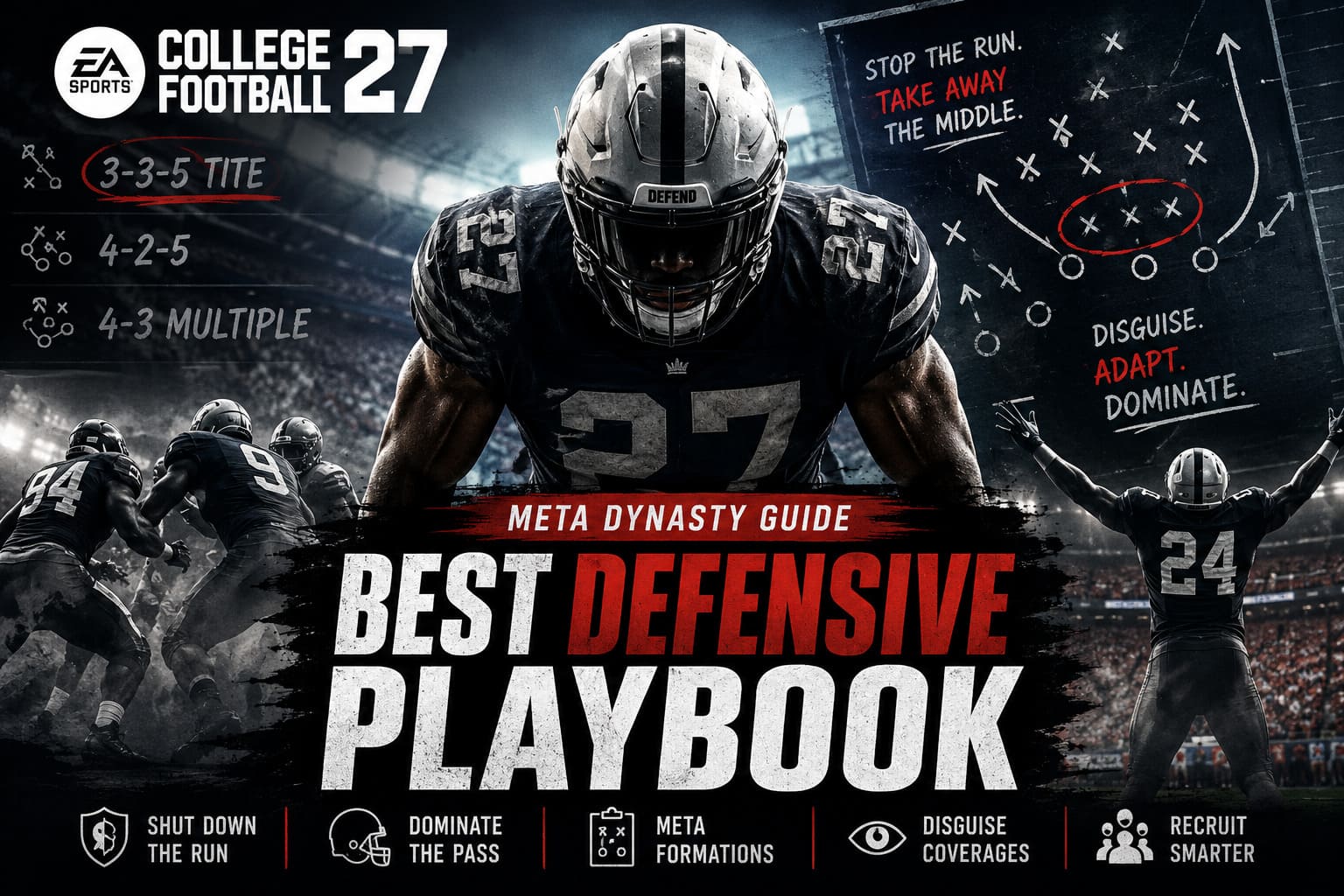
A dominant pass rusher may disappear inside the wrong defense. A fast coverage linebacker can become wasted if he’s constantly taking on offensive linemen. Even elite safeties won’t shine if your system forces them into uncomfortable assignments.
The playbook should come first.
Once you decide how you want to defend the field, recruiting becomes much easier because every prospect has a clear role.
My Top Choice: 3-3-5 Tite
If I had to start a brand-new Dynasty today, this would still be my first choice.
The 3-3-5 Tite simply handles the current offensive meta better than almost anything else I’ve tested. It feels balanced against nearly every opponent without requiring constant substitutions or complicated adjustments.
What immediately stands out is how well it protects the middle of the field.
Instead of allowing inside zone runs to develop, the front alignment naturally creates traffic around the line of scrimmage. Running backs often hesitate for just a split second—and that’s usually enough for your linebackers to finish the play.
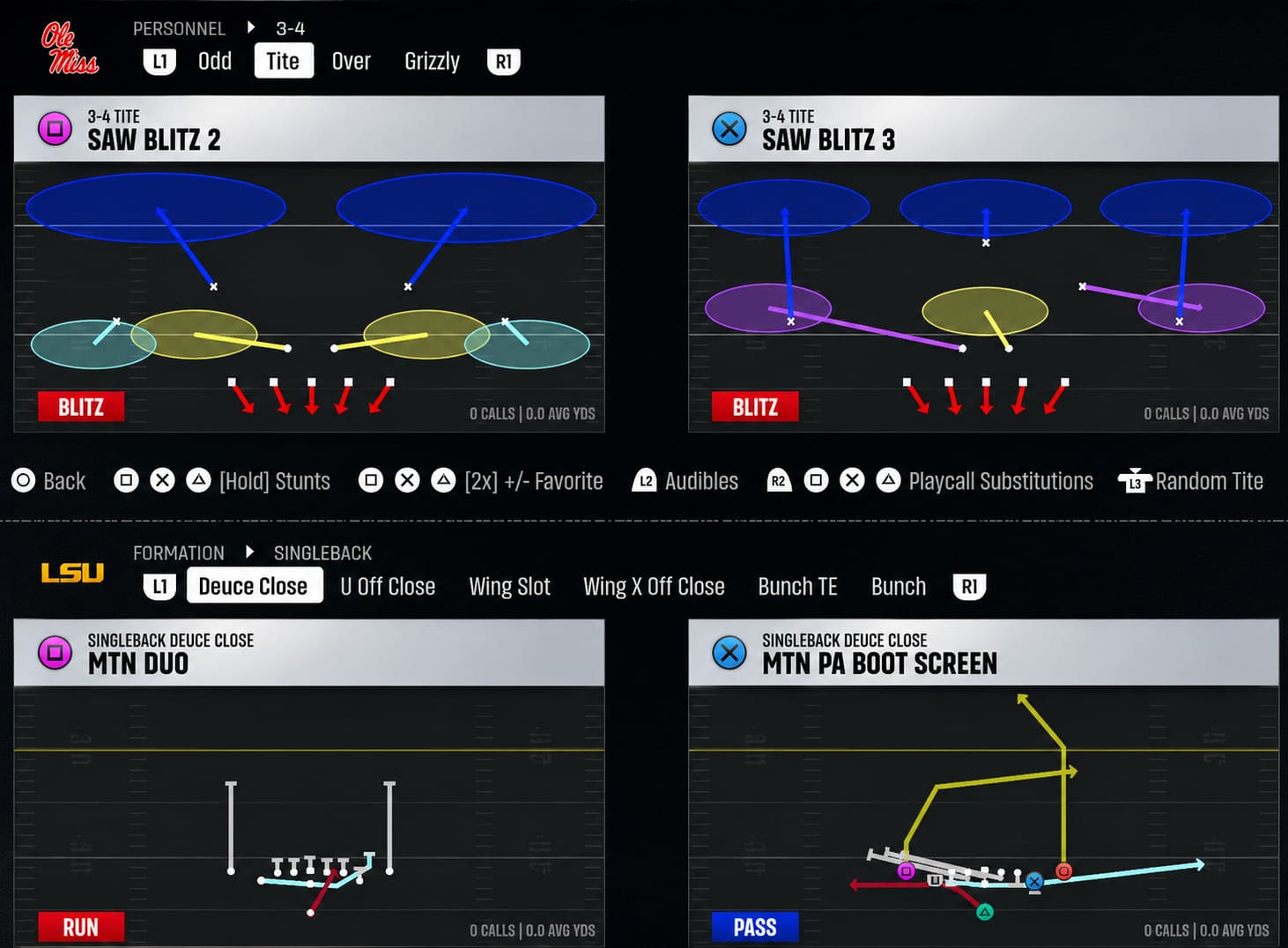
Why I Like It
- Excellent against spread offenses.
- Strong versus inside running attacks.
- Flexible coverage options.
- Keeps speed on the field.
- Doesn’t rely on constant blitzing.
One thing I especially enjoy is that the defense rarely feels predictable. You can show pressure while dropping into coverage or disguise conservative calls without changing personnel.
Formations Worth Using
| Formation | Best Situation | Why It Works |
|---|---|---|
| 3-3-5 Base | Early downs | Balanced against both the run and the pass. |
| 3-3-5 Penny | Passing situations | Creates natural pressure from several angles while maintaining speed. |
| 3-2-6 Dime | Third-and-long | Adds defensive backs without sacrificing overall coverage quality. |
Rather than constantly cycling through every formation in the playbook, I prefer mastering these three. Learning how each one reacts to different offensive looks pays off much more than memorizing dozens of individual plays.
Coverages I Trust the Most
Every player eventually develops a few comfort calls. These are mine.
Cover 3
This has become my default defense.
It’s not flashy, but it limits explosive plays and gives linebackers plenty of freedom to attack downhill once they recognize the run.
Against CPU quarterbacks especially, Cover 3 continues to generate surprising interceptions because deep routes often develop into crowded throwing windows.
Quarters Coverage
Whenever I face a mobile quarterback or an offense that loves crossing routes, Quarters becomes incredibly valuable.
The safeties react well to both run and pass concepts, making the defense feel much more disciplined than many traditional zone coverages.
Pressure Packages
I don’t believe in sending six or seven defenders every snap.
Instead, I prefer occasional pressure mixed into otherwise conservative coverage.
A well-timed linebacker blitz after several standard defensive calls often creates more sacks than blitzing nonstop.
Good offenses adjust quickly.
Keeping them guessing is far more effective.
The Alternative I Recommend: 4-2-5
Not everyone enjoys three-man fronts.
If you prefer four defensive linemen, the 4-2-5 is probably the safest option available.
This defense feels extremely athletic.
The additional defensive back makes a noticeable difference against modern passing offenses, especially when opponents constantly attack slot receivers and athletic tight ends.
Instead of asking linebackers to cover impossible matchups, you’re letting defensive backs do what they’re naturally built to do.

Biggest Strengths
- Outstanding lateral speed.
- Excellent against shotgun offenses.
- Better matchup flexibility.
- Strong nickel personnel by default.
One thing I noticed almost immediately was how much easier it became to defend medium-yardage situations.
Third-and-six no longer felt automatic for the offense.
Nickel Packages Really Shine
The Nickel formations are probably the strongest part of this defensive system.
Rather than playing cautiously, I like attacking protections with disguised pressure while still leaving enough defenders in coverage.
The combination creates confusion without exposing huge holes downfield.
If your defensive ends can consistently win one-on-one matchups, this defense becomes significantly stronger because you won’t need to blitz nearly as often.
Don’t Ignore the Classic 4-3
While many players focus exclusively on modern spread defenses, I still think the 4-3 Multiple deserves respect.
Against power-running teams, larger offensive lines, and heavy formations, the additional linebacker makes life much easier.
Some Dynasty conferences feature opponents that want to control the clock instead of racing down the field.
Against those teams, a physical front can completely ruin their offensive rhythm.
I especially enjoy using heavier fronts near the goal line where space becomes limited and every gap matters.
The Small Adjustments That Change Everything
Playbooks are only part of the equation.
The little adjustments before each snap often determine whether your defense gives up a touchdown or forces a turnover.
Here are the habits that improved my defense the most.
- Disguise coverages whenever possible.
- Avoid repeating the same blitz over and over.
- Shade coverage toward the opponent’s best receiver.
- Pinch or spread the defensive line depending on offensive tendencies.
- User-control a linebacker instead of always rushing with the defensive line.
These adjustments don’t require elite stick skills, but they consistently produce better defensive results over an entire Dynasty season.
Coverage Disguises Are Surprisingly Powerful
One feature I underestimated early on was disguising defensive shells.
Showing one coverage before the snap while actually running something completely different forces quarterbacks into uncomfortable decisions.
Human opponents are especially vulnerable.
Many players identify coverages before the snap and immediately decide where they’re throwing the football.
When that picture suddenly changes after the snap, rushed throws become much more common.
I’ve won several close games simply because an opponent trusted what they saw before the ball was snapped.
Recruiting Players That Actually Fit Your Defense
Recruiting is where great defenses are built.
Instead of chasing the highest overall rating, I now recruit based almost entirely on my defensive philosophy.
For a 3-3-5 Tite
- Prioritize strong interior defensive linemen.
- Recruit fast linebackers who can cover space.
- Look for hybrid safeties with tackling ability.
- Value football IQ and zone coverage over flashy statistics.
The defensive front doesn’t need eye-popping sack totals. Its primary responsibility is creating opportunities for everyone behind it.
For a 4-2-5 Defense
- Target explosive edge rushers.
- Build around athletic defensive backs.
- Invest heavily in quality cornerbacks.
- Create depth across the defensive line for constant rotation.
One recruiting mistake I used to make was ignoring depth.
Dynasty seasons are long, injuries happen, and fatigue becomes noticeable late in games. Rotating defensive linemen keeps everyone fresh and helps maintain pass-rush pressure throughout all four quarters.
Don’t Chase Every Meta Trend
Every few weeks, new videos appear claiming they’ve discovered the latest unstoppable defensive setup.
Most of those strategies work for a handful of games.
Very few survive an entire Dynasty season.
I’ve learned that consistency beats gimmicks almost every time.
A reliable defense that limits explosive plays, forces long drives, and occasionally creates turnovers will usually outperform an overly aggressive scheme built around nonstop blitzing.
Eventually, smart opponents adapt.
A balanced defensive system continues working regardless of who lines up on the opposite sideline.
Final Thoughts
If someone asked me which defensive playbook I’d recommend without knowing anything about their preferred play style, I’d confidently suggest the 3-3-5 Tite.
It handles today’s fast-paced offenses remarkably well, gives linebackers room to make plays, and remains flexible enough to defend almost every offensive style you’ll encounter throughout Dynasty Mode.
Players who love traditional four-man fronts should absolutely consider the 4-2-5, especially if they enjoy athletic secondaries and aggressive nickel packages. It remains one of the most versatile defensive systems in the game and rarely feels outmatched.
At the end of the day, no playbook is completely unstoppable. Great defense comes from understanding your personnel, disguising intentions before the snap, mixing coverages intelligently, and recruiting players who naturally fit your scheme instead of simply chasing overall ratings.
Do that consistently, stay patient instead of gambling on every down, and you’ll eventually build the kind of defense that carries your Dynasty through conference championships, College Football Playoff games, and national title runs. After plenty of trial and error, that’s the philosophy I keep returning to every single season.