The Evolution of Bakery Girl: Why Reverse Collapse & GFL2 Define Modern Tactical RPGs
From 2013 to Now: A Game That Grew Up With Its Audience
When I first launched Reverse Collapse: Code Name Bakery, I honestly didn’t expect much beyond a standard “modern remake” treatment.
You know the type—better graphics, smoother controls, maybe a few extra missions slapped on top of an old game. But after spending time with it, I realized this isn’t just a remake. It feels more like a reconstruction of a forgotten idea that’s been slowly evolving for over a decade.
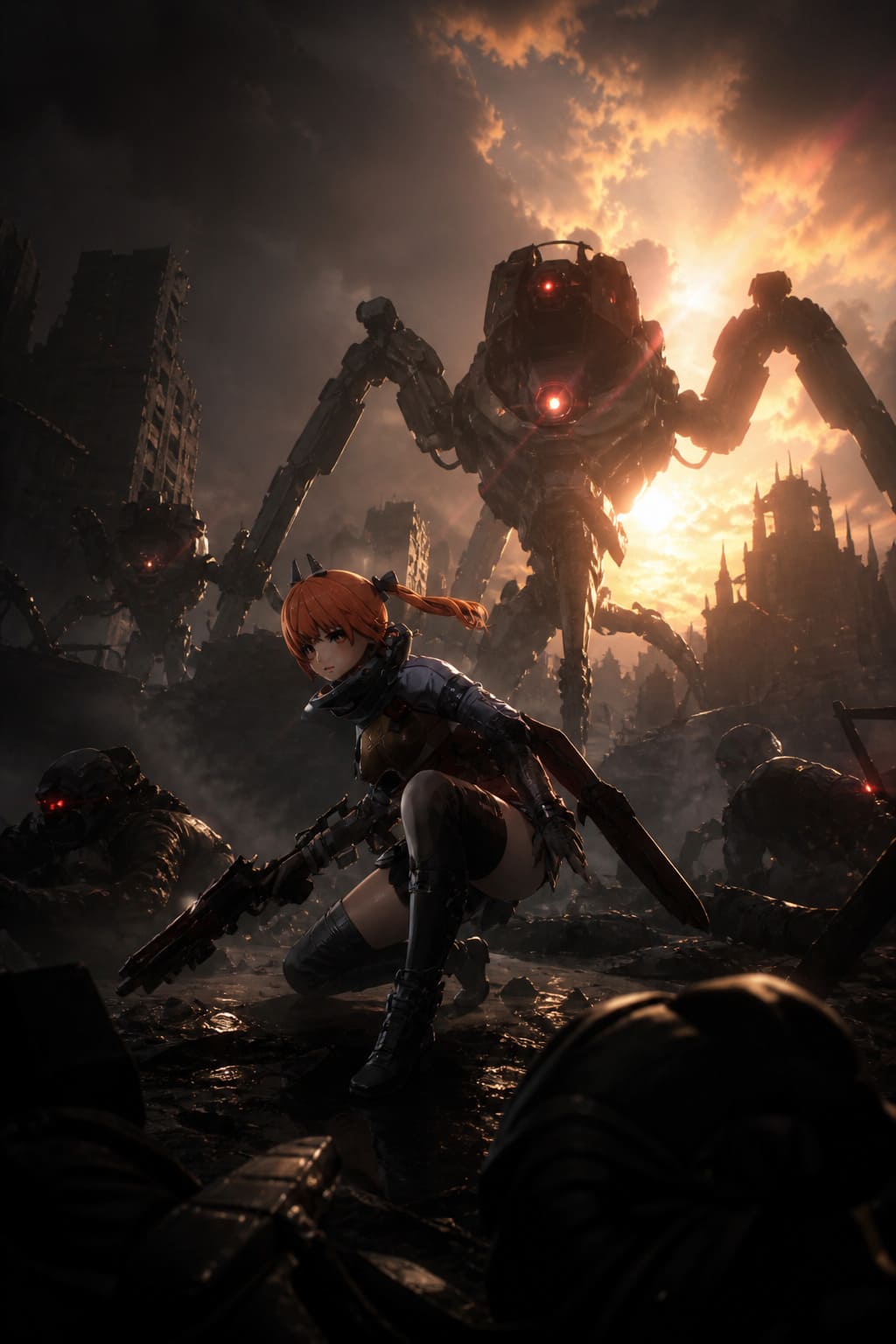
If you’ve ever heard of Code Name: Bakery Girl (2013), you probably already know it had a reputation: brutally hard, niche, and surprisingly deep in lore for something that looked like a small indie project.
But Reverse Collapse doesn’t just revisit that game—it reinterprets it like someone took an old sketchbook and turned it into a full cinematic universe.
And as someone who enjoys tactical RPGs, worldbuilding-heavy games, and anything that forces you to actually think before moving a unit, I’ve got a lot to say about it.
The Story Is No Longer “Small”
Back in 2013, Bakery Girl was a very different experience. It was rough around the edges, but it had personality. The game followed a bleak survival journey with characters like Mendo and Jefuty, set in a frozen, collapsing world full of political tension and mystery.
What stood out even back then wasn’t the gameplay—it was the tone. Everything felt desperate. Every mission felt like you were one mistake away from disaster.
But let’s be honest: no voice acting, limited animations, simplified presentation, and extremely niche accessibility made it a title only a small group of dedicated fans truly understood.
Fast forward to Reverse Collapse, and it feels like the developers looked back and said: “Okay, now let’s build the version we always wanted to make.”
What Reverse Collapse Actually Changes (And Why It Matters)
Calling this game a remake almost feels misleading. It’s more like a reimagined director’s cut with modern production values and expanded lore integration into the Girls’ Frontline universe.
Here’s where the differences really stand out:
Expanded narrative structure: Over 300,000 words of story content, branching timelines, and time-loop mechanics that completely reshape how events unfold.
Modern presentation: High-quality 2D animations, fully voiced dialogue, cinematic combat skills, and a significantly improved user interface.
Refined gameplay systems: Better stealth clarity, improved enemy indicators, expanded crafting mechanics, and more meaningful environmental interaction.
| Feature | Bakery Girl (2013) | Reverse Collapse |
| Visual Style | Static sprites | High-quality 2D animation |
| Voice Acting | None | Full Japanese voice cast |
| Combat Presentation | Minimal effects | Cinematic skill animations |
| UI/UX | Basic interface | Modern tactical design |
Gameplay Feels Less Punishing, More Tactical
The original game was infamous for being unforgiving. Sometimes it felt like difficulty came from unclear systems rather than smart design.
In Reverse Collapse, the difficulty is still there—but it feels fairer.
Better visibility for enemies, clearer stealth indicators, improved mission feedback, and a backtrack system for correcting mistakes all contribute to a more controlled tactical experience.
Instead of restarting missions out of frustration, I found myself actually adjusting strategy and learning from mistakes. That alone changes the entire tone of the game.
Voice Acting Changes the Entire Mood
I didn’t expect voice acting to matter this much, but it completely changes the emotional tone.
Characters feel more grounded and human. Jefuty especially stands out, not just as a mysterious figure, but as a fully realized character with emotional weight.
Even quieter scenes now carry tension and atmosphere instead of feeling empty or static.
Connection to Girls’ Frontline Universe
If you’re already familiar with Girls’ Frontline, this game hits differently. It is no longer just a side story—it feels like a missing puzzle piece of the larger timeline.
It connects major factions, expands Collapse Fluid lore, and builds directly into long-running narrative threads that fans have followed for years.
The best part is that it still works as a standalone story. You don’t need prior knowledge, but if you have it, you’ll notice layers of meaning everywhere.
What It Feels Like to Play
If I had to describe the experience in one sentence, it would be: a tactical RPG that punishes mistakes but respects your intelligence.
Strengths:
Deep tactical gameplay, strong narrative structure, excellent atmosphere, meaningful progression systems, and high replay value through branching paths.
Weak points:
Steep learning curve, occasional pacing slowdowns, and a level of complexity that may overwhelm casual players early on.
A Rare Kind of Remake
What surprised me most about Reverse Collapse: Code Name Bakery is how much respect it shows for its past while still trying to evolve.
It doesn’t erase the original. It doesn’t replace it. Instead, it feels like a continuation of an idea that was never fully realized back in 2013.
It’s not just nostalgia. It’s refinement. It’s expansion. And it’s a reminder that some game concepts don’t age—they just wait for the right moment to be reborn properly.
If you like tactical RPGs that challenge your thinking and reward patience, this is absolutely worth your time.
Why Girls’ Frontline 2 and Reverse Collapse Feel Like Two Sides of the Same Tactical Soul (2026 Perspective)
If you’ve spent any real time with modern tactical RPGs, you’ve probably noticed something interesting happening in 2026: one developer, MICA Team, is quietly shaping the genre in two completely different directions at the same time.
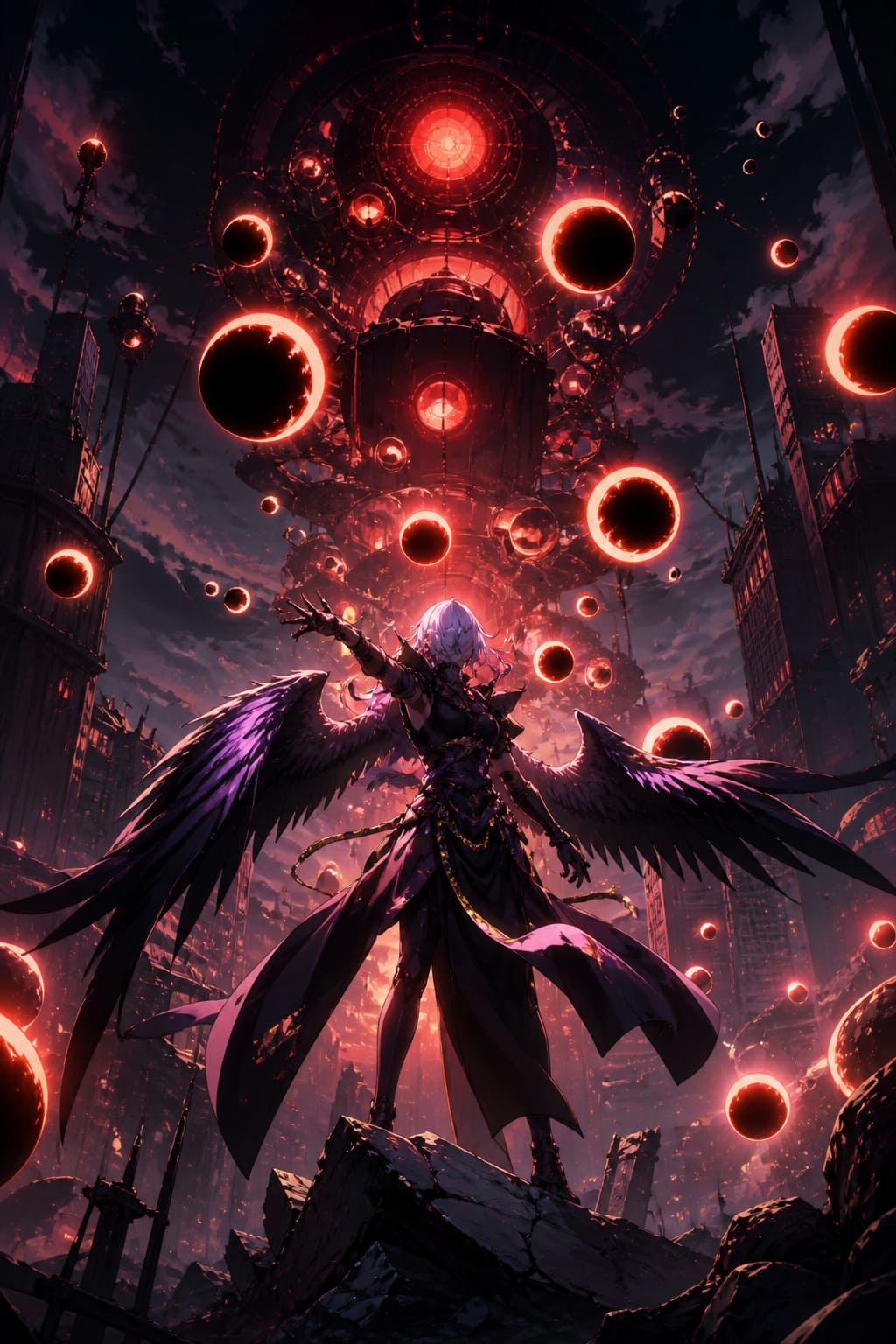
On one side, there’s Girls’ Frontline 2: Exilium—a slick, evolving, live-service strategy game that rewards long-term investment. On the other, you’ve got Reverse Collapse: Code Name Bakery—a brutal, methodical, almost puzzle-like experience that feels closer to old-school tactical design.
I’ve played both, and honestly, comparing them directly misses the point. They’re not rivals—they’re complementary experiences that expand the same universe in ways that feel intentional rather than fragmented.
Two Philosophies, One Genre
Let’s get this out of the way: these games play nothing alike.
Girls’ Frontline 2: Exilium feels like a living system. It’s the kind of game you log into daily—not because you have to, but because there’s always something evolving. New builds, new events, new character synergies. It leans heavily into squad composition and positioning, with a clear influence from XCOM-style tactical design, but with more flair and customization.
Meanwhile, Reverse Collapse feels like a challenge issued directly to the player: you don’t need stronger units—you need better decisions.
There’s no safety net. No gacha pulls to fix your mistakes. You succeed because you learned the system, not because you outscaled it.
Core Differences at a Glance
| Feature | GFL2: Exilium | Reverse Collapse |
|---|---|---|
| Model | Live-service | Buy-to-play |
| Focus | Progression & builds | Puzzle-solving & survival |
| Combat Style | 3D, cover-based tactics | 2D, grid-based strategy |
| Difficulty Curve | Gradual scaling | Sharp, punishing |
| Replay Value | Ongoing updates | Branching paths |
Why GFL2 Feels Like Your “Main Game”
There’s something undeniably satisfying about building a squad over time. In GFL2, you’re constantly tweaking loadouts, experimenting with weapon synergies, and optimizing roles.
The introduction of deeper upgrade layers means you’re never really “done.” There’s always a better version of your team waiting to be built.
What stands out most:
- Character identity actually matters—units don’t feel interchangeable
- Weapon customization is meaningful, not just stat padding
- Combat has weight—positioning and cover genuinely change outcomes
It scratches that itch of long-term ownership. You don’t just play your squad—you build it over weeks or months.
Reverse Collapse: The Game That Doesn’t Care About Your Comfort
Switching to Reverse Collapse feels like going from a structured routine to survival training.
This is where the shared universe gets really interesting. Instead of controlling elite tactical units, you’re often dealing with limited tools, scarce resources, and situations that feel borderline unfair—until you figure them out.
The standout mechanic is its timeline-based progression system. You’re not just retrying missions—you’re rewriting outcomes.
What Makes It Stand Out
- Backtracking mechanics force you to think across timelines
- Stealth is often mandatory, not optional
- Resource management is extremely strict
- Every mistake becomes a lesson in system mastery
There are moments where failure repeats not because of randomness, but because you simply haven’t understood the rules yet. That’s rare in modern tactical design.
A Shared World That Actually Feels Connected
A lot of games claim to have a shared universe. Few actually make it feel meaningful.
Here, it works.
Both titles exist in the same Collapse Fluid–ravaged world, but they show it from completely different angles. GFL2 gives a structured, militarized perspective. Reverse Collapse strips that away and shows what survival looks like when systems collapse.
The timeline separation is key: GFL2 explores a transitional era with lingering control and structure, while Reverse Collapse moves into a more unstable future where order has largely broken down.
Even enemy perception shifts. Creatures that feel manageable in GFL2 become terrifying in Reverse Collapse—not because they changed, but because context changed.
Visual Identity: Style vs Atmosphere
Both games look impressive, but in completely different ways.
GFL2 leans into high-end 3D visuals. The animations are smooth, lighting is dynamic, and everything feels polished and modern.
Reverse Collapse focuses on atmosphere. Its 2D presentation prioritizes tone over spectacle, creating a colder, more isolated feeling.
Instead of technological flash, it delivers emotional weight.
The environments feel harsh, quiet, and often oppressive. You’re not just solving maps—you’re surviving them.
Community Perspective: Not Competition, But Balance
What’s fascinating in 2026 is how players talk about these games.
Nobody is really debating which one is better. Instead, the discussion sounds more like lifestyle preference.
Typical player patterns:
- GFL2 is the “daily engagement” game for progression and experimentation
- Reverse Collapse is the “focus mode” experience for deep tactical thinking
This balance allows both games to coexist without competing for attention in the same way most sequels or spin-offs do.
Why This Dual Approach Actually Works
Most studios would try to merge these ideas into one massive hybrid system. That usually leads to compromise.
Instead, MICA Team separated them cleanly:
- One game emphasizes growth, collection, and long-term investment
- The other emphasizes precision, planning, and problem-solving
This avoids one of the biggest issues in tactical RPGs: trying to satisfy both casual and hardcore players with a single design philosophy.
Here, each audience gets a focused experience without dilution.
Final Thoughts: A Rare Kind of Cohesion
What stands out most is not just that both games are good—it’s that they respect the player in different ways.
GFL2 respects your time investment through progression systems and evolving content. Reverse Collapse respects your skill by refusing to simplify its systems for comfort.
Together, they feel like two halves of the same creative vision rather than separate products.
If you’re into tactical RPGs, this is one of the more interesting modern examples of how a shared universe can expand without losing identity. Not because either game reinvents the genre alone—but because together, they redefine what a tactical ecosystem can be.