Nioh 3 Guide: How to Switch Styles & Master Ninja Ki Regeneration
When I booted up Nioh 3 on February 6, 2026, I expected tighter combat, nastier yokai, and another brutal skill ceiling. What I didn’t expect was how dramatically the new Style Shift system would redefine the rhythm of every single fight.
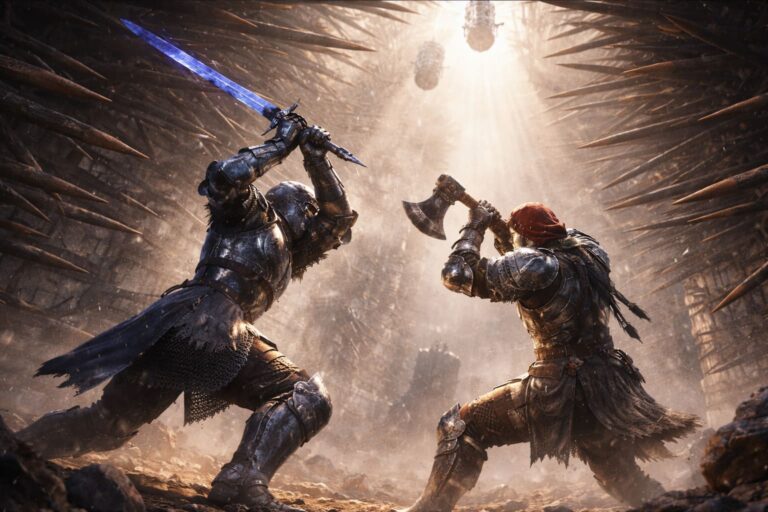
Forget just swapping stances like in Nioh 2. In Nioh 3, you’re not just changing posture — you’re changing identity. Samurai and Ninja aren’t cosmetic playstyles. They are two philosophies colliding in real time.
And once it clicks? Combat becomes art.
Style Shift: The Real Evolution of Team Ninja Combat
Team Ninja didn’t just tweak mechanics — they restructured how momentum works.

With a single dedicated button press, you instantly swap between Samurai Style and Ninja Style.
- Samurai Style – grounded, punishing, deliberate.
- Ninja Style – agile, slippery, tactical.
The wild part? You can shift mid-combo.
You’re halfway through a heavy Samurai string, enemy about to counter — boom, instant Ninja dodge into shuriken pressure. It feels illegal the first time you pull it off.
And yes — loadouts can swap with the style. Weapons, armor, skills. It’s basically two builds stitched into one character.
Samurai vs Ninja: Two Souls, One Warrior
Here’s the clean breakdown:
| Feature | Samurai Style | Ninja Style |
|---|---|---|
| Core Focus | Defense, raw power, Ki control | Speed, evasion, ranged pressure |
| Stamina System | Uses Ki Pulse | No Ki Pulse; alternate dodge mechanic |
| Stances | High, Mid, Low | Single fluid stance |
| Combat Tempo | Deliberate and punishing | Reactive and opportunistic |
| Special Mechanic | Arts Proficiency gauge | Rechargeable tools (shuriken, etc.) |
If you loved stance dancing in previous entries, Samurai will feel familiar. But Ninja? Ninja is chaos — the good kind.
Samurai Style: Classic Nioh, Refined
If you’ve played the series before, Samurai feels like home — just sharper.
You still get three stances:
- High Stance – Massive damage, huge stagger, brutal Ki cost.
- Mid Stance – Defensive balance, excellent for parries and groups.
- Low Stance – Fast, evasive, stamina-efficient.
But here’s the difference: now Samurai is just one half of your toolkit.
Instead of committing to a full defensive playthrough, you can go heavy, break posture, then shift into Ninja to keep pressure without burning Ki.
The Arts Proficiency gauge also rewards aggressive skill chaining. If you’re good at timing, Samurai becomes devastatingly oppressive.
Ninja Style: Speed Kills
Ninja Style removes traditional stance management entirely.
No Ki Pulse. No High/Mid/Low micro-decisions.
Instead, you get hyper-mobility, faster evasive options, and tools that recharge through aggression.
It’s built for players who hate waiting.
You’re weaving through attacks, throwing tools, slicing, repositioning. It feels closer to a character-action game at times. If Samurai is calculated violence, Ninja is controlled panic.
The Last Caretaker: Beginner Tips & How to Unlock the Jet Ski
The Secret Sauce: Mid-Combo Style Shifting
This is where Nioh 3 combat depth explodes.
There’s a hidden rhythm reward system — similar in spirit to Flux in Nioh 2 — where shifting styles after active skills keeps your offense flowing instead of stalling.
Good players will burn Ki aggressively in Samurai, shift before exhaustion, continue pressure in Ninja while resources recover, then shift back in for a finishing heavy.
It feels almost like stance-cancel tech from fighting games.
Weapon Restrictions & Build Identity
Not every weapon plays nice with both styles.
- Heavier blades tend to favor Samurai.
- Lighter, technical weapons like dual swords or kusarigama lean Ninja in certain builds.
That means your Style Shift choice affects your build meta.
You’re no longer building one character. You’re building a dual-system combat engine.
And some of the strongest Style Shift passives don’t even unlock until Act 2 — meaning the system deepens as the campaign progresses.

My Take as a Longtime Action RPG Addict
Style Shift is the smartest thing Team Ninja has done since introducing Ki Pulse years ago.
It rewards mechanical confidence, situational awareness, aggressive play, and creative combo routing.
It punishes hesitation, tunnel vision, and one-style dependency.
Most importantly, it keeps fights dynamic. You’re never stuck in one rhythm.
And in a genre where stamina management can sometimes slow pacing, Ninja Style injects pure adrenaline without breaking balance.
Nioh 3 Ninja Ki Pulse Guide: How I Turned Shinobi Stance Into a Non-Stop Damage Machine
If you’re playing Nioh 3 and still treating Ki Pulse like it works in the old Samurai meta, you’re leaving insane value on the table.
I went into Shinobi Stance expecting “fast but fragile.” What I got instead was something way more interesting: a hyper-aggressive, stamina-positive playstyle that feels almost unfair once it clicks. This isn’t about turtling, Flux juggling, or stance micromanagement. This is about movement, timing, and controlled chaos.
Let’s break down how Ki Pulse really works in Ninja Style and how to turn it into near-infinite agility.
The Big Shift: Ki Pulse in Shinobi Stance Feels Different
In Samurai Style, Ki Pulse is structured, rhythmic, and calculated. In Ninja Style, it’s instinctive.
After every combo, you’ll see those familiar blue sparks gathering around your character. That’s your window. Hit the Ki Pulse button at the moment they converge and your spent Ki comes flooding back instantly.
But here’s the twist: Ninja Style regenerates Ki faster by default, and holding guard nearly kills your regeneration speed. If you’re coming from Samurai muscle memory, you’ll sabotage yourself by instinctively blocking.
Ninjas don’t block. They reposition.
How to Survive Poppy Playtime Chapter 5: Full Walkthrough and the Shocking Ending Explained
The Core of the Build: Dodge Ki Pulse (Running Water)
If there’s one skill that defines the Ninja meta, it’s Dodge Ki Pulse.
Instead of standing still to pulse, you tie it to your dodge. That means you recover Ki, reposition, and potentially land behind the enemy in one seamless motion.
If you’re staying under 30% equipment weight (A-Rank Agility), which you absolutely should, dodges cost less Ki and cover more ground. This is where Ninja Style starts to feel broken in the best way.
Mist & Yokai Realm: Ninja’s Secret Advantage
The new Mist mechanic is a quiet game-changer.
Instead of relying on traditional stance-switch Flux to purify Yokai Realm pools, certain Ninja upgrades allow you to cleanse Yokai pools with well-timed evades, recover Ki during Mist interactions, and maintain tempo without stopping your offense.
It feels fluid. You’re not resetting the fight. You’re evolving the flow mid-combat.
Ninjutsu Canceling: Where Things Get Spicy
This is where the style becomes expressive.
You can perform an attack, throw a Shuriken, and immediately Ki Pulse the original attack, layering actions to keep pressure constant.
Then there’s Feather canceling. Ninjutsu Feathers hit hard, but their recovery animation is painful. The trick is to use a Guardian Spirit skill or trigger a Burst Counter to cancel the long recovery animation and allow your Ki to regenerate during the skill animation itself.
It feels advanced. It feels dirty. It feels incredible.

Optimizing Your Ninja Build for Endless Ki
If your gear isn’t supporting your rhythm, the style collapses.
Core Stat Priorities
| Stat | Why It Matters |
|---|---|
| Skill | Improves Ki Pulse efficiency |
| Dexterity | Boosts Ninjutsu damage and capacity |
| Agility (A-Rank) | Reduces Ki cost and increases regeneration speed |
Keep your equipment weight under 30%. No exceptions. Ninja builds are built around mobility loops.
Recommended Armor Sets
- Flying Kato – The gold standard for Untouched Ninjutsu and melee-to-ninjutsu synergy
- Fuma Ninja – An early-game monster for Shuriken and Kunai burst damage
Flying Kato especially turns your kit into a relentless pressure engine.
My “Infinite” Pressure Loop
Here’s the loop that made Ninja my favorite way to play Nioh 3:
- Engage: Land a 2–3 hit combo
- Dodge Ki Pulse: Reposition behind the enemy
- Kunai throw: Maintain enemy Ki depletion
- Guardian Spirit activation: Deal damage while your Ki refills during the animation
Rinse. Repeat. If done right, you’re almost never empty. The enemy is.
The Most Important Ninja Rule
Stop holding guard.
If you’re Ki-starved, most of the time it’s because you’re blocking out of habit. Shinobi Stance is about invincibility frames, precision timing, backstab bonuses, and controlled aggression.
You’re not a tank. You’re a predator.
Why Ninja Style Is Secretly the Most Fun Way to Play
Samurai feels powerful. Ninja feels alive.
When Ki Pulse, Dodge Canceling, and Ninjutsu layering all sync up, combat transforms. It stops being turn-based stamina management and becomes pure momentum.
And once you learn to trust movement over defense, you’ll realize something important: you don’t need infinite stamina. You just need to stop wasting it.
Final Verdict
If you want to master Nioh 3 combat, stop thinking in terms of builds and start thinking in terms of flow.
Samurai establishes control. Ninja disrupts it. Style Shift connects them.
Once you stop seeing them as separate modes and start treating them like two beats of the same combat loop — that’s when Nioh 3 truly opens up.
And trust me — when you pull off your first perfect mid-combo shift into a lethal finish, you’ll understand why this system is the future of hardcore action RPG combat.