Mixtape Game Release Date, Platforms, and Full Gameplay Review: Coming-of-Age Adventure for PS5, Xbox, and PC
If you told me a year ago that a small indie title would completely hijack my attention in 2026, I probably would’ve laughed and gone back to grinding another 80-hour open-world RPG. But then Mixtape showed up—developed by Beethoven & Dinosaur and published by Annapurna Interactive—and honestly, it hit differently. This isn’t just another indie darling riding nostalgia. It’s something way more personal. It feels like a memory you forgot you had.
Quick Overview
| Feature | Details |
|---|---|
| Release Year | 2026 |
| Platforms | PS5, Xbox Series X|S, PC, Nintendo Switch 2 |
| Genre | Narrative Adventure |
| Playtime | ~4–6 hours |
| Developer | Beethoven & Dinosaur |
| Publisher | Annapurna Interactive |
First Impressions — A Vibe Before a Game
I booted up Mixtape expecting something similar to Life is Strange or Oxenfree. And yeah, those comparisons make sense—but they don’t fully capture what this game does. From the first few minutes, it’s clear: Mixtape is built around emotion, not mechanics. The visuals are stylized and slightly choppy on purpose, almost like a living memory, the music isn’t just background noise but the core of the experience, and the pacing is slow but intentional. It reminded me of those late nights when you’re listening to music and just thinking about everything.

The Story — Simple, But It Hits Hard
You follow three friends—Enzo, Vinny, and Roxy—on their last night before life pulls them in different directions. That’s it. No world-ending stakes, no villains, just a very human story. And somehow, that makes it more powerful. The setting, Rockford, feels like every suburban town you’ve ever seen or lived in. What really got me is how the story unfolds not chronologically or traditionally, but through music-triggered memories. Each song unlocks a playable moment from their past, whether it’s sneaking out at night, dealing with awkward first romantic moments, or sharing those dumb inside jokes that somehow meant everything. It’s messy, fragmented, and real, just like actual memories.
Gameplay — More Than “Just Walking Around”
Let’s address the obvious: yes, some people will call this a walking simulator, but that’s not entirely fair. What you actually do is explore detailed environments, trigger memories through interaction, and play through short, unique gameplay sequences. You might find yourself skateboarding through surreal, physics-bending spaces, hitting rhythm-based inputs tied directly to the soundtrack, or navigating awkward social interactions through quick-time events. None of it is mechanically deep, but that’s not the goal. The game wants you to feel the moment rather than master it, and that design choice works surprisingly well.
The Soundtrack — Honestly, This Is the Real Star
I can’t overstate this: the soundtrack is everything. Featuring artists like The Cure, Joy Division, Iggy Pop, Siouxsie and the Banshees, The Smashing Pumpkins, and DEVO, the music isn’t just there for atmosphere—it drives the entire experience. Each track is carefully placed to amplify specific emotions and scenes. There are moments where you’ll just stop playing and listen, letting the scene breathe, and that’s something very few games manage to achieve.
Far Far West Steam Deck 60FPS Optimization Guide: Best Settings (2026)
Platforms — Where Should You Play?
| Platform | Experience |
|---|---|
| PS5 | Best immersion thanks to DualSense feedback |
| Xbox Series X|S | Great value via Game Pass |
| PC | Best visuals and performance |
| Switch 2 | Perfect for portable, nostalgic sessions |
There’s honestly no wrong platform here, so it really comes down to personal preference and where you enjoy playing most.
What I Loved (And What Might Not Be For Everyone)
- What Works: Authentic emotional storytelling, incredible music integration, unique visual identity, and no filler content.
- What Might Not Click: Short runtime, minimal gameplay depth, and an unusual animation style that may not appeal to everyone at first.
Community Reaction — Pretty Much What You’d Expect
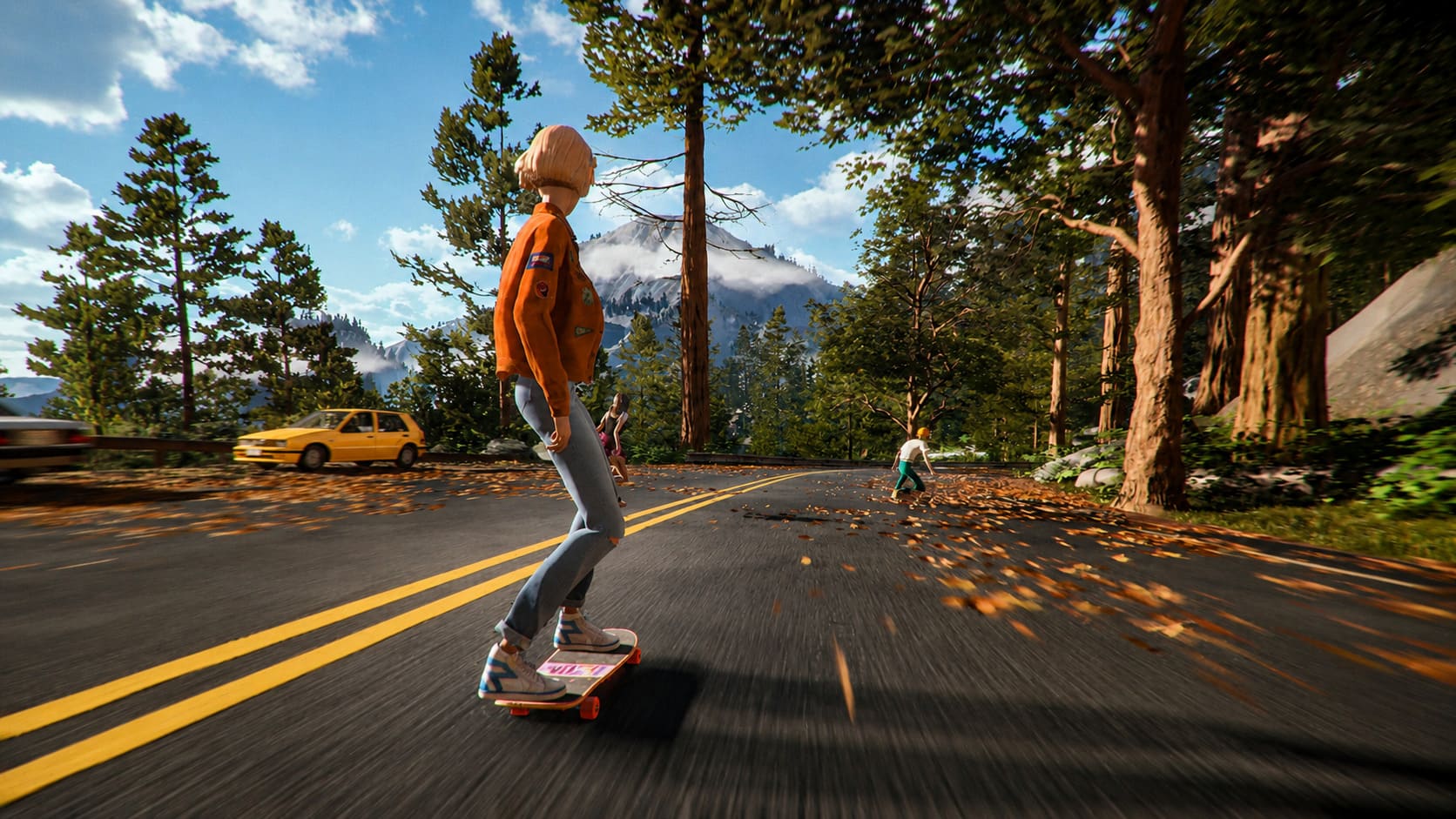
From what I’ve seen across forums and discussions, players are calling it a playable memory. Many compare it to narrative-heavy indie games known for emotional storytelling, while others debate the price versus length. Still, most agree that the experience justifies the cost because of its quality and focus. A lot of players also point out how well it captures nostalgia without feeling forced or artificial, which is a difficult balance to achieve.
Why Mixtape Actually Matters
Games like this don’t come around often. In a world full of massive open worlds, endless side quests, and live-service mechanics, Mixtape feels refreshingly focused and personal. It’s short, but every moment has meaning. It reminded me why I fell in love with games in the first place—not for progression systems or endless content, but for the moments that stay with you after you’ve finished playing.
Final Verdict — A Game I’ll Remember for a Long Time
Mixtape isn’t trying to impress you with scale or complexity, it’s trying to connect with you on a personal level, and if you let it, it absolutely will. This is one of those rare games that leaves you sitting quietly after the credits roll, reflecting not just on the story, but on your own experiences. That’s something special, and it’s why Mixtape stands out as one of the most memorable indie games of 2026.