Dreadmoor Factions & Playtests: How to Upgrade Your Ship and Join Early Access
If you’re like me and love games that mix survival, exploration, and a touch of eerie mystery, Dreadmoor is shaping up to be an absolute treat. Developed by Dream Dock and published by Digital Vortex Entertainment, Dreadmoor is an upcoming first-person, post-apocalyptic fishing adventure that plunges players into a sunken world where survival isn’t just a goal—it’s a daily struggle.
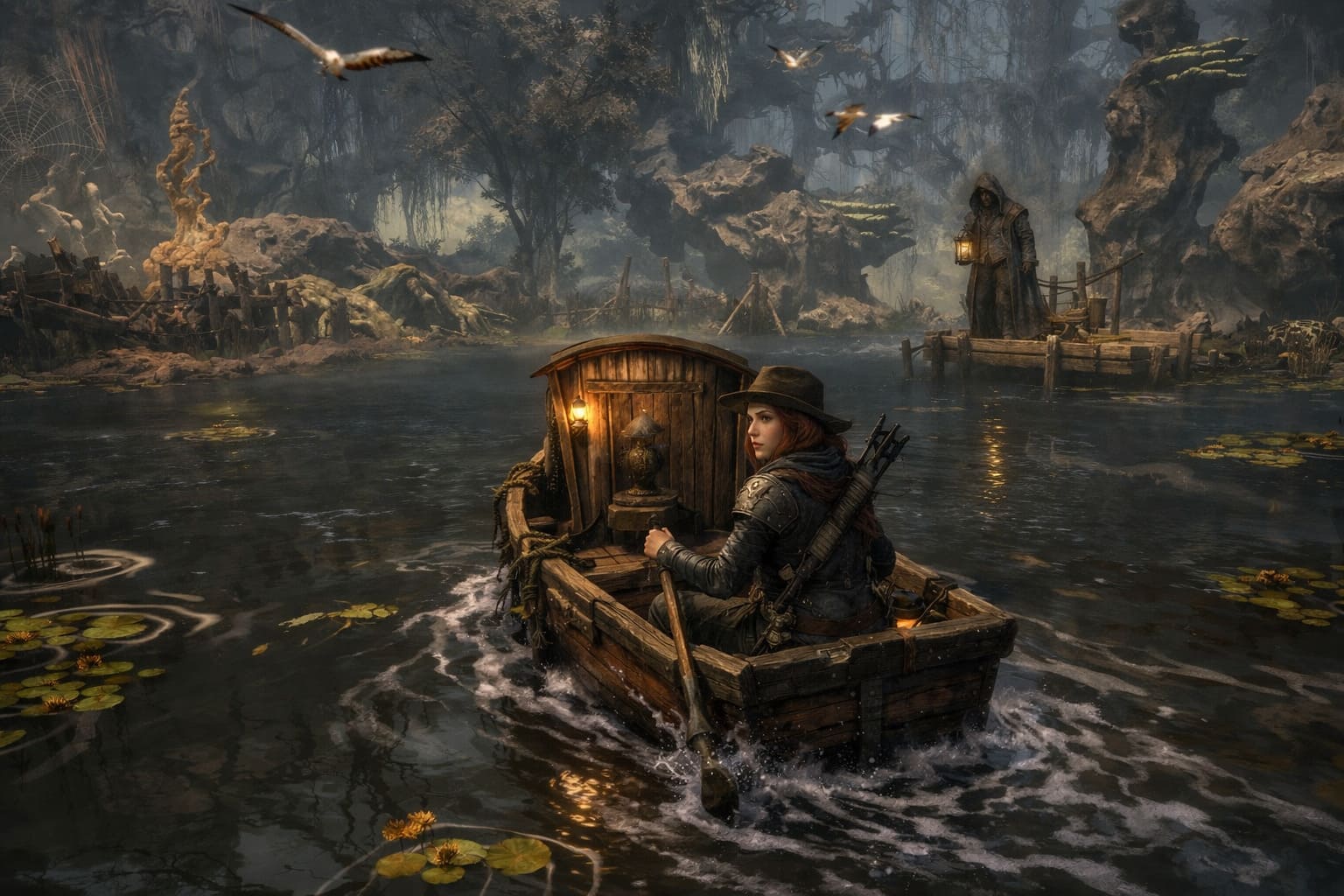
Think Dredge, but in 3D, fully immersive, and with a darker, more Lovecraftian twist.
Here’s everything I’ve gathered so far, along with some thoughts on why this could become one of 2026’s sleeper hits.
Life Steal Build Guide for Dragonkin: The Banished – Best Fragments & Grid Setup
The Submerged Land: A Drowned World Full of Mystery
The setting in Dreadmoor is a visually striking post-apocalyptic world known as the Submerged Land. After a global nuclear disaster, the continents have been mostly swallowed by the oceans. Only scattered islands, ruins, and remnants of human civilization remain.
Key aspects of the world include:
- Murky Waters: Over 100 species of mutated aquatic creatures roam these waters. Some are prey, some are predators, and many will turn on each other (or you!).
- Island Exploration: Beyond the boat, you can explore abandoned buildings, sunken shipwrecks, and hidden caves in first-person mode. Looting and scavenging are essential for long-term survival.
- Survival Environment: Radiation, weather, and nightfall all affect gameplay. Mutated creatures become more aggressive in darkness, and staying prepared is more than just a suggestion—it’s a necessity.
Honestly, the world-building alone makes Dreadmoor feel like a living, breathing nightmare you want to explore.
Factions and NPCs: Who You’ll Meet on Your Journey
While the Submerged Land is hostile, there are pockets of life where survivors cling to hope. Dreadmoor’s NPCs add a lot of flavor to the world:
1. Survivors of Submerged Land
- Primary NPC faction.
- Live on scattered islands and provide quests.
- Depend on your catches to survive, creating meaningful trading interactions.
2. Mysterious Traders
- Found sporadically across the map.
- Offer high rewards for rare or dangerous mutated fish.
- Often require you to venture into high-risk zones for the best loot.
These factions add layers to the gameplay. You’re not just fishing—you’re building relationships and navigating a society still struggling in a drowned apocalypse.
Gameplay Mechanics: Fishing, Crafting, and Surviving
The core loop in Dreadmoor revolves around catching fish, managing your inventory, trading, and upgrading your ship, but there’s so much more under the surface:
Your Trawler
Your boat is your lifeline. Luckily, it’s highly customizable:
| Upgrade Type | Benefits |
|---|---|
| Speed | Faster travel between islands and safe zones |
| Cargo Capacity | Haul more fish and loot |
| Defense | Protect yourself from sea monsters |
| Visual Customization | Personalize your vessel |
Crafting Essentials
- Specialized Bait: Attract rare or mutated fish.
- Reinforced Harpoons: Fight off both sea and land threats.
- Survival Tools: Medicines and other equipment to combat radiation and environmental hazards.
Day/Night Cycle
- Day: Easier navigation and calmer waters.
- Night: Aggressive mutated creatures, higher radiation, and hidden mysteries.
This combination of survival, crafting, and exploration is exactly what makes Dreadmoor stand out from other fishing or survival games.
What Makes Dreadmoor Stand Out?
From early community discussions, here’s what seems to resonate:
- “3D, first-person Dredge” feeling: Fans of Dredge are excited about the upgrade to 3D immersion.
- Interactive world: Your actions on the water and land have consequences. Fish eat each other in your hold, quests unfold dynamically, and scavenging can uncover hidden dangers.
- Combat variety: You can engage in real-time battles on both land and sea, keeping tension high.
There’s some skepticism from the community, mainly about the trailer looking too scripted. But early pre-alpha testers report that the fishing mechanics and core gameplay are already “fantastic”. This gives me hope that the final product will feel alive, not canned.
Early Impressions and Community Buzz
Players on Reddit and YouTube are already buzzing about Dreadmoor. Here’s a quick summary of community sentiment:
- Positive: Engaging fishing mechanics, detailed world design, compelling narrative hooks.
- Neutral: Concerns about scripted trailer footage and marketing polish.
- Excited: The promise of a full, handcrafted story with memorable characters.
Honestly, I’m leaning toward excitement. Games like this thrive when developers balance relaxing yet tense gameplay with exploration and narrative depth—and Dreadmoor seems to be hitting that sweet spot.
FAQ for New Players
Is there a storyline? Yes! Dreadmoor includes a hand-crafted narrative that unfolds as you explore, trade, and survive.
Can you fight on land? Absolutely. While the boat is your base, the land is full of creatures and hostile scavengers. Combat is real-time and impactful.
Platforms? Currently in development for PC, and it can be wishlisted on Steam.
Should You Be Excited?
If you love post-apocalyptic settings, Lovecraftian monsters, and immersive survival gameplay, Dreadmoor deserves a spot on your radar. Its blend of fishing, crafting, and exploration—combined with a tense, dynamic world—makes it feel like a game you’ll lose hours in without even noticing.
For me, it’s the mix of quiet moments on the water and unexpected encounters on the islands that really sells it. There’s something deeply satisfying about upgrading your trawler, venturing into a dangerous new zone, and coming back with rare loot while slowly unraveling the world’s mysteries.
I’m personally marking this one as a must-watch for 2026—it has the potential to be both relaxing and thrilling, which is a rare combination in survival games.
Navigating the Depths: Essential Ship Upgrades in Dreadmoor and How to Join Early Playtests
If you’re a fan of games that blend exploration, resource management, and high-stakes combat on the open water, Dreadmoor is shaping up to be a unique experience. Unlike traditional fishing or survival titles, Dreadmoor demands more than patience—it challenges players to upgrade, strategize, and survive in a world teeming with mutated threats and treacherous waters.
I’ve been following its development closely, and here’s a deep dive into what you need to know about ship upgrades, gameplay, and early playtesting opportunities.
Why Ship Upgrades Are Game-Changing in Dreadmoor
In Dreadmoor, your vessel isn’t just transportation—it’s your lifeline. How you outfit your ship can drastically change your experience, and the developers at Dream Dock have confirmed several modular upgrade paths. Here’s what makes each upgrade category essential:
1. Vessel Hull
Your hull isn’t just cosmetic; it defines how much cargo your ship can hold. Larger hulls allow you to store more fish, crucial for extended expeditions. But beware—Dreadmoor’s ecosystem is unpredictable. Mutated catches can attack your inventory, meaning bigger storage also comes with bigger risks.
Pro Tip: Prioritize hull upgrades early if you want to tackle high-yield fishing zones without constantly returning to base.
2. Engine Systems
Speed isn’t just convenient; it’s survival. Dreadmoor emphasizes realistic physics, with heavier vessels reacting more slowly. Installing fuel-powered engines allows your ship to cut through the “Drownland” waters with better handling and reduced travel times.
Developer Insight: Engine upgrades balance weight and inertia, making your ship more maneuverable against sudden storms or monster attacks.
3. Specialized Fishing Gear
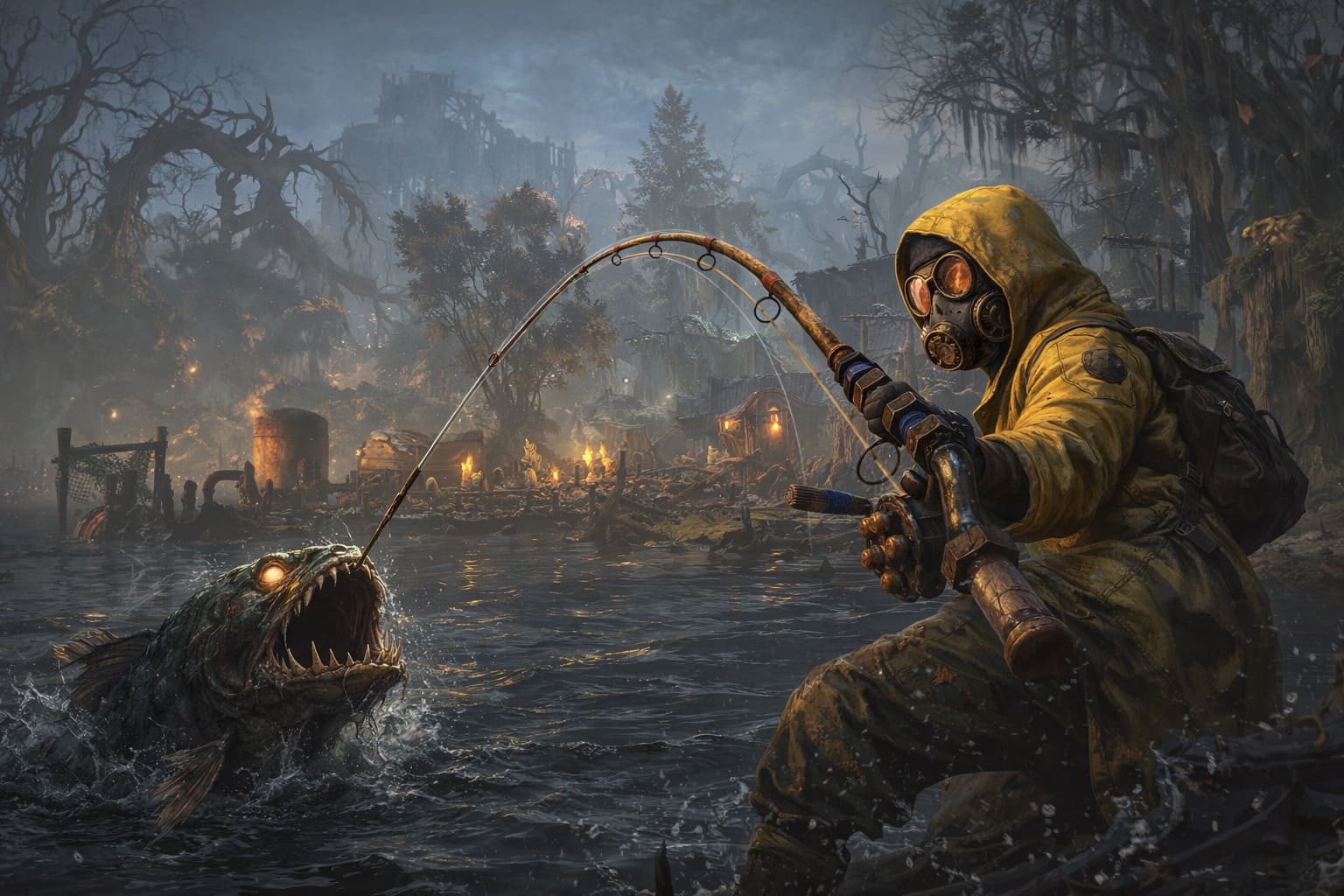
Fishing in Dreadmoor isn’t one-size-fits-all. Different habitats require specialized rods, nets, and crab pots. Advanced gear offers higher capacity, durability, and access to rare catches, adding a layer of strategy to the game.
Tip: Experiment with combinations to discover rare mutated fish—some may even hold blueprints for further upgrades.
4. Defensive Armament
Yes, this is a fishing game—but don’t expect peaceful waters. Dreadmoor features real-time combat against both mutated sea creatures and hostile land-based threats. Reinforced harpoons and other defensive weapons are essential for survival.
My Take: The combat feels balanced—enough to keep you on edge without turning the game into a pure shooter.
5. Utility & Survival Tools
From lighting systems to dredging equipment, these tools are often overlooked but incredibly valuable. Nighttime in Dreadmoor is dangerous, and proper lighting reduces ambush risks. Specialized dredging tools allow you to explore shipwrecks, uncovering valuable blueprints for further ship improvements.
Quick Tip: Don’t underestimate utility upgrades—they often make the difference between a profitable expedition and a total loss.
Early Playtests: Your Chance to Jump In
For gamers eager to get hands-on, Dreadmoor’s developers have been running pre-alpha tests and are preparing for larger sessions. Here’s how to secure a spot:
- Steam “Request Access” – Visit the DREADMOOR Steam page and click the “Join the DREADMOOR Playtest” box. This adds you to the pool of potential testers.
- Discord Alerts – The official Discord server shares live updates about upcoming tests. Active participants often get early access notifications.
- Steam News Feed – Following the game ensures you won’t miss announcements with exact test dates and registration instructions.
Requirements: All early playtests are PC-only via Steam and conducted in English. Participation requires an NDA, and progress from early builds won’t carry over to the final release.
Personal Advice: Even if you’re not a hardcore tester, joining the playtest is a unique chance to shape game development while enjoying early access to new mechanics.
Thoughts on Gameplay and Longevity
What excites me most about Dreadmoor is the combination of survival, strategy, and combat on a modular ship system. You’re not just fishing—you’re managing resources, upgrading a vessel, and facing unpredictable threats. This blend of mechanics gives the game long-term appeal: even routine expeditions feel tense and rewarding.
Highlights That Stand Out:
- Risk vs Reward: Bigger hauls are tempting, but mutated predators can wipe out your cargo.
- Exploration Incentives: Wrecks and ruins hide rare blueprints, making exploration worth the risk.
- Combat Integration: Harpoons and defense tools aren’t gimmicks—they’re survival essentials.
For anyone who enjoys thoughtful, strategic gameplay with an edge of danger, Dreadmoor promises to be an unforgettable journey.
Quick Reference: Ship Upgrade Table
| Upgrade Category | Purpose | Key Benefit | Notes |
|---|---|---|---|
| Hull | Cargo space | More storage | Watch for mutated catches |
| Engine | Speed & handling | Faster travel | Helps maneuver in heavy ships |
| Fishing Gear | Access habitats | Higher capacity & durability | Unlocks rare catches |
| Armament | Defense | Protect ship & crew | Real-time combat |
| Utility Tools | Survival & exploration | Safer night travel, blueprints | Often overlooked but vital |
In conclusion, Dreadmoor combines survival, strategy, and creativity in a way that’s rare in current fishing or adventure games. Whether you’re planning to join the early playtests or just following development, paying attention to ship upgrades and survival tools is crucial. From my perspective, it’s shaping up to be a game that rewards patience, planning, and a little daring.