Crossplay in Aliens Fireteam Elite 2: Will it Fix the First Game’s Mistakes?
If you’ve spent as many hours as I have in co-op shooters over the years—from the chaos of Left 4 Dead to the grindy intensity of Warhammer 40,000: Darktide—you start to notice one thing very clearly: crossplay isn’t a “feature” anymore.
It’s the backbone of whether a game survives beyond its launch hype.
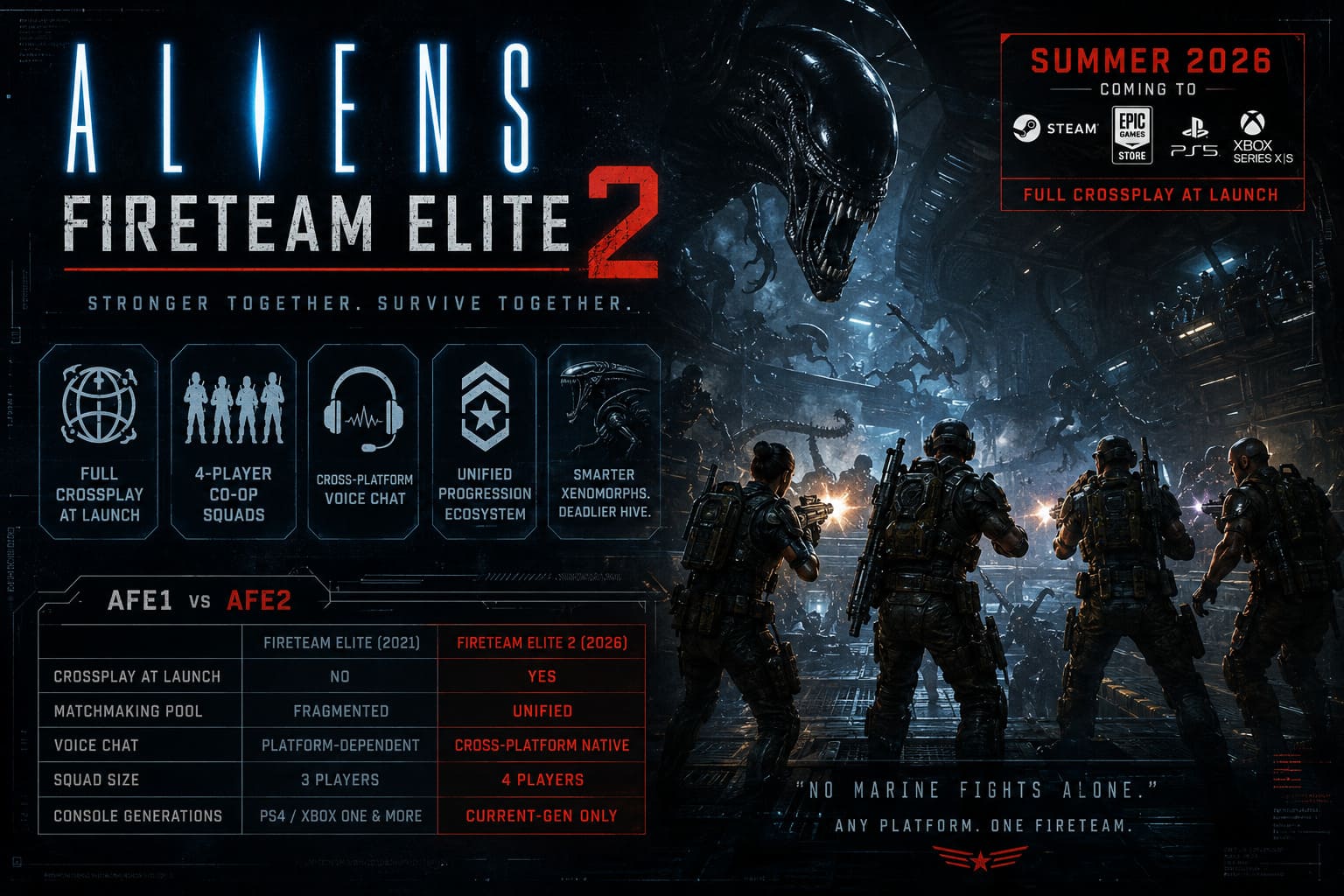
So when Aliens: Fireteam Elite 2 was officially announced for Summer 2026, the first thing I looked for wasn’t weapons, classes, or even Xenomorph evolution. It was simple: can I finally play with my friends without platform walls getting in the way?
And thankfully, the answer—at least on paper—is yes. But the real story is more interesting than a simple “crossplay confirmed.”
Aliens Fireteam Elite 2 Performance Breakdown: Unreal Engine 5 & PC Requirements
A Sequel That Clearly Learned From the First Game
Let’s be honest: the original Aliens: Fireteam Elite had potential, but it stumbled in ways that only became obvious after the honeymoon phase ended.
I remember trying to keep that game alive with friends across different platforms. It wasn’t terrible, but it felt fragmented. You’d have PlayStation players here, PC players there, Xbox players waiting for updates—like the colony had been split into different locked rooms.
The biggest issue wasn’t gameplay. It was connection friction.
By the time full crossplay was patched in much later, a lot of the casual audience had already moved on.
That’s why the sequel’s approach feels so different. It’s not “crossplay added later.” It’s crossplay built into the foundation.
Crossplay at Launch: Finally the Right Move
From everything currently confirmed, Aliens: Fireteam Elite 2 will support full cross-platform play from day one.
This includes PC (Steam and Epic Games Store), PlayStation 5, and Xbox Series X|S. No delays. No staggered rollout. No seasonal patch excuses.
As someone who’s seen co-op games die from split matchmaking pools, this is honestly the smartest decision Cold Iron Studios could make.
But what matters more is why this change works now.
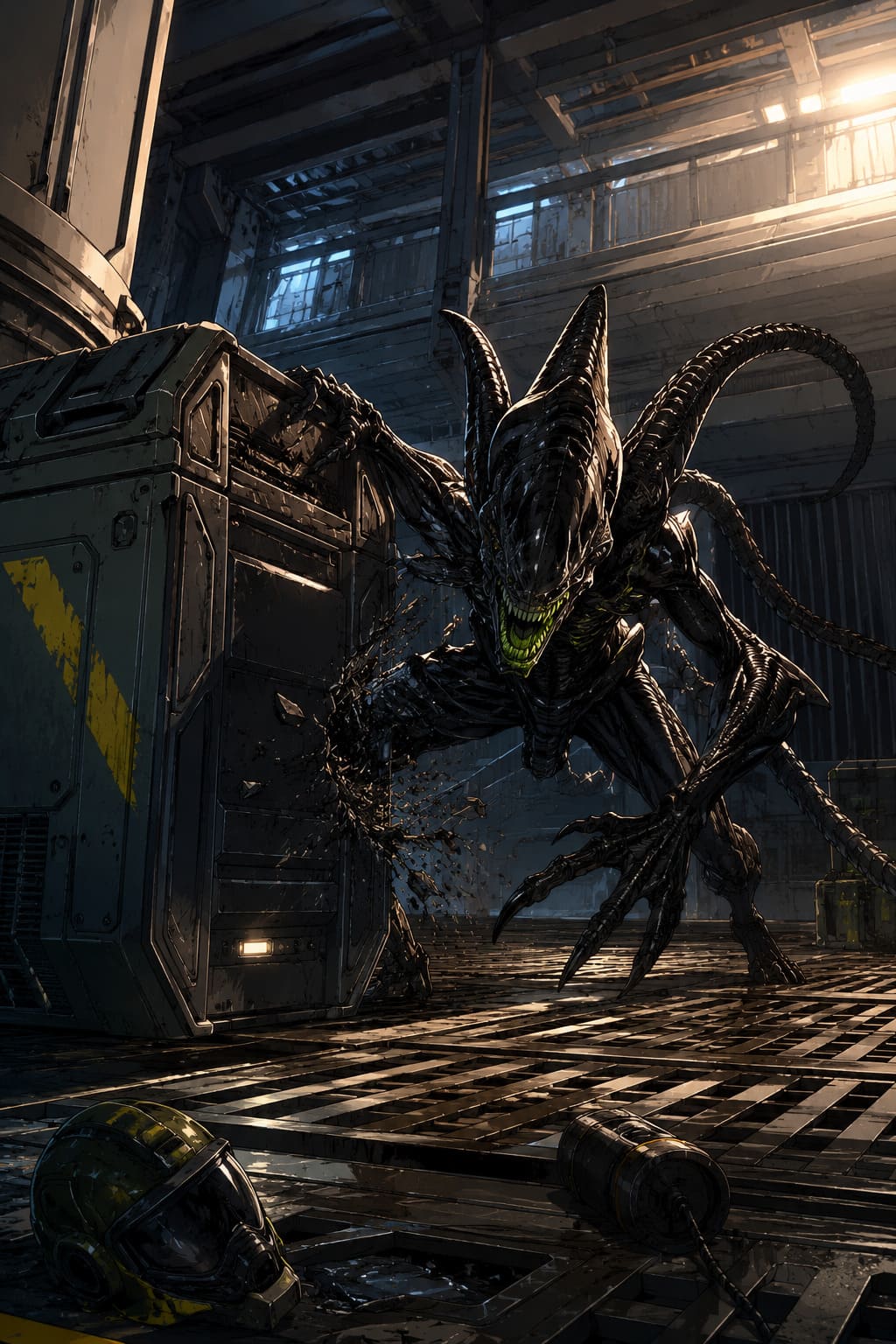
Why Crossplay Matters More in AFE2 Than in Most Shooters
The sequel isn’t just adding polish—it’s increasing scale.
The move from 3-player squads to 4-player co-op changes everything. It sounds small on paper, but in practice it dramatically shifts matchmaking requirements.
More players per squad means longer queue dependency on active population, higher risk of empty lobbies, and more reliance on bots if the ecosystem is fragmented.
Crossplay fixes all of that by merging the entire player base into one ecosystem.
And honestly, after playing enough modern PvE shooters, I can say this without hesitation: a co-op game without crossplay in 2026 is basically choosing slow decline.
What Feels Different This Time
Even without holding the controller yet, there’s a noticeable design shift in how Fireteam Elite 2 is being positioned.
Key Improvements at a Glance
- Unified matchmaking from day one
- No legacy console limitations (PS4/Xbox One dropped)
- Stronger emphasis on squad synergy
- Built-in cross-platform voice chat
- Live-service structure designed around shared progression pools
That last point is important. Because crossplay only works when the ecosystem around it is unified too—not just the servers.
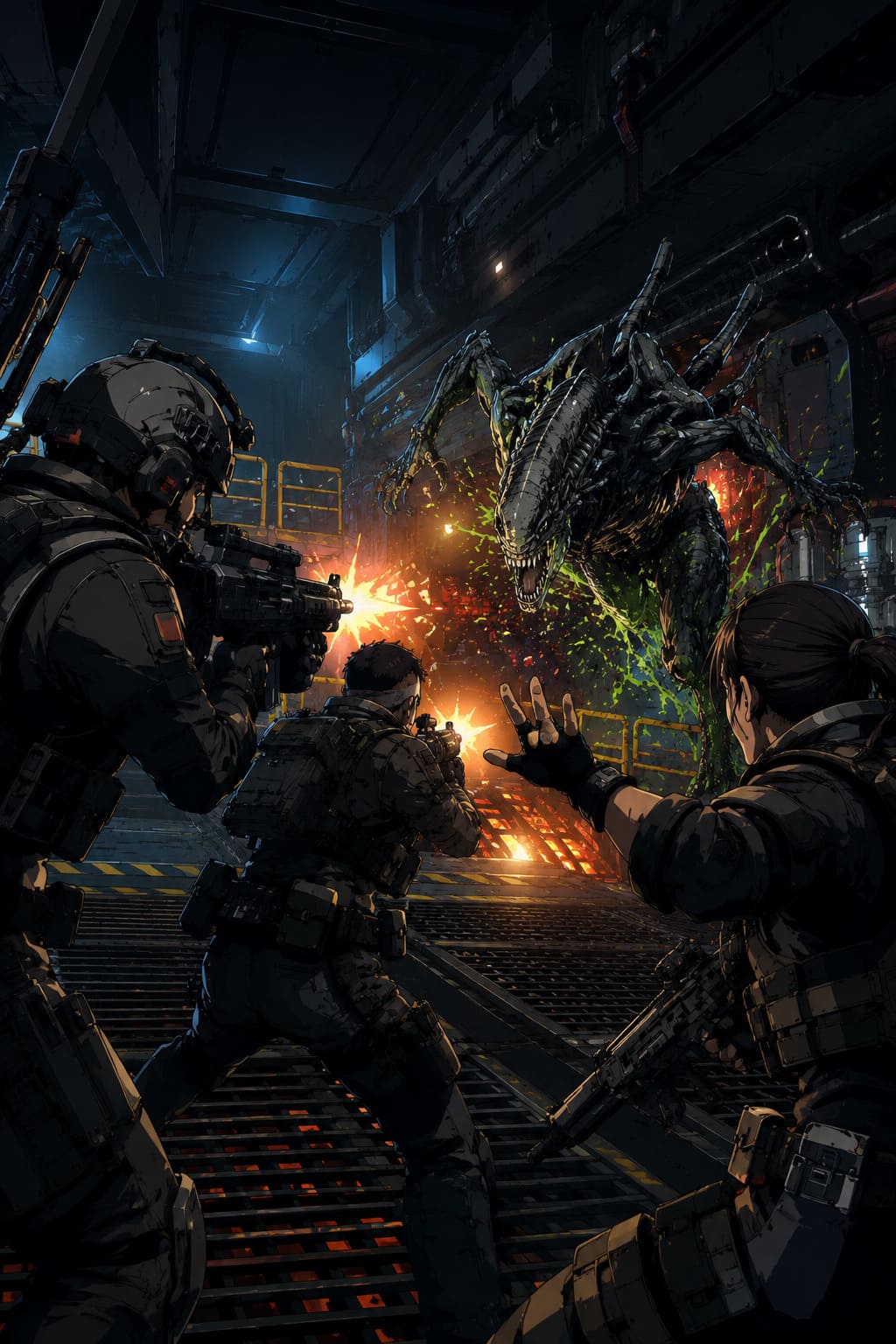
Comparison: AFE1 vs AFE2 Crossplay Philosophy
| Feature | Fireteam Elite (2021) | Fireteam Elite 2 (2026) |
|---|---|---|
| Crossplay at Launch | No | Yes |
| Crossplay Scope | Partial (later update) | Full global support |
| Matchmaking Pool | Fragmented | Unified |
| Voice Chat | Platform-dependent | Cross-platform native |
| Squad Size | 3 players | 4 players |
| Console Generations | PS4 / PS5 / Xbox One / Series | Current-gen only |
This table shows not just improvement, but intentional redesign. The sequel is clearly built around avoiding the mistakes of fragmentation.
Community Reaction: Hope Mixed With Memory
If you browse forums or Reddit discussions, you’ll notice a pattern. People are excited—but cautious.
Veterans of the first game remember long matchmaking times on smaller platforms, late arrival of crossplay, and AI teammates filling gaps when servers were empty.
So even with strong early signals, there’s still a “we’ve been burned before” attitude.
But the tone is different this time. Less skepticism, more “don’t mess this up again.”
New Systems That Actually Benefit From Crossplay
Crossplay isn’t just a matchmaking feature here—it supports design changes too.
Specialist Class Flexibility
The new hybrid system lets players mix abilities from different roles. That only really shines when you have a large, diverse player pool.
Improved Xenomorph AI
Enemies now adapt more aggressively to team behavior. That means matches need real players, not predictable bots.
Annihilation Mode
This new Horde-style mode is built for long-term replayability and depends heavily on an active player ecosystem to stay relevant.
The One Missing Piece: Cross-Progression
Here’s where things are still unclear. Crossplay is confirmed, but cross-progression is not fully detailed yet.
As someone who has lost progress between platforms in other games, this is a major factor. Without it, players remain partially locked into their original system even if they can play together.
Current situation looks like this: crossplay confirmed at launch, cross-progression uncertain, account linking likely but not detailed.
Final Thoughts
If you’re a co-op shooter fan, Aliens: Fireteam Elite 2 is worth watching—not because it reinvents the genre, but because it finally fixes one of its most persistent structural problems: fragmentation.
In a game about surviving overwhelming alien threats, it feels fitting that the biggest improvement isn’t a weapon or class—it’s ensuring no Marine fights alone because of platform choice.
Crossplay doesn’t make a game great on its own. But it does make sure the game has enough people in it for greatness to actually matter.