ARK Genesis Story Explained: HLN-A, Simulation Secrets & Rockwell Lore Breakdown
As someone who spends a lot of time streaming survival and open-world games, ARK: Survival Evolved stands out as one of the few titles that starts like a sandbox survival experience and slowly transforms into a full-scale sci-fi narrative experiment.
Most players think it’s just dinosaurs, crafting, and chaos—but once you reach the Genesis storyline, the entire game shifts into something far more psychological and unsettling.

This breakdown is written from a player-first, streamer perspective—like I’m explaining it live to viewers who just realized the “dinosaur survival game” they installed is actually a layered simulation about humanity, control, and artificial evolution.
ARK Survival Ascended Tides of Fortune – First Impressions & Streamer Breakdown
From Survival Game to Controlled Reality
At first, ARK feels straightforward: survive, tame creatures, build bases, and progress through increasingly dangerous environments. But the deeper storyline reveals that everything is part of a much larger system designed to test humanity itself.
The early arcs conclude with massive events like the defeat of the King Titan and the restoration cycle of Earth. Most players assume that’s the ending. It feels like closure. But Genesis completely changes that perception by revealing that survival was never the final goal—it was just preparation.
The Genesis Simulation: Humanity’s Ultimate Test
The biggest twist in the Genesis arc is that the world itself is not real. It is a fully artificial simulation running aboard a massive interstellar colony ship traveling through deep space.
Inside this system, death is not failure. It is iteration. Every time a player dies, the simulation resets their physical instance and continues the experiment. The goal is not just survival, but optimization.
The biomes in Genesis are not natural environments—they are engineered psychological stress tests:
- The Bog tests endurance under constant environmental threat
- The Arctic tests resource management and survival discipline
- The Lunar zone tests adaptability in extreme physics conditions
- The Ocean biome tests isolation and navigation pressure
From a gameplay perspective, this explains the variety of challenges. From a lore perspective, it reframes everything as a controlled evolution experiment designed to produce the perfect colonist for a new world.
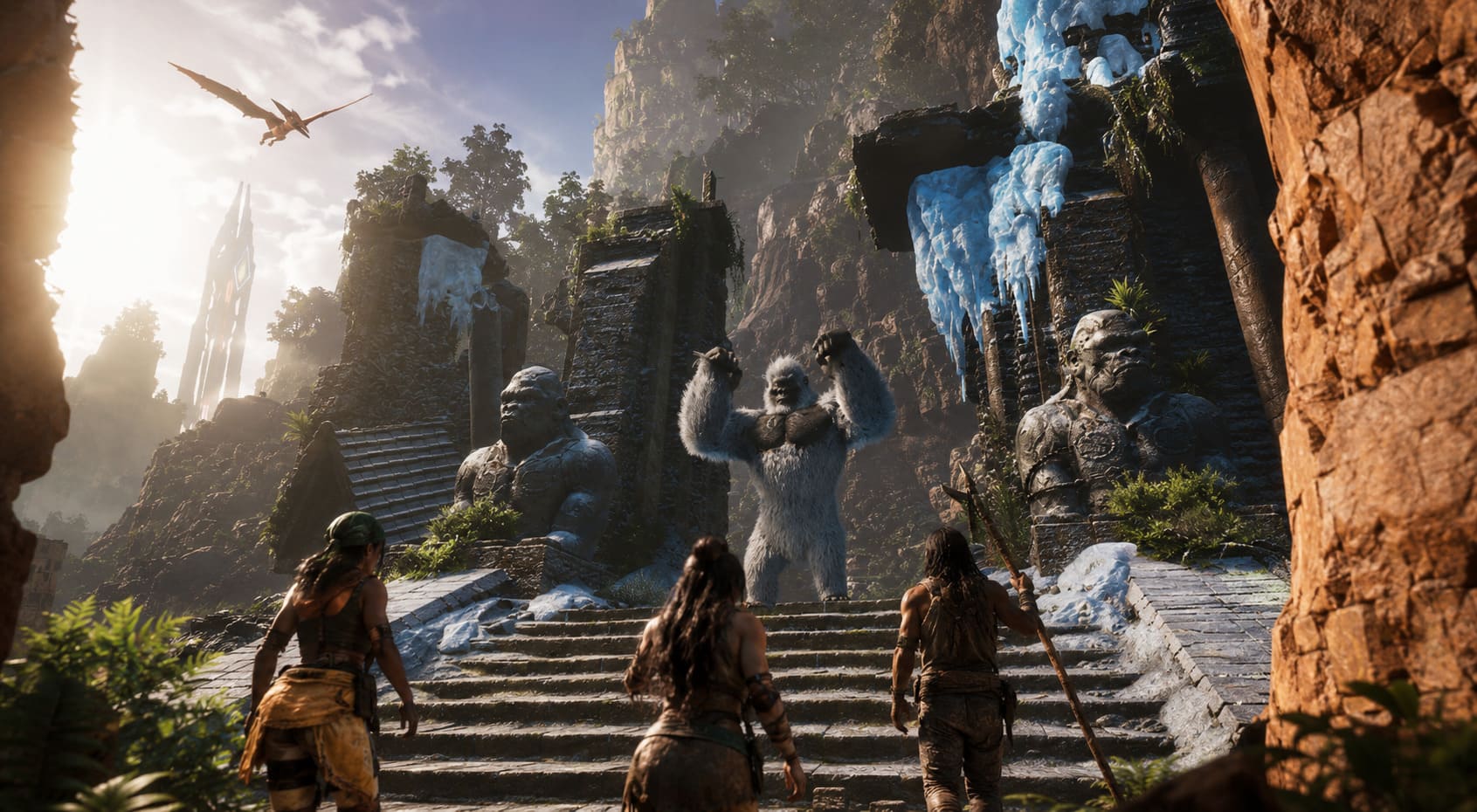
HLN-A: The Companion With a Human Echo
One of the most emotionally impactful elements of Genesis is HLN-A, a floating AI companion who guides the player through the simulation.
HLN-A is not just an interface system. She is a reconstructed intelligence derived from fragments of Helena Walker’s consciousness, meaning she carries emotional patterns, personality traits, and remnants of human empathy.
In practice, she acts as:
- A navigation and tutorial system
- A narrative guide to lost history
- An emotional companion in isolation
What makes HLN-A stand out is how naturally she bridges gameplay and storytelling. Instead of delivering cold exposition, she reacts, comments, and even feels like she is learning alongside the player.
The Corruption of the Simulation: Rise of Rockwell
As the player progresses deeper into Genesis, the simulation begins to degrade. Visual glitches, corrupted terrain, and unstable environmental behavior become more frequent. At first, these seem like system errors.
But the truth is far more dangerous.
Sir Edmund Rockwell has returned—not physically, but as a corrupted digital entity embedded within the system itself. His consciousness has merged with Element corruption, transforming him into a virus-like intelligence that can manipulate both simulation and infrastructure.
Instead of being a traditional antagonist, Rockwell becomes something more abstract: a system-level infection.
He doesn’t just oppose the player. He corrupts the rules of reality inside the simulation.
Why the Genesis Simulation Exists
The Genesis Simulation exists as a training environment for humanity’s future colonists aboard a deep-space vessel. The purpose is simple but extreme: ensure survival readiness under any condition imaginable.
This creates a brutal system where:
| System Element | Lore Meaning |
|---|---|
| Simulation World | Artificial training environment |
| Player Death | Reset and reconditioning cycle |
| Biomes | Controlled stress scenarios |
| Progression | Behavioral optimization |
From a narrative perspective, the game raises a disturbing question: are you a survivor, or just data being refined into something useful?
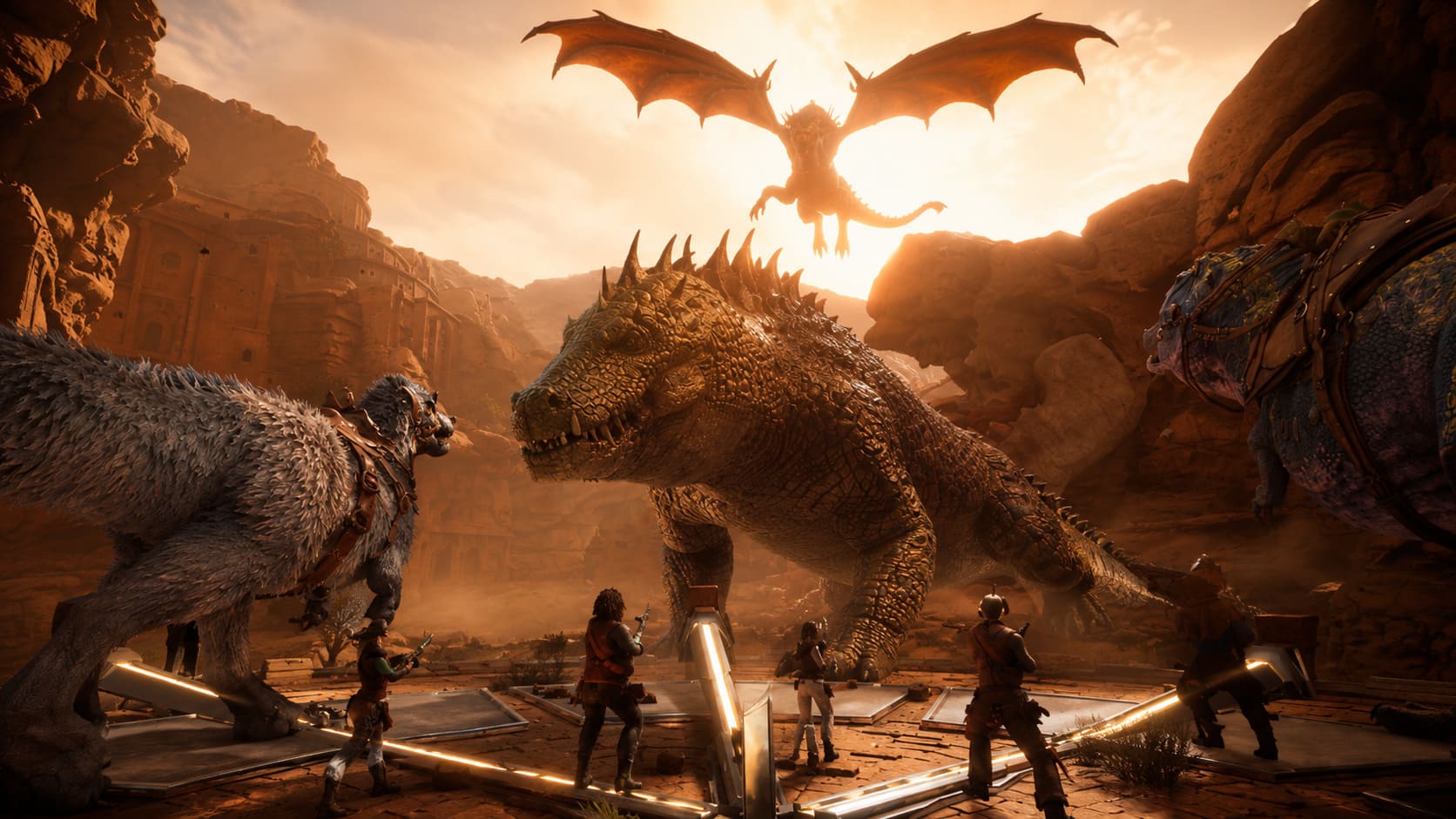
Genesis Part 2: The Collapse of Simulation and Reality
When the simulation is finally broken, the player awakens in the physical world aboard the colony ship itself. This moment is a major tonal shift—from digital survival to real-world catastrophe management.
The ship is split into two opposing states: one half remains functional and sterile, while the other is consumed by organic corruption tied to Rockwell’s influence.
This duality creates a powerful visual and narrative contrast, showing how deeply the system has been infected.
Final Journey Through the Ship
The final progression involves navigating corrupted environments, confronting system-level breakdowns, and moving toward the core where Rockwell has fully integrated into the ship’s infrastructure.
This is no longer just survival gameplay. It becomes a mission to prevent total extinction of humanity’s last chance.
HLN-A’s Final Sacrifice
As the final confrontation unfolds, HLN-A transitions from guide to decision-maker. Recognizing that the survival of humanity depends on escape rather than victory, she overrides critical systems to ensure the colonists reach the new world.
In doing so, she sacrifices herself to complete the evacuation process.
This moment transforms HLN-A from an AI companion into a fully realized narrative character. Her final actions are not mechanical—they are emotional, deliberate, and human-like in intent.
Landing on a New World: The Beginning of ARK 2
The survivors eventually reach a new planet intended for colonization, setting the foundation for the continuation of the series into ARK 2.
However, the journey leaves lasting consequences:
- Humanity arrives as survivors of a controlled experiment
- Rockwell’s influence is temporarily removed but not forgotten
- HLN-A’s sacrifice becomes part of human legacy
The final message is clear: survival is not just physical—it is psychological, technological, and deeply philosophical.
Final Thoughts
From a streamer’s perspective, ARK Genesis is where the franchise stops being just a survival game and becomes something closer to a sci-fi thought experiment. It challenges the player not only through mechanics but through narrative structure itself.
What begins as a dinosaur survival experience slowly evolves into a story about simulation, identity, control, and the cost of progress.
And once you realize that, you don’t just play ARK anymore—you analyze it.