Witchfire Revelations Update Review – A Turning Point for the Dark Fantasy Shooter
The Witchfire “Revelations” update (0.9) doesn’t feel like a typical Early Access patch. It feels like a reset in momentum, the kind of update where a game quietly starts becoming what it was always meant to be. After spending time with it and following community discussions, it’s clear this is a major step toward the full 1.0 release.
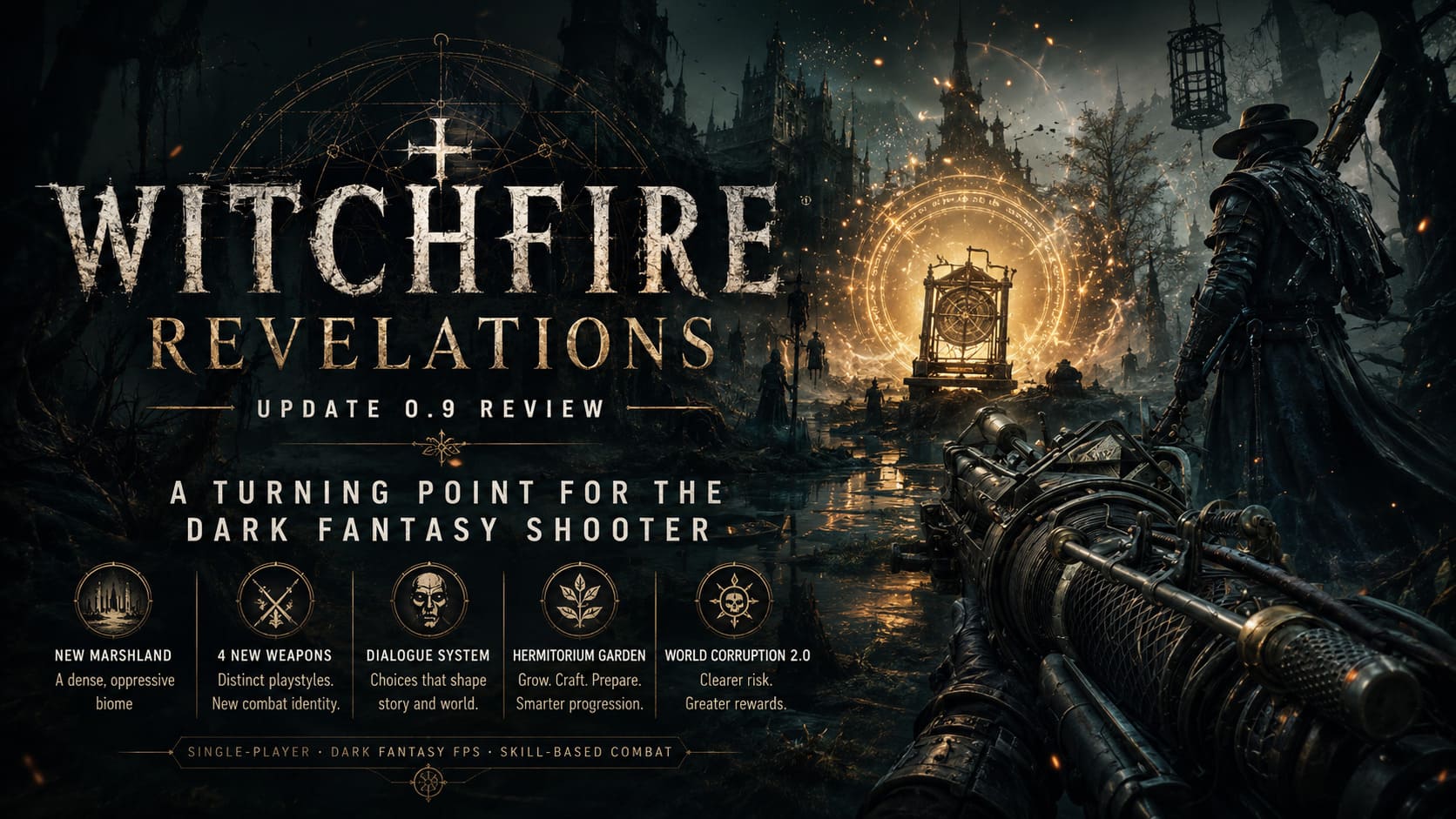
Developed by The Astronauts, a studio formed by industry veterans behind titles like Painkiller and Bulletstorm, Witchfire has always been about one thing: tight, skill-based gunplay wrapped in a dark, oppressive fantasy world. Revelations doesn’t change that core identity—it strengthens it and builds a much more structured experience around it.
Witchfire on Steam vs Epic Games Store: Which Version Is Worth It in 2026?
A Patch That Feels Like a Structural Shift
Calling Revelations just “new content” would be misleading. It introduces systems that reshape how players experience progression, exploration, and narrative delivery.
The most noticeable change is tone. Witchfire used to communicate almost everything through environmental storytelling. Now it actually engages the player directly through systems, dialogue, and meaningful choices.
This shift changes pacing, structure, and even how long-term progression feels.
The Marshland: The Most Atmospherically Dense Area Yet
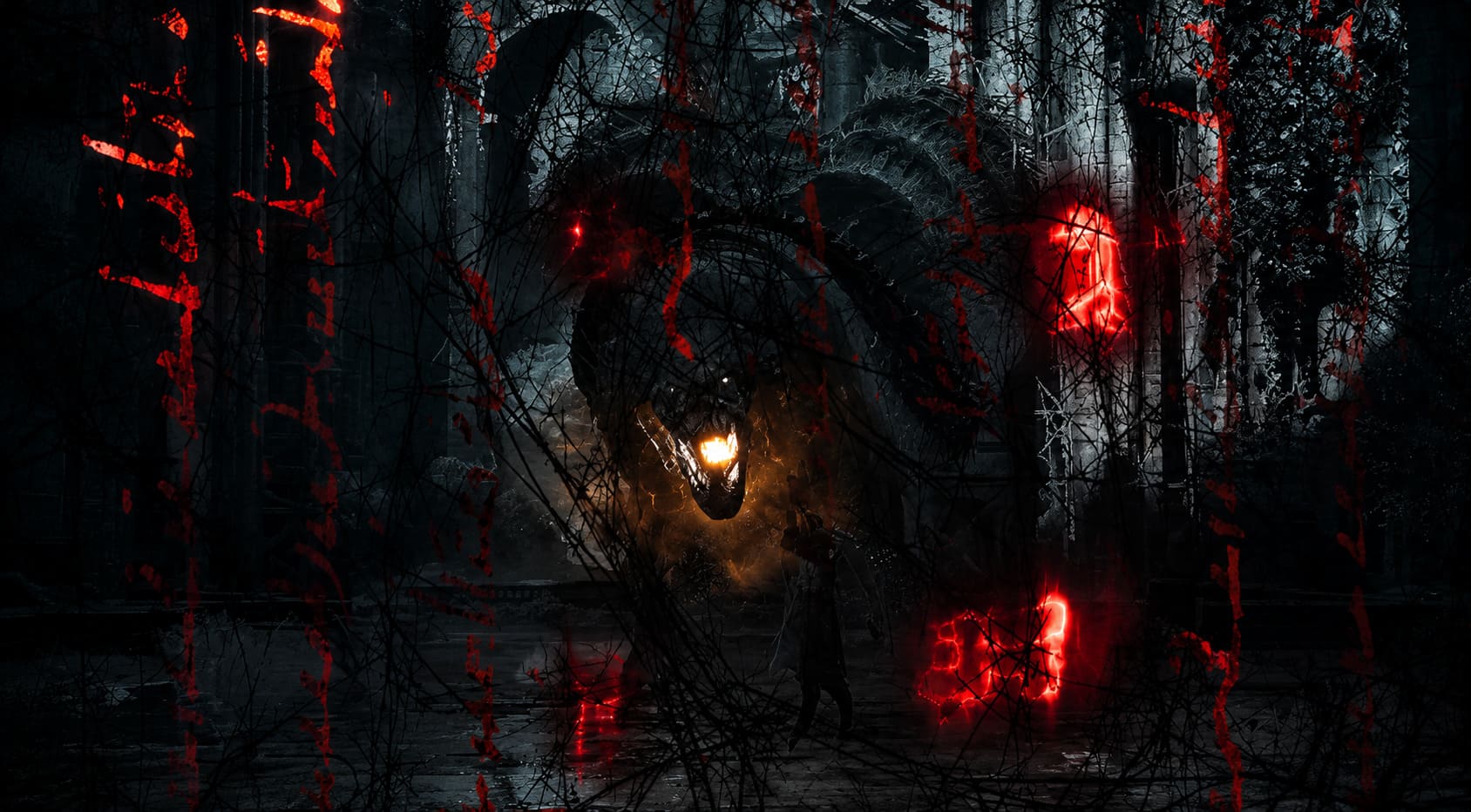
The highlight of the update is the new Marshland biome, and it might be one of the most oppressive and memorable areas in the game so far.
Instead of clean, readable combat arenas, the Marshland is chaotic, dense, and intentionally uncomfortable to navigate. It forces adaptation rather than comfort.
Key characteristics of the Marshland
- Low visibility and heavy environmental fog
- Ambush-heavy enemy placements
- Complex terrain built around ruins and wetlands
- High-risk exploration routes with layered rewards
There’s also a late-game zone often referred to as the Outskirts Vault, designed for optimized builds and high-risk resource runs. It feels like a test area for players who already understand the game’s systems deeply.
Dialogue System: Witchfire Finally Speaks Back
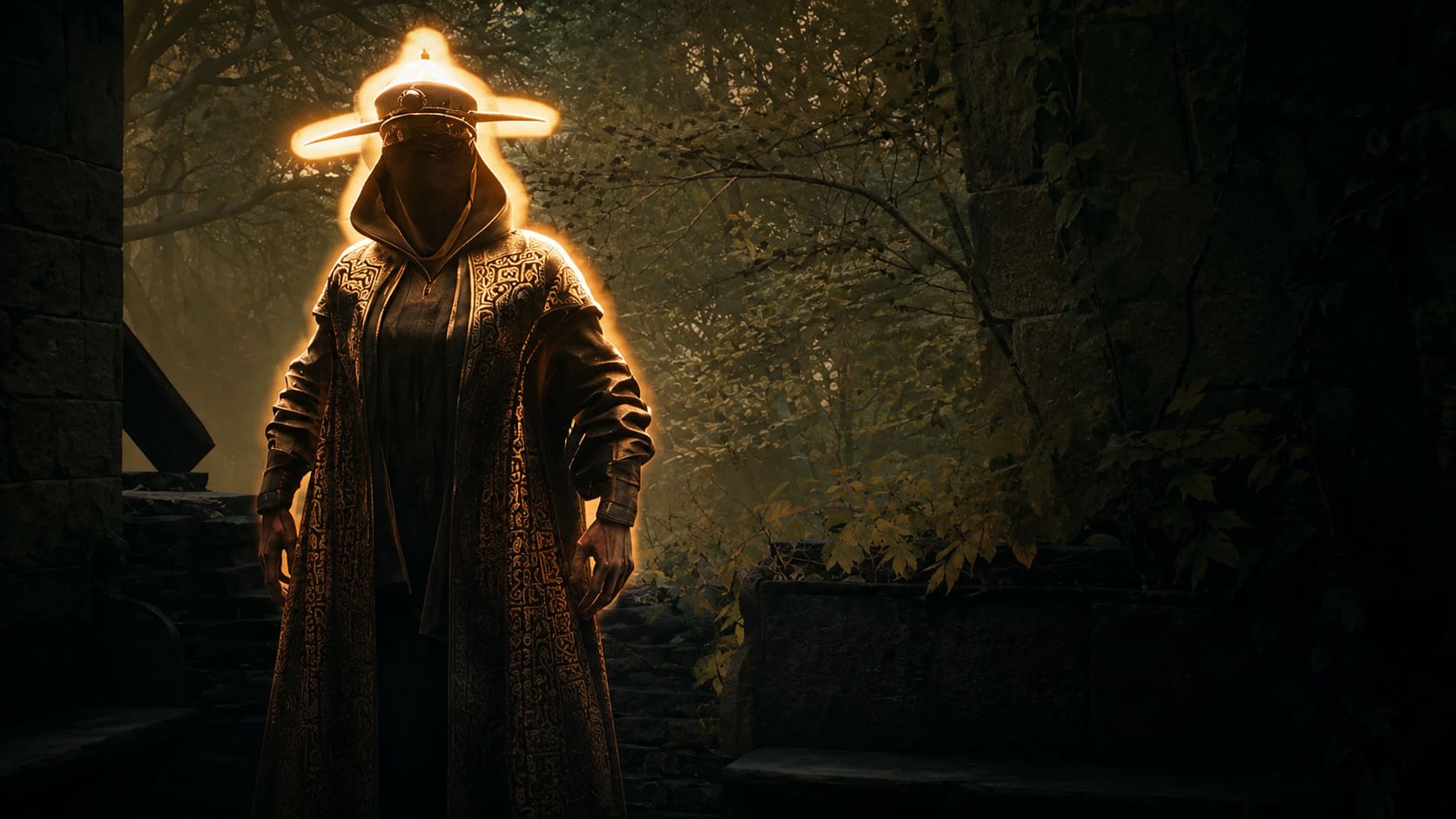
One of the most unexpected additions is the new interactive dialogue system involving Fallen Preyers. This changes Witchfire from a mostly silent narrative experience into something more reactive and structured.
Previously, lore was delivered indirectly—through item descriptions, environments, and implication. Now, players actively engage with characters and make decisions that influence both narrative tone and gameplay context.
This adds a new identity layer to the player: not just a combat-focused hunter, but also an investigator interpreting the past of fallen figures.
Weapon Expansion: More Identity, Less Redundancy
The update introduces four major weapons, and what stands out is how distinct they are from each other. Instead of small variations, each weapon pushes a different combat philosophy.
| Weapon | Playstyle | Core Mechanic |
|---|---|---|
| Heart Eater | Precision / Critical hits | Charges chain lightning through weak-point hits |
| Corpse Eater | Aggressive close-range combat | Damage scales with kill momentum |
| Soul Eater | Utility / control | Reveals enemies and enables tactical stuns |
| Tempest | Crowd control | Continuous electrical beam damage |
What makes this system work is clarity of identity. Each weapon pushes a different rhythm, which makes builds feel more meaningful instead of interchangeable.
The Hermitorium Garden: A Slower, Smarter Loop
The Hermitorium receives one of the most underrated additions in the update: the Garden system. It introduces a more relaxed progression layer between combat runs.
Players can now grow resources from seeds collected during missions, which are later used to craft incense buffs for future expeditions.
Why it matters
This system reduces repetitive grinding and introduces a more strategic resource loop. Instead of constantly farming materials, players gradually build advantages over time.
World Corruption 2.0: Better Risk and Reward Structure
The updated World Corruption system changes how difficulty escalates during runs. Instead of feeling random or punishing, it now reacts more clearly to player decisions.
This creates a more readable risk-reward structure where progression feels earned rather than imposed.
Single-Player Identity Remains Intact
The developers have confirmed that Witchfire will remain strictly single-player. No co-op, no PvP, and no hybrid multiplayer systems are planned.
This decision reinforces the game’s identity as a focused, atmospheric shooter built around personal mastery rather than shared progression.
Final Thoughts
Revelations feels like a transition point rather than just an update. Witchfire is no longer just experimenting with ideas—it’s assembling a complete structure.
The Marshland expands exploration, the weapon system deepens combat identity, and the dialogue mechanics introduce narrative weight that was previously missing.
It still feels challenging and sometimes brutal, but now it also feels intentional in a way Early Access builds often struggle to achieve.
If earlier versions were about testing systems, Revelations is about locking them in.