Windrose Tumbaga Ingot Guide: All Locations & Farming Methods
There comes a point in every survival RPG where your gear suddenly feels useless. In Windrose, that moment hits hard the second you leave the comfort of the early islands and start fighting elite enemies, cursed captains, and armored swamp horrors. Your trusty Rare sword? Barely scratching enemies. Ship cannons? Feels like you’re throwing coconuts at a fortress.
That’s when the real grind begins — and it all revolves around one material: Tumbaga Ingots.
If you’ve already searched every mine, furnace, and crafting station wondering why you can’t smelt this stuff yourself, you’re not alone. Windrose intentionally treats Tumbaga like an ancient relic instead of a normal crafting metal. And honestly? I kind of love that design choice. It makes every ingot feel important.
After spending dozens of hours exploring ruins, ruining ship durability in swamp waters, and probably dying more times than I’d admit on Reddit, I can confidently say this material is the true gatekeeper of the endgame.
So here’s the real player-to-player breakdown of where to find Tumbaga Ingots, what they’re actually worth using on, and the smartest farming methods that won’t waste your entire weekend.
Why Tumbaga Ingots Matter So Much
The first mistake new players make is burning their ingots on random upgrades too early.
Don’t do that.
Tumbaga is essentially your Epic-tier currency. Once you start using advanced crafting stations, this alloy becomes mandatory for pushing gear beyond standard Rare quality.
And the jump is massive.
We’re not talking about tiny +3 damage increases. Epic ascension in Windrose completely changes combat feel. Weapons gain new effects, stronger scaling, and sometimes entirely new mechanics.
Some upgrades genuinely feel game-changing:
- Rapier of a Thousand Cuts becomes absurdly fast for bleed builds
- Bonebreaker Greatsword turns into a stagger monster
- Drake’s Double-Barreled Pistol starts deleting weaker mobs instantly
- Heavy ship cannons become devastating during naval fights
The same goes for jewelry crafting. Late-game rings and necklaces demand ridiculous amounts of Tumbaga, but the stat boosts are honestly worth it.
I ignored jewelry for way too long on my first character. Huge mistake.
Once you stack stamina regen and survivability bonuses correctly, the combat suddenly becomes much smoother — especially inside cramped ruin dungeons where rolling around like a maniac stops working.
Best Tumbaga Ingot Locations in Windrose
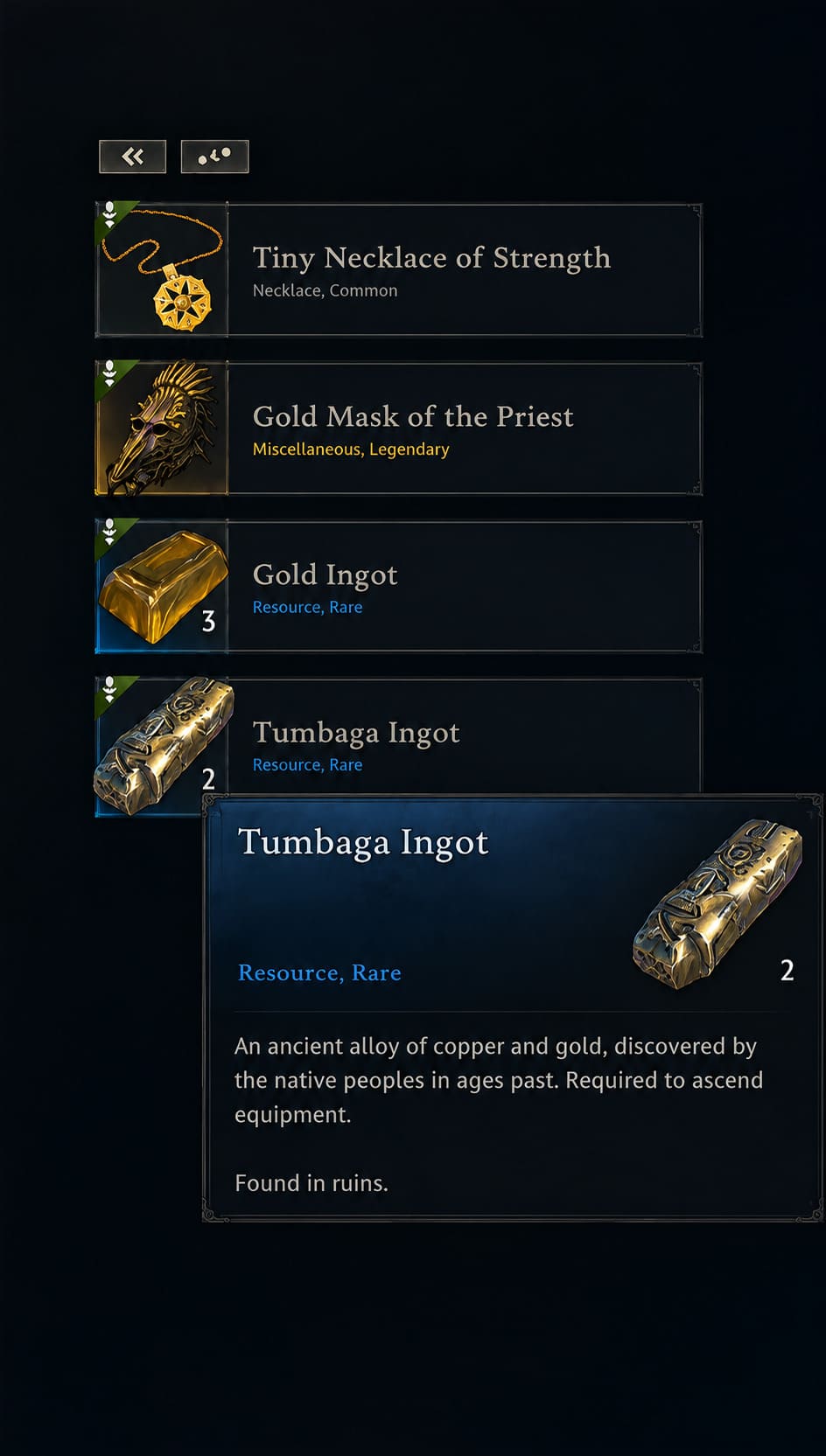
Unlike iron or copper, you cannot simply mine Tumbaga ore.
The game hides it almost entirely inside ancient ruins, vaults, and elite exploration zones. Think of it less like mining and more like treasure hunting.
Here’s how the progression usually works.
Early Game: Small Rewards, Big Importance
The opening regions barely contain any Tumbaga naturally. At first this feels annoying, but it’s clearly intentional pacing from the developers.
The game wants your first Epic upgrade to feel special.
Windrose Stargazer Tower Puzzle Solution: Fate of the Prophets Quest Guide
Best Early Sources
| Activity | Average Ingots | Difficulty | Worth It? |
|---|---|---|---|
| Eyes Wide With Fear Quest | 1 | Easy | Yes |
| Fate of the Prophets Vault | 3-5 | Medium | Absolutely |
| Random Early Ruins | 0-1 | Low | Not Reliable |
The “Fate of the Prophets” questline is honestly the first major jackpot.
The underground brazier puzzle dungeon is memorable enough already, but the hidden vault afterward contains one of the earliest large Tumbaga rewards in the game. If you’re rushing progression and skipping side content, you can easily miss it.
And that would hurt later.
Mid-Game Farming: Foothills Region Is the Real Grind
This is where Windrose suddenly becomes addictive.
Once you unlock the Foothills, the game finally starts rewarding exploration properly. Ancient structures become larger, deadlier, and much more profitable.
This is also the point where I realized the game secretly wants you to become a loot goblin.
Trial Circle Ruins
These are arguably the best mid-game locations overall.
They usually contain:
- Multiple Ancient Chests
- Elite enemy waves
- Hidden basement chambers
- Puzzle doors
- High-value loot clusters
A good Trial Circle run can easily produce 4–12 Tumbaga Ingots depending on procedural generation.
Not every ruin is equal though.
Some seeds are unbelievably generous while others feel completely cursed. I once cleared an entire ruin using half my healing supplies just to walk away with two ingots and emotional damage.
Still worth it.
Fire Sanctuaries
These are much more dangerous than standard ruins.
Tight corridors, vertical platforming, traps, fire hazards — the whole place feels designed to punish greedy players. Which, naturally, describes most of us farming Tumbaga.
The reward quality is usually excellent though.
Most sanctuary clears give around:
| Location Type | Expected Yield | Risk Level |
|---|---|---|
| Small Sanctuary | 3-4 Ingots | Medium |
| Large Sanctuary | 4-5 Ingots | High |
| Elite Sanctuary Depths | 6+ Ingots | Very High |
Bring healing items. Seriously.
The enemy density inside sanctuary interiors gets ridiculous fast.
Best Quagmire Powder Farm in Windrose: Fast Routes and Locations Guide
The Cursed Swamp Changes Everything
Here’s the point where Tumbaga stops feeling “rare.”
Once you enter the Cursed Swamp biome, the economy of the game completely shifts. Suddenly you start realizing the developers intended this area to be the long-term farming zone.
The atmosphere alone deserves praise.
Fog everywhere. Rotting ruins. Undead patrols wandering through flooded temples. It honestly feels like Windrose at its best.
And this biome contains the single best legitimate Tumbaga farming route in the game.
The Infinite Tumbaga Farm Most Players Miss
A lot of players think Ancient Chests are the only source of ingots.
That’s wrong.
The real secret is hidden inside the secondary breakable containers.
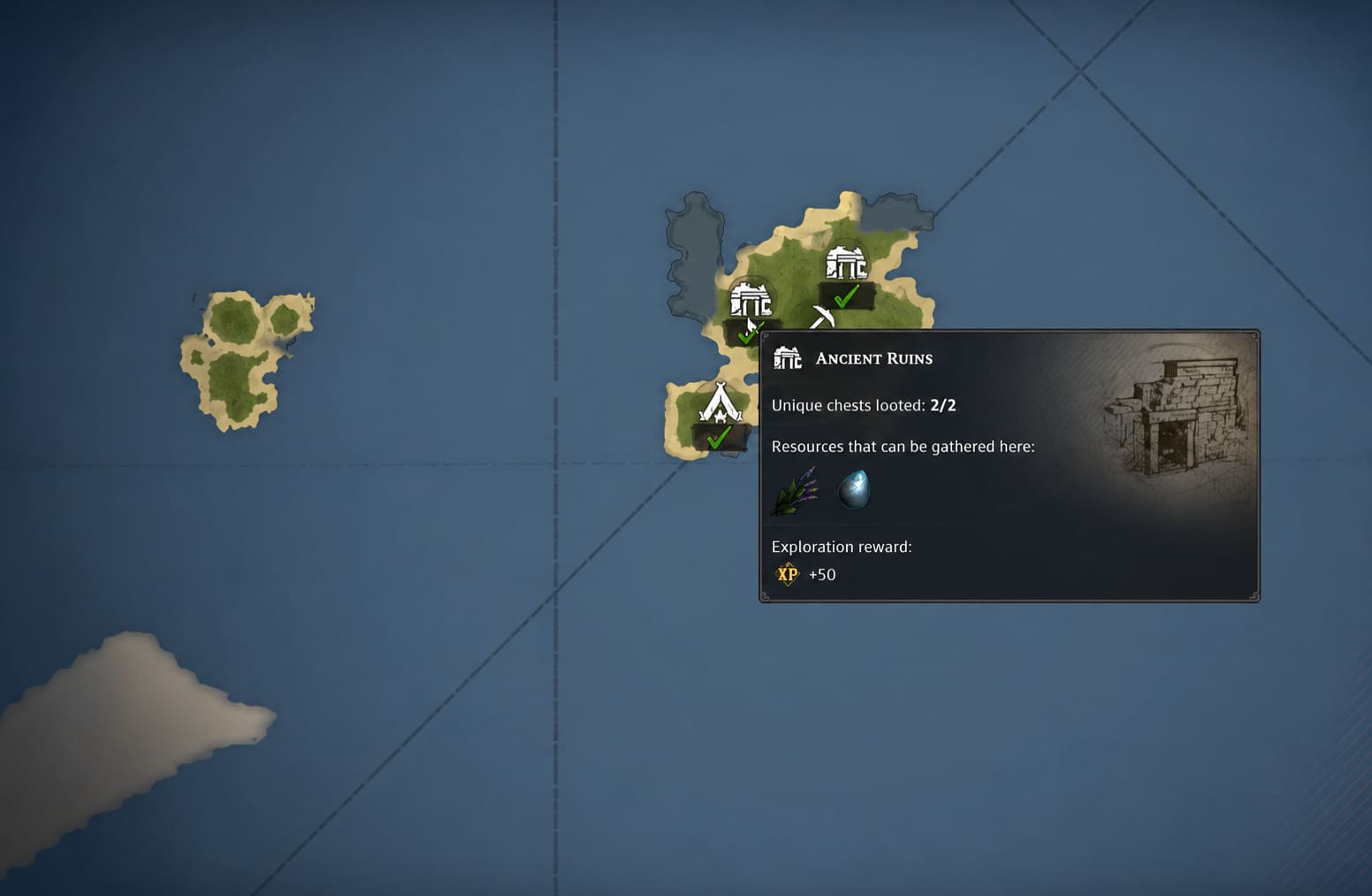
Inside the swamp’s ruined temples, decorative urns, vases, and burial containers can drop renewable Tumbaga Ingots. Unlike main dungeon chests, these objects actually respawn after area resets.
That changes everything.
Best Farming Loop
The routine is surprisingly simple:
- Sail to the Tainted Ruins
- Clear courtyard enemies
- Smash every vase and urn inside
- Loot crafting containers
- Leave the island area
- Wait for reset
- Repeat
That’s it.
No complicated exploit. No save manipulation. Just efficient farming.
The first time I discovered this, I honestly thought it was accidental developer oversight. But after several patches, it’s still there — which makes me think it’s fully intentional.
And thank god for that, because endgame upgrades eat through Tumbaga ridiculously fast.
The Alt Character Exploit (Yes, It Still Works)
Now we get into the controversial method.
Windrose allows multiple characters to exist in the same world save. Smart players figured out pretty quickly that certain loot states partially reset for new characters.
Which means…
Fresh Tumbaga loot.
How Players Abuse the System
The process looks like this:
- Store powerful gear in shared storage
- Create new character
- Join existing world
- Gear up instantly
- Teleport to ruins
- Re-loot valuable dungeon rewards
- Transfer ingots back to storage
- Delete character
- Repeat
Honestly? It’s kind of hilarious.
And yes, it’s absurdly effective.
Dedicated players can generate massive stockpiles incredibly fast using this trick. I’ve seen people bragging about triple-digit Tumbaga counts after a single evening.
Will the developers patch it eventually?
Probably.
Should you feel guilty using it in a PvE survival game?
That part’s up to you.
Biggest Mistakes Players Make While Farming
After watching newer players struggle, a few problems keep appearing repeatedly.
1. Spending Ingots Too Early
Don’t upgrade random gear just because you can.
Focus on weapons you genuinely plan to keep long-term.
2. Ignoring Inventory Space
Classic survival game mistake.
Nothing hurts more than finding rare loot while carrying 200 pounds of useless stone blocks.
3. Forgetting Repair Materials
Ruins destroy durability at shocking speed.
Broken armor inside cramped underground fights usually ends in panic, screaming, and a death screen.
4. Not Marking Cleared Ruins
This one matters more than people think.
Use map markers aggressively. Windrose’s world becomes huge later, and revisiting empty ruins wastes enormous amounts of time.
Final Thoughts
Tumbaga Ingots are basically the backbone of Windrose’s entire late-game progression system. Once you understand where they spawn and how the respawn mechanics work, the grind becomes far less frustrating.
Honestly, I think the system is surprisingly well-designed.
The early game makes every ingot feel precious. The mid-game pushes exploration hard. And the swamp biome eventually opens the door to sustainable farming without completely trivializing progression.
That balance is rare in survival RPGs.
Most games either drown you in resources eventually or make farming so painful you quit before the endgame. Windrose somehow lands in the middle.
And once your ship is loaded with upgraded cannons, your jewelry stats are maxed, and your favorite weapon finally hits Epic rarity… the entire combat system starts to shine in a way the early game barely hints at.
That’s the moment Windrose truly becomes addictive.