Going Medieval 1.0 Research Tree Guide: Tech Progression for 2026
When Going Medieval finally hit version 1.0 in March 2026, I’ll be honest — it didn’t just tweak the research system, it completely flipped how you think about progression. If you played before, you might walk in expecting the same linear unlock grind… and get absolutely wrecked by winter, raids, or even your own poor planning. After spending a good chunk of time testing different starts and losing a few colonies in the process, it became clear that research is no longer a passive system — it’s the backbone of your survival.
In this guide, I’m breaking down what actually works in 2026, based on real gameplay experience rather than theory. If you want a smooth run into mid and late game, you need to understand how this new system really behaves.
The Big Change: Research Is Now Physical
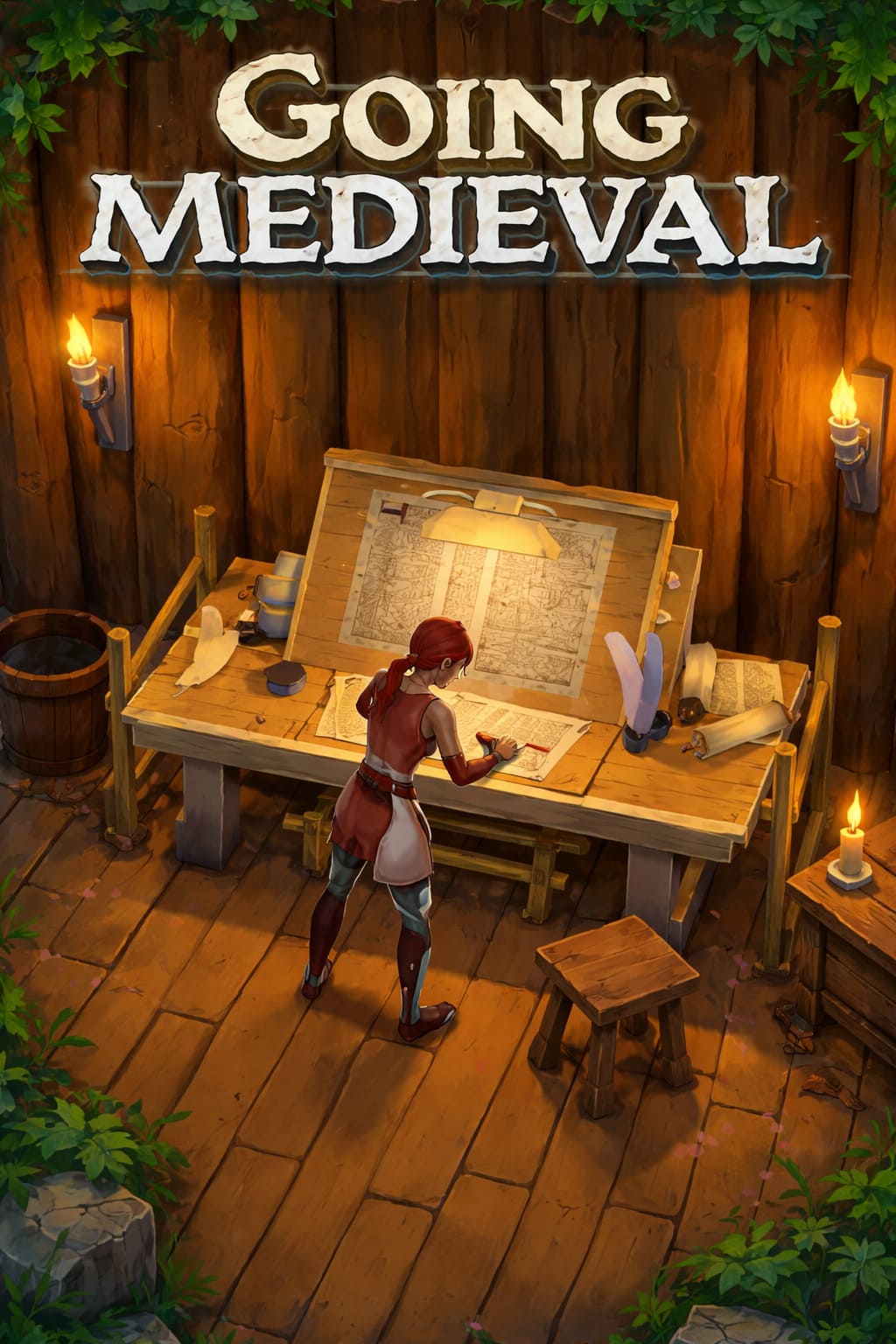
The biggest shift in 1.0 is that research isn’t just points anymore — it’s items you physically produce and store, and that changes everything. Your scholars now create Chronicles, Textbooks, Thesis, and Influential Treaties, each tied to different stages of progression. What caught me off guard early on is how fragile this system is, because if your books rot, burn, or get stolen, your progress can stall or even collapse entirely.
| Research Item | Role in Progression | My Take |
|---|---|---|
| Chronicles | Early-game basics | Easy to produce but easy to lose |
| Textbooks | Mid-tier technologies | Require more time and planning |
| Thesis | Late-game research | Slow and resource-heavy |
| Influential Treaties | Endgame objectives | Powerful but expensive |
This alone makes proper storage and library design one of the most important parts of your base. Ignoring it is basically asking to lose progress later.
Early Game (Days 1–12): Survive First, Optimize Later
The early phase is noticeably harsher in 1.0, with fewer resources and tighter margins for error. You can’t afford inefficient research choices anymore, and your first picks will define whether your colony stabilizes or collapses.
- Architecture — This is absolutely essential because it unlocks structural stability, prevents roof collapse, and allows multi-level construction. Skipping it is a mistake you’ll regret quickly.
- Agriculture — Foraging is no longer reliable, so planting crops early is critical. Cabbage gives fast returns, while barley sets up future production chains.
- Brewing — One of the most underrated priorities, as ale provides a strong mood boost and prevents early mental breakdowns that can cripple productivity.
- Furniture — Beds are no longer optional since sleeping on the ground now reduces movement speed and efficiency significantly.
From experience, trying to rush anything outside this order tends to lead to instability, especially during the first weather events or early raids.
Going Medieval 1.0 Beginner’s Guide (2026): How to Survive and Build Your First Fortress
Mid Game (Days 13–40): Where Most Colonies Fail
This is the phase where the game starts pushing back. The adaptive raider AI begins reacting to your growth, and poor planning becomes very visible very quickly. At this stage, your focus should shift from survival to sustainability and defense.
- Food Preservation — Spoilage is much more aggressive now, making preservation systems essential. Smokehouses extend meat lifespan, pickling handles vegetables, and cold storage with ice harvesting allows long-term planning across seasons.
- Combat Strategy — Longbows outperform crossbows early on due to faster firing speed, which is crucial against fast-moving raiders.
- Tailoring — Heatwaves are dangerous, and without proper clothing, settlers will stop working and hide indoors, stalling your economy.
Mid game is less about expanding and more about reinforcing what you already built, making sure your systems can handle pressure.
Late Game (Day 40+): Choosing Your Identity
The introduction of Grand Objectives is one of the best additions in 1.0, as it gives your settlement a clear direction and purpose beyond simple survival. Your choice here shapes your entire late-game experience.
- Academic Path — Focuses on producing Influential Treaties and unlocking the Great Library, which provides a global work speed bonus. This route rewards patience and long-term planning.
- Military Path — Centers around building reputation through combat and trade, unlocking heavy armor and siege weapons, and allowing you to dominate rather than defend.
Both paths are viable, but they lead to very different gameplay styles, so choosing based on your preferred approach is important.
Mastering Drawbridge Mechanics in Going Medieval: Defense Guide (2026 Edition)
Library Optimization: The Hidden Meta
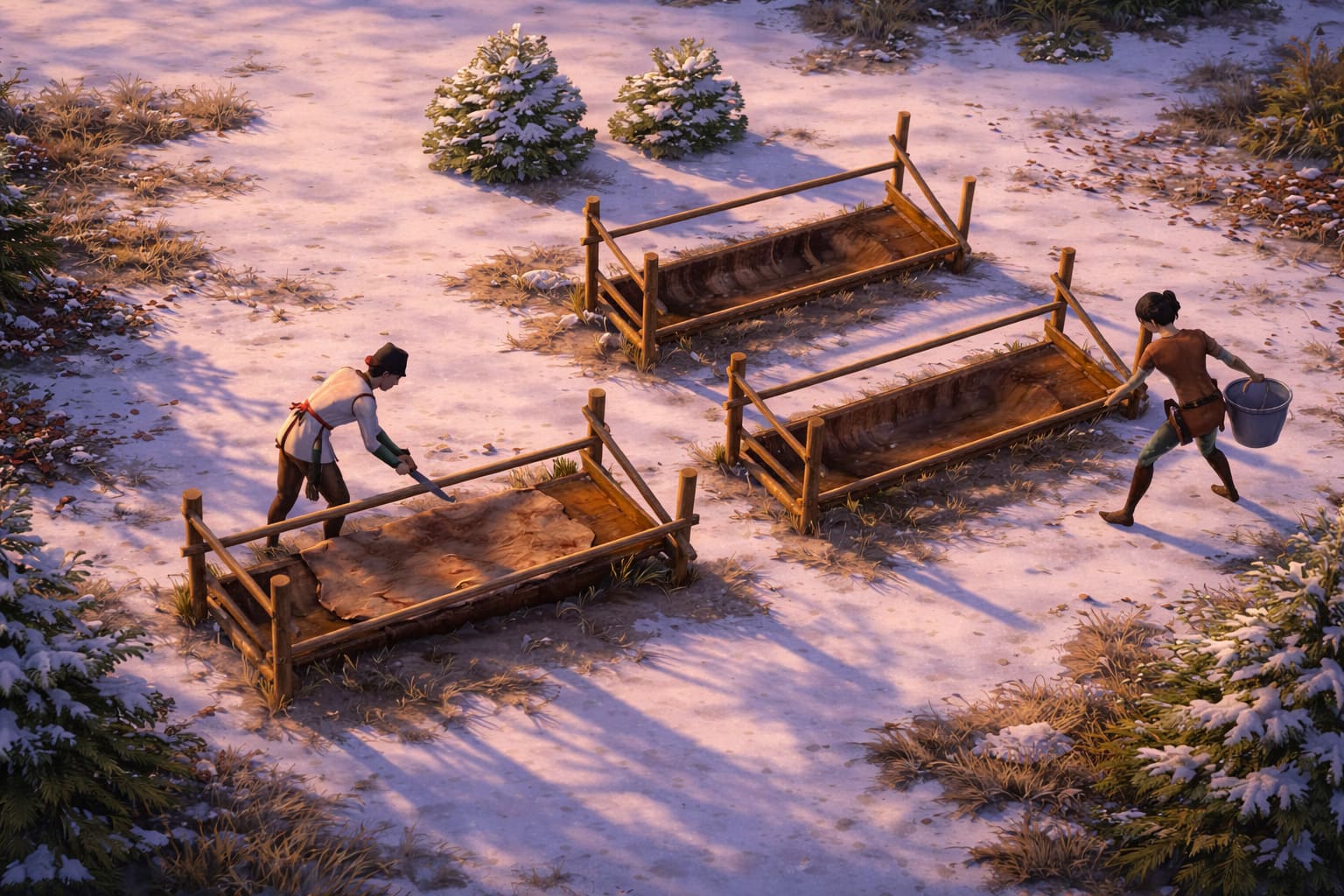
You can no longer treat research as something you casually place in any room. A properly built library significantly boosts efficiency and prevents resource loss.
| Requirement | Effect |
|---|---|
| Multiple research desks | Faster production of research items |
| Bookshelves | Prevent degradation of books |
| No production tools | Maintains room bonus |
Temperature also plays a major role, and keeping the room around 20°C ensures your scholars work at full speed instead of slowing down.
Advanced Tips From Real Gameplay
After multiple runs, a few strategies stand out as especially effective.
- Underground Libraries — These are safer from raids and naturally regulate temperature, making them one of the best design choices in the game.
- Skill Awareness — Some technologies require high intellectual skill, so unlocking them too early wastes resources.
- Trading for Research — Buying research materials can be more efficient than producing them, especially if your economy is strong.
- Book Burning — While you can use books as fuel, it’s risky and should only be done in emergencies.
Common Problems and Fixes
| Problem | Cause | Solution |
|---|---|---|
| Cannot unlock technology | Books stored incorrectly | Use proper shelves inside a library |
| Scholar not working | Insufficient leisure time | Adjust schedule settings |
| Slow research speed | Improper temperature | Maintain stable environment |
Final Thoughts: The Real 2026 Meta
Going Medieval 1.0 transforms the research system into something far deeper and more strategic than before. It’s no longer about rushing through a checklist, but about building a stable, efficient, and well-managed settlement that can handle pressure from every direction. The real meta revolves around stability, environmental control, and long-term planning rather than speed.
If you focus on securing food early, building a proper library, and maintaining temperature and morale, you’ll already be ahead of most players. The game rewards careful decisions and punishes shortcuts, but that’s exactly what makes success feel satisfying in this version.