Hell Let Loose: Vietnam Class Guide – All 19 Unique Combat Roles Explained
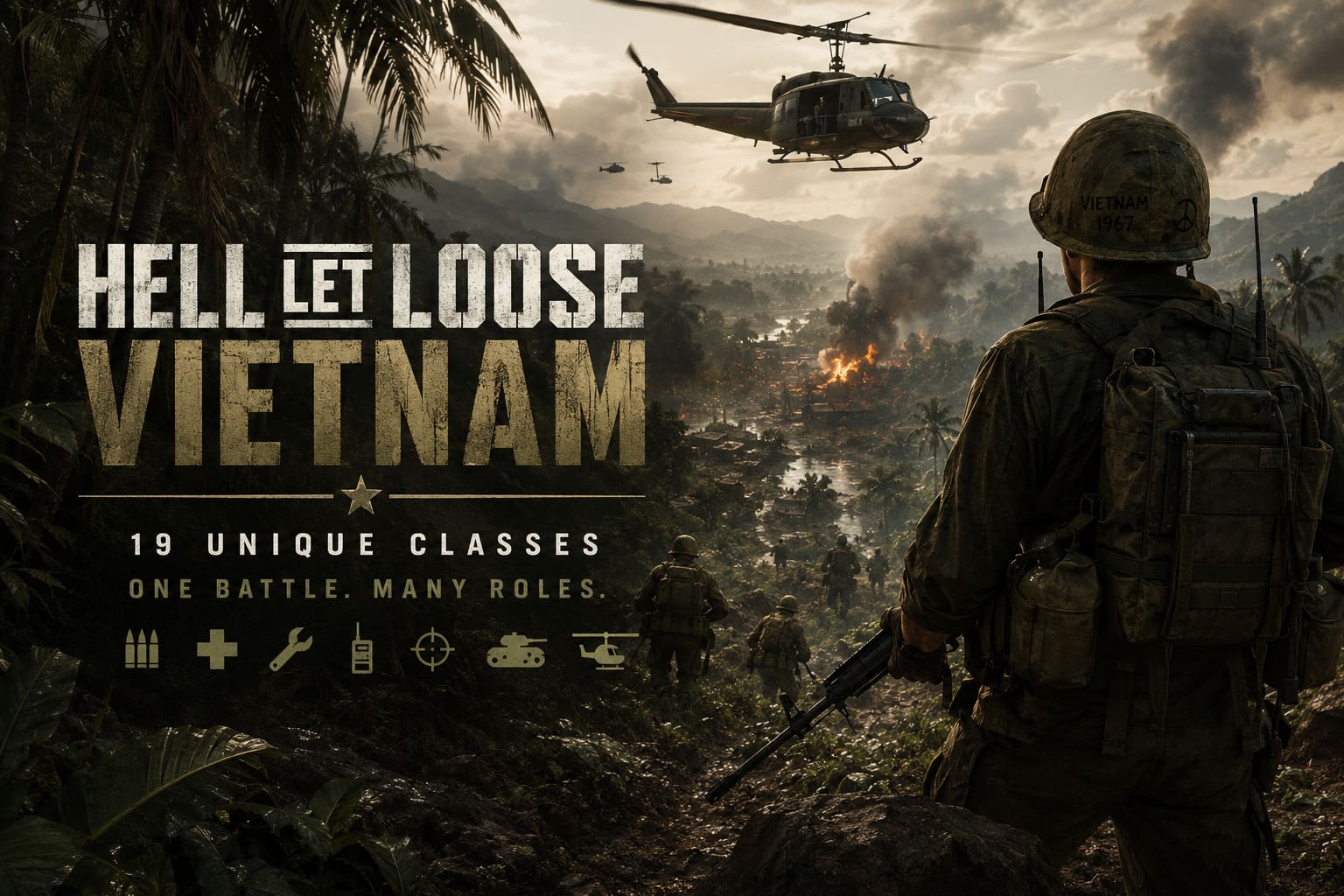
When I first started following Hell Let Loose: Vietnam, my biggest question wasn’t about the graphics or the new maps—it was about the classes. The original Hell Let Loose already demanded teamwork, but moving the series into the Vietnam War changes almost everything. Dense jungle, hidden tunnels, helicopters, asymmetric warfare, and a completely different style of combat mean your class choice matters more than ever.
Instead of simply picking the weapon you like most, you’re choosing how you’ll contribute to fifty-player battles where communication and positioning often matter more than raw aim.
After watching multiple gameplay demonstrations, developer presentations, and community discussions, one thing became clear: this isn’t just the World War II formula with tropical trees. The class system has evolved into something that feels far more specialized, and every role has a clear purpose.
If you’re planning to jump in at launch, here’s my breakdown of every combat role and which players will enjoy them the most.
The Command Structure Is More Important Than Ever
One thing I love about Hell Let Loose is that leadership actually changes matches. Good leadership wins games. Bad leadership usually ends with half the team scattered across the map wondering why every objective is already lost.
Commander
The Commander never spends much time chasing kills.
Instead, this player manages the battlefield from above, coordinating every squad while controlling the team’s valuable resources. Calling artillery isn’t enough anymore—Vietnam introduces devastating support options that fit the conflict perfectly.
Expect abilities like:
- Napalm strikes
- Heavy artillery
- Recon aircraft
- Strategic resource management
A Commander who communicates constantly can completely change the pace of an entire match.
Squad Leader
If the Commander thinks about the whole battlefield, Squad Leaders focus on six soldiers at a time.
They’re responsible for:
- Building Outposts
- Establishing Garrisons
- Marking enemy positions
- Coordinating assaults
- Keeping communication flowing
Honestly, this is probably the most stressful infantry role in the game. Everyone depends on you, and every bad spawn point quickly becomes everyone’s problem.
Core Infantry Roles
Most players will spend the majority of their time inside standard infantry squads.
This is where Hell Let Loose: Vietnam really shines.
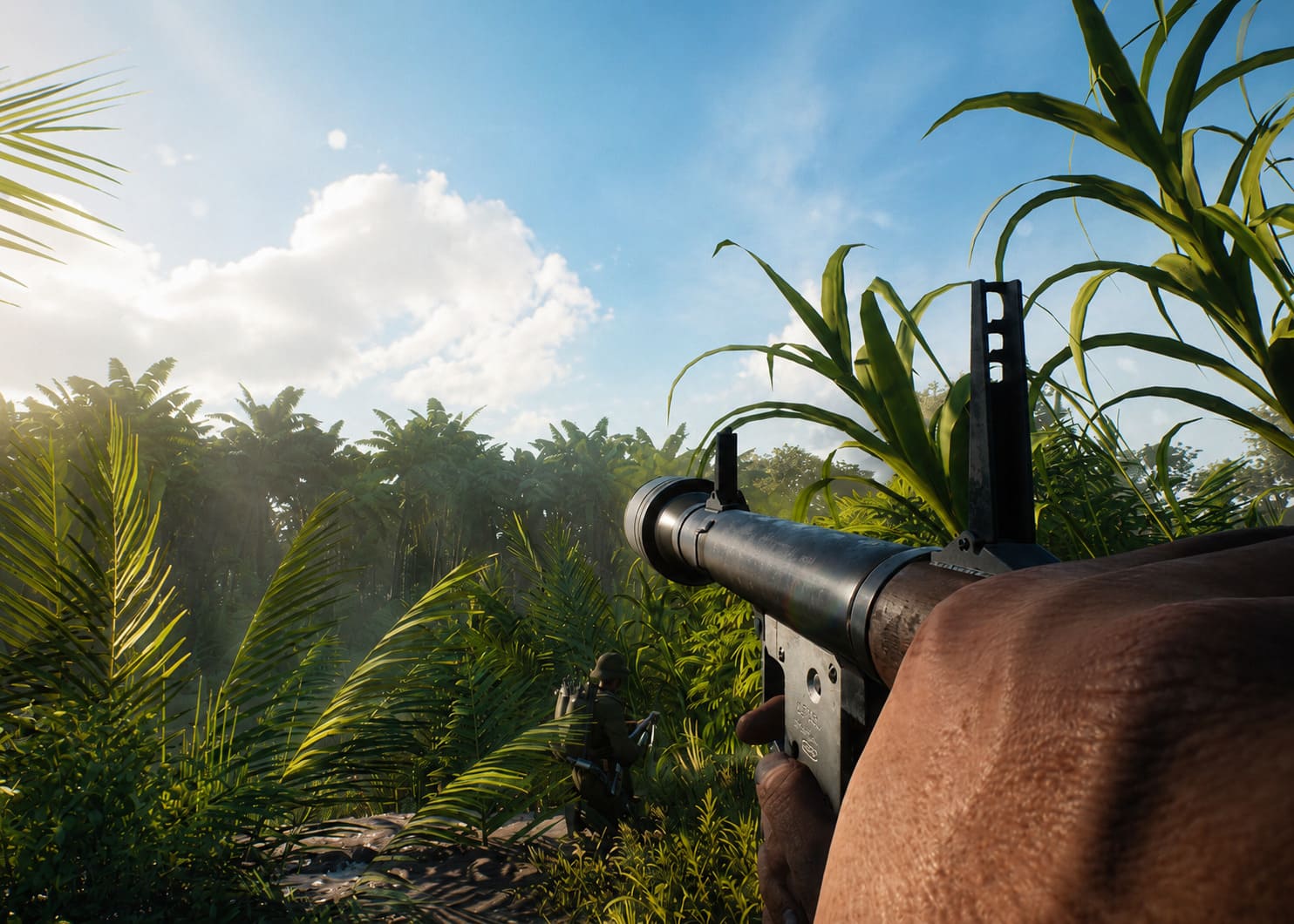
Rifleman
The Rifleman may sound basic, but don’t underestimate this class.
Reliable assault rifles like the M16A1, AK-47, and Type 56 make the Rifleman effective in almost every engagement.
More importantly, Riflemen carry extra ammunition.
That doesn’t sound exciting until your Machine Gunner runs dry while defending an objective.
Grenadier
Vietnam’s thick vegetation creates perfect hiding spots.
The Grenadier exists to remove them.
Smoke rounds create safe pushes, while explosive grenades clear bunkers, trenches, and fortified compounds before your teammates move in.
This class rewards patience and good positioning far more than aggressive rushing.
Engineer
Engineers quietly win games.
Many players focus entirely on firefights, but Engineers shape the battlefield itself.
Their responsibilities include:
- Defensive fortifications
- Resource nodes
- Vehicle repairs
- Road obstacles
- Barbed wire
- Sandbag defenses
A smart Engineer can completely change how an objective is attacked.
Medic
Hardcore shooters always make Medics valuable, and Vietnam looks no different.
Instead of forcing teammates to respawn hundreds of meters away, Medics keep offensive momentum alive through quick revives.
One feature I’m especially excited about is the ability to drag wounded teammates behind cover before reviving them.
It sounds small, but in intense firefights this mechanic could become one of the game’s biggest tactical improvements.
Specialist
This is one of the more flexible classes.
Specialists carry weapons designed for brutal close-range fighting, including powerful shotguns, carbines, and other specialized equipment depending on the faction.
Inside villages, tunnels, and dense jungle paths, Specialists become incredibly dangerous.
Machine Gunner
Every squad needs someone capable of locking down an entire approach.
Machine Gunners do exactly that.
Weapons like the famous M60 or Soviet-designed alternatives deliver overwhelming suppressive fire that keeps enemies pinned behind cover while teammates advance.
Kills are nice.
Suppressing twenty enemy players is even better.
Recon Is About Intelligence, Not Kill Counts
Many shooters turn snipers into lone wolves.
Hell Let Loose has always done things differently.
Spotter
The Spotter is arguably more important than the Sniper.
Their job includes:
- Discovering enemy Garrisons
- Marking troop movements
- Identifying supply routes
- Deploying Recon Outposts
- Feeding information back to Command
Without accurate intelligence, the rest of the team is fighting blind.
Sniper
The Sniper isn’t hunting random soldiers.
Priority targets include:
- Squad Leaders
- Machine Gunners
- Mortar operators
- Engineers
- High-value defenders
Removing key players hurts an enemy team far more than padding a kill count.
Armor Crews Demand Teamwork
Driving a tank alone isn’t possible.
Every armored vehicle depends on coordination.
Tank Commander
The Tank Commander manages positioning while communicating with infantry and directing the rest of the crew.
A smart commander knows when to attack—and more importantly—when to retreat.
Crewman
Crewmen operate the tank itself.
Drivers navigate rough terrain while Gunners handle the vehicle’s devastating firepower.
One mistake from either player can turn an expensive armored asset into a smoking wreck.
Mortar Teams Add Another Tactical Layer
Indirect fire feels much more organized this time around.
Instead of random shelling, mortar squads require real teamwork.
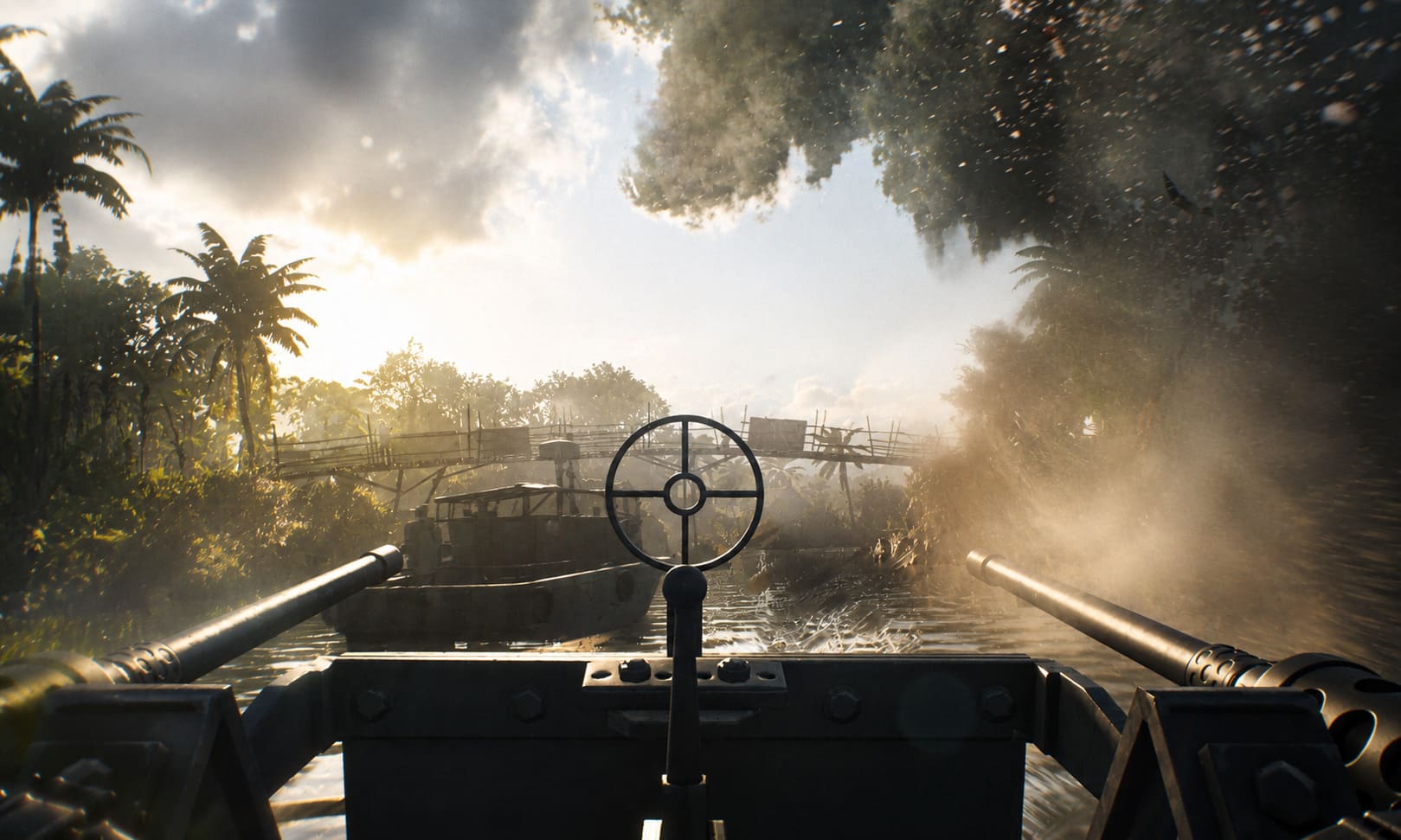
Observer
Observers locate enemy positions and calculate firing coordinates before passing them to the Gunner.
They’re essentially human targeting computers.
Mortar Support
Support players keep mortar teams alive.
They transport ammunition, defend firing positions, and ensure heavy weapons never stop firing when they’re needed most.
Mortar Gunner
Precision matters.
After receiving coordinates, the Gunner adjusts elevation and direction before delivering explosive or smoke rounds exactly where friendly forces need them.
Well-coordinated mortar teams could completely reshape large-scale battles.
Helicopters Change Everything
Perhaps the biggest gameplay evolution is the arrival of helicopters.
For the first time in the franchise, vertical movement becomes a major tactical element.
Helicopter Pilot
Flying a Huey through jungle valleys while avoiding anti-air fire honestly looks like one of the most exciting experiences the series has ever offered.
Pilots must master:
- Troop transport
- Fast insertions
- Emergency extractions
- Low-altitude flying
- Landing under pressure
This role looks incredibly rewarding—but also incredibly difficult.
Aviation Logistics Officer
The Logistics Officer keeps helicopter operations running smoothly.
Responsibilities include:
- Organizing supply drops
- Coordinating landing zones
- Delivering reinforcements
- Supporting frontline squads
Without logistics, even the best pilots become ineffective.
The NVA Brings Completely Different Gameplay
One thing I genuinely appreciate is that the developers resisted making both factions feel identical.
Instead, each side plays to its historical strengths.
Anti-Air Specialist
American helicopters dominate the skies.
Someone has to stop them.
The Anti-Air Specialist operates powerful anti-aircraft systems designed specifically to deny safe airspace and force pilots into dangerous flight paths.
Good anti-air players won’t always top the scoreboard, but they’ll constantly influence the battle.
Tunnel Combatant
This might become my favorite role.
Rather than relying on superior equipment, Tunnel Combatants focus on stealth, ambushes, and underground mobility.
Using Vietnam’s tunnel systems, they can appear behind enemy lines almost without warning.
For players who enjoy flanking instead of frontal assaults, this class looks incredibly fun.
Comparing the Main Combat Roles
| Role | Best For | Primary Responsibility |
|---|---|---|
| Commander | Experienced leaders | Strategic coordination |
| Squad Leader | Team players | Squad management |
| Rifleman | Beginners | Reliable frontline combat |
| Medic | Support players | Revives and healing |
| Engineer | Tactical builders | Fortifications and logistics |
| Machine Gunner | Defensive players | Area suppression |
| Sniper | Precision shooters | Eliminating priority targets |
| Helicopter Pilot | Skilled vehicle players | Air mobility |
| Tunnel Combatant | Stealth fans | Ambushes and infiltration |
Why Asymmetrical Warfare Makes Vietnam Feel Different
The biggest difference isn’t simply the setting.
It’s how differently each faction approaches combat.
American forces emphasize technology, air mobility, heavy firepower, and coordinated assaults.
Meanwhile, the North Vietnamese Army excels through camouflage, hidden movement, tunnel networks, and carefully planned ambushes.
That imbalance actually makes every battle feel unpredictable.
Instead of mirrored teams using identical equipment, every engagement becomes a contest between completely different military doctrines.
Personally, I think that’s exactly what the series needed.
Is Hell Let Loose Vietnam Coming to Xbox Game Pass? Release Date, Rumors, and Leaks
Final Thoughts
After spending time analyzing everything revealed so far, I don’t think Hell Let Loose: Vietnam is trying to replace the original game. It feels more like the next step in its evolution.
The addition of helicopters, mortar teams, underground tunnel systems, and expanded support roles creates a battlefield where communication is even more valuable than individual skill.
Sure, you’ll still need accurate shooting.
But victories will almost always belong to the squads that coordinate their classes, protect their logistics, and understand how every role fits into the larger battle.
Whether you prefer commanding entire teams, reviving wounded allies under fire, suppressing enemies with an M60, flying helicopters through hostile skies, or sneaking behind enemy lines through hidden tunnels, there’s a class that feels meaningful.
And honestly, that’s exactly what I want from a large-scale tactical shooter.