Torchlight Infinite Tide Whisper Selena Build Guide: Best Endgame Gameplay, Talents, and Skills (SS13 Afterlight)
When I first jumped into Torchlight Infinite Season 13: Afterlight, I expected another solid league with a few balance tweaks and a new mechanic to explore. What I didn’t expect was how quickly Tide Whisper Selena would become one of the most enjoyable heroes I’ve played in the game.
I’ve spent plenty of time with different classes over multiple seasons, and I usually end up favoring characters that can clear maps quickly without feeling repetitive. Selena surprised me because she combines smooth movement, satisfying spell effects, and enough flexibility that you can build her in multiple directions without feeling locked into a single meta setup.
If you’re looking for a character that can comfortably progress from campaign to high-tier mapping while still having excellent boss potential, I honestly think Selena deserves your attention.
Why Tide Whisper Selena Feels Different
Many ARPG spellcasters have one common weakness—you stop moving every time you want to deal serious damage.

Selena ignores that rule.
Her signature mechanic allows her to maintain offensive pressure while staying mobile, which completely changes how combat feels. Instead of planting your feet and hoping nothing dangerous lands beneath you, you’re constantly gliding around the battlefield while your primary skill continues doing its job.
That one mechanic alone makes difficult encounters noticeably less stressful.
Against aggressive bosses, I rarely felt trapped. Instead, I could focus on positioning, dodging mechanics, and maintaining damage without sacrificing either offense or defense.
It’s one of those hero designs that immediately feels natural after only a few maps.
Which Selena Build Should You Choose?
After experimenting with different versions and comparing what experienced players are running, two builds clearly stand above the rest.
| Build | Cost | Mapping | Boss Damage | Beginner Friendly |
|---|---|---|---|---|
| Cold Howling Gale | Medium | Excellent | Excellent | Yes |
| Wilting Beam DoT | Low | Very Good | Very Good | Excellent |
Neither build is bad.
Your decision mostly depends on how much currency you plan to invest.
Cold Howling Gale
This has become the most popular version for good reason.
By converting your physical spell damage into cold damage, nearly everything on the screen becomes vulnerable to freezing effects.
That changes more than just your damage numbers.
- Frozen enemies don’t attack.
- Frozen monsters don’t chase you.
- Frozen elites become target practice.
One thing I really enjoy is how the storms actively search for nearby enemies. Large packs disappear almost automatically, making mapping incredibly smooth.
The gameplay never feels clunky, even during long farming sessions.
Wilting Beam Damage over Time
If you’re starting the league with limited resources, this version deserves serious consideration.
Instead of relying on expensive critical strike scaling, it focuses on consistent damage over time.
The overall damage ceiling isn’t quite as high as the cold variant, but the investment required is dramatically lower.
For league starters, that’s a huge advantage.
You can reach respectable endgame progression before spending large amounts of currency, which makes early farming much more comfortable.
Core Skills Worth Prioritizing
Every Selena setup revolves around one primary damage ability supported by utility and mobility.
My preferred setup looks something like this:
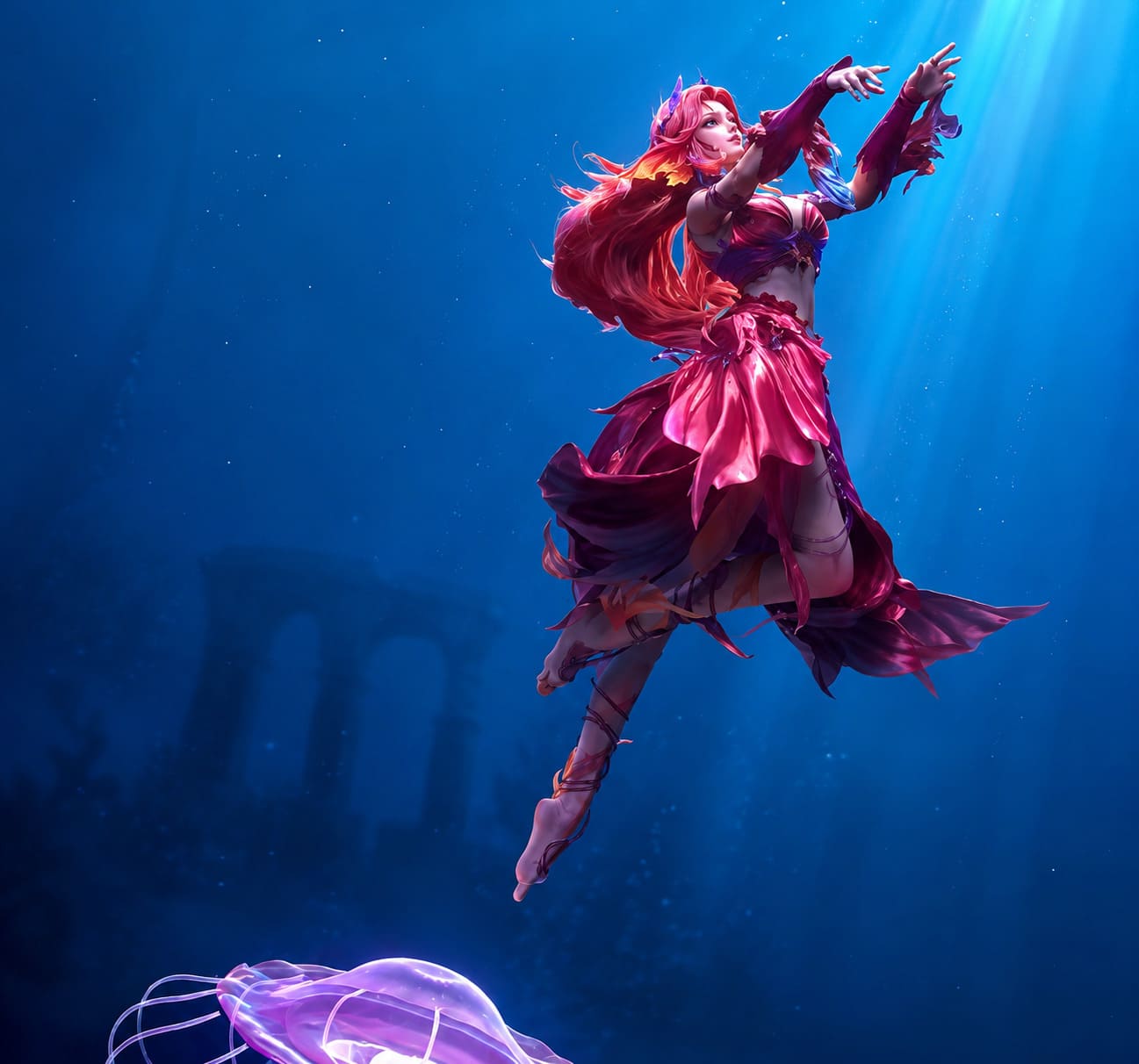
Main Skill
- Howling Gale
- Added Cold Damage
- Spell Burst
- Critical Strike Support
- Control-focused support
If you’re playing the DoT version, simply replace Howling Gale with Wilting Beam while keeping the supporting philosophy largely the same.
The important part isn’t copying every support gem perfectly.
Instead, focus on increasing your primary damage source while making combat as automated as possible.
That’s where Selena really shines.
Mobility Is Actually Your Defense
One mistake I see newer players making is treating movement abilities as emergency buttons.
With Selena, movement is part of your rotation.
You’re supposed to stay in motion.
Several mobility options work extremely well:
- Frigid Transmission for teleporting while dealing respectable damage.
- Blink for instant repositioning.
- Shadow Dash if you prefer a more responsive escape option.
The faster you move, the easier it becomes to avoid dangerous mechanics without interrupting your offense.
That rhythm makes the entire character feel incredibly fluid.
Utility Skills That Make Farming Faster
Damage alone isn’t enough.
Efficient farming is about reducing downtime between packs.
Two utility skills stood out the most during my testing.
Black Hole
This skill groups monsters together, making every cast of your main ability dramatically more efficient.
Instead of chasing scattered enemies across the screen, everything gets pulled into one convenient location.
Large packs disappear almost instantly.
Star Stalker
Against tougher enemies, this provides a noticeable increase in damage.
I generally save it for bosses, elite monsters, and tankier rare enemies.
It’s simple, reliable, and fits naturally into Selena’s gameplay loop.
Talent Priorities
The talent tree gives Selena enormous scaling potential, but not every node is equally valuable.
I generally prioritize three major themes.

1. Spell Scaling
Early on, focus on improving:
- Spell Damage
- Mana Recovery
- Area of Effect
- Resource Efficiency
These upgrades make leveling considerably smoother.
2. Frost Scaling
If you’re using the cold build, this becomes your highest priority.
Increasing Frostbite application dramatically boosts overall damage while also improving survivability through frequent freezes.
Whenever possible, aim to complete your physical-to-cold conversion as early as your gear allows.
The build feels noticeably stronger once full conversion is online.
3. Blessing Investment
The Magister section offers some fantastic bonuses.
Increasing your maximum Focus Blessings results in:
- Faster casting.
- Better overall damage.
- More consistent burst windows.
It’s one of those upgrades that doesn’t look exciting on paper but feels excellent during actual gameplay.
Gear Priorities for Endgame
One thing I’ve learned over several Torchlight seasons is that chasing random damage modifiers usually isn’t the most efficient approach.
Selena benefits much more from specialized stats.
High Priority Stats
| Priority | Recommended Affix |
|---|---|
| ★★★★★ | Maximum Channel Stacks |
| ★★★★★ | Channel Skill Damage |
| ★★★★☆ | Cold Damage |
| ★★★★☆ | Critical Strike Chance |
| ★★★★☆ | Critical Multiplier |
| ★★★☆☆ | Mana |
| ★★★☆☆ | Cast Speed |
The additional channel stack modifiers deserve special attention.
They’re easy to underestimate until you actually compare the damage difference during boss fights.
Higher channel stacks translate into significantly stronger burst damage.
Slateboard Choices
Slateboards become increasingly important once you enter serious endgame farming.
Rather than filling every slot with generic bonuses, try to prioritize modifiers that directly improve your main skill.
Some of the strongest options include:
- Additional Physical Skill Levels.
- Increased Channel Damage.
- Mana and Life interaction bonuses.
- Cold damage multipliers.
Small improvements here quickly add up over dozens of upgrades.
Small Gameplay Habits That Make a Huge Difference
These aren’t obvious when you first start playing Selena, but they’ve made my mapping noticeably smoother.
Don’t spam every movement skill at once.
Leaving yourself without mobility for even a second can become dangerous during difficult boss encounters.
Instead, rotate movement abilities naturally.
Keep moving even while attacking.
This sounds obvious, but many players instinctively stop moving when enemies appear.
Selena rewards the exact opposite behavior.
Constant movement is part of your damage output.
Freeze is more valuable than raw DPS.
Many players become obsessed with maximizing tooltip damage.
Personally, I’d rather sacrifice a little theoretical damage for more reliable freezing.
Dead enemies deal zero damage.
Frozen enemies usually don’t deal any either.
That extra layer of control often results in faster clears because you’re spending less time avoiding incoming attacks.
Is Tide Whisper Selena Worth Playing?
Absolutely.
Season 13 introduced several enjoyable options, but Selena stands out because every aspect of her design works together.
Her mobility never feels gimmicky.
Her spell effects remain satisfying even after hours of farming.
Most importantly, progression feels rewarding whether you’re investing modest amounts of currency or pushing toward fully optimized endgame equipment.
I also appreciate that she isn’t limited to one “correct” build.
The cold conversion version delivers incredible freezing power and excellent scaling, while the damage-over-time approach offers one of the smoothest league-start experiences available.
That’s healthy design, and it gives players meaningful choices instead of forcing everyone into identical setups.
Final Thoughts
If someone asked me to recommend a single caster for Torchlight Infinite Season 13: Afterlight, Tide Whisper Selena would probably be my first answer.
She’s fast without feeling uncontrollable, powerful without requiring absurd investment, and engaging enough that long mapping sessions never become boring. The ability to move while continuously casting completely changes how encounters play out, especially against difficult endgame bosses where positioning matters just as much as raw damage.
Whether you’re farming your first high-tier maps, building currency for expensive upgrades, or pushing deep into the endgame, Selena has all the tools needed to succeed. Build around strong channel mechanics, prioritize cold scaling or efficient damage-over-time depending on your budget, invest in quality gear over flashy stats, and you’ll quickly understand why so many experienced players have gravitated toward her this season.
For me, that’s the biggest compliment I can give any ARPG build: after dozens of maps, I still wanted to run just one more.