Temtem: Pioneers Real-Time Combat Explained – Why It Changes Everything
When I first heard about Temtem: Pioneers, my reaction was honestly split. On one hand, I’ve spent countless hours enjoying the strategic, almost chess-like pacing of the original game.
On the other, I’m someone who genuinely enjoys when developers take risks—even if those risks shake up what made a series popular in the first place.
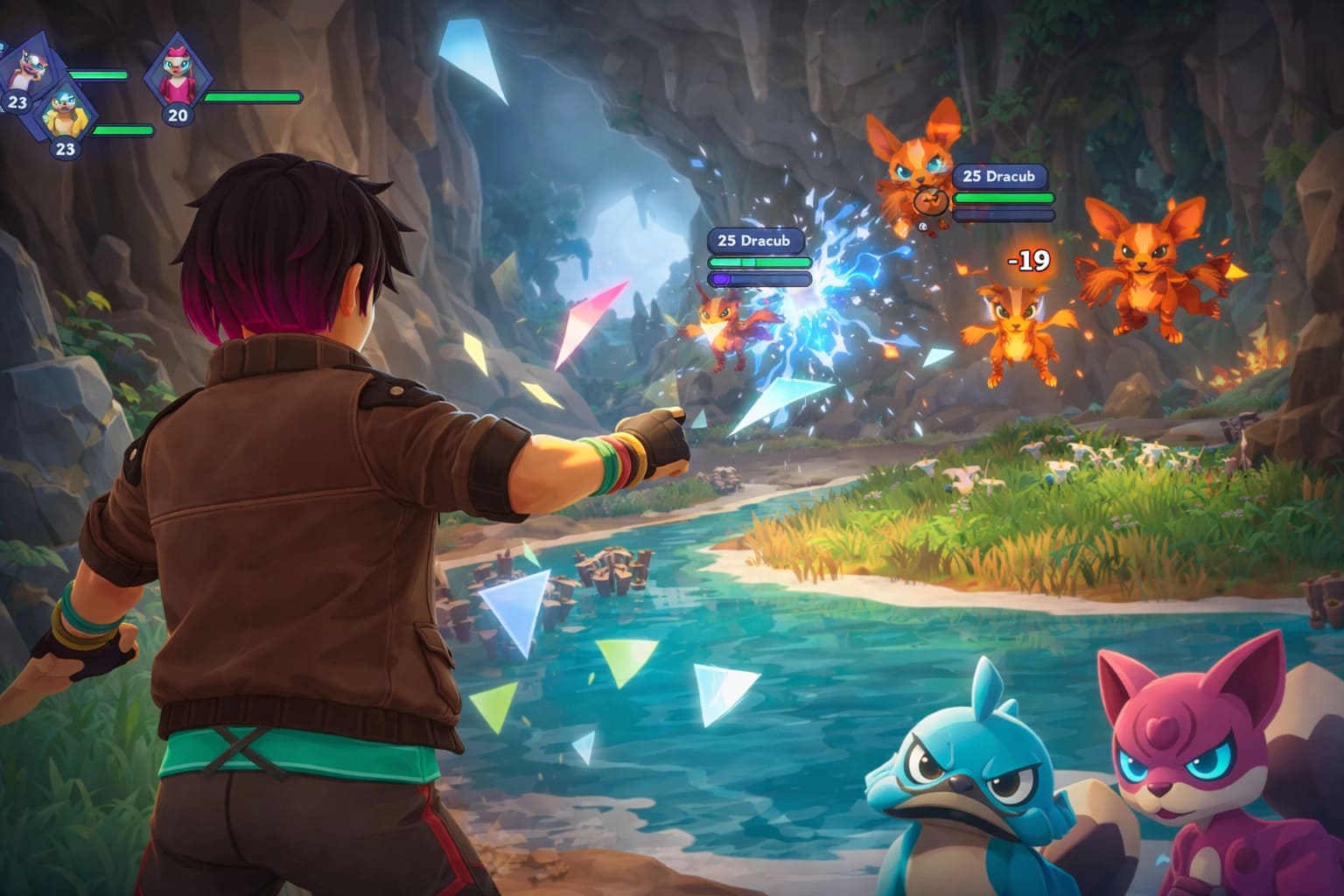
After digging into what Pioneers is trying to do, I can say this: it’s not just a sequel—it’s a complete reimagining. Whether that’s a good or bad thing will depend heavily on what kind of player you are.
2026 Guide to Fixing Soulmask Tribesmen Pathing Issues
A Bold Leap into Real-Time Combat
The biggest and most obvious change is the shift from turn-based battles to a fully real-time combat system. And this isn’t just a minor tweak—it fundamentally changes how you engage with the game.
Instead of selecting moves from a menu and planning ahead, you now:
- Directly control your Temtem in battle
- React in real time to enemy behavior
- Rely on movement, timing, and reflexes
Personally, I find this shift exciting. It reminds me more of an action RPG than a traditional creature-collection game. But I can also understand why some long-time fans might feel like something important has been lost.
What “Active Combat” Really Feels Like
From what’s been shown so far, the combat system revolves around constant movement and quick decision-making.
Key Mechanics:
- Direct Control: You’re no longer a commander—you are the Temtem.
- Active Dodging: Avoiding attacks is just as important as dealing damage.
- On-the-Fly Switching: You can swap between up to three Temtem mid-fight.
This creates a much more dynamic battlefield. Instead of waiting your turn, you’re dodging incoming attacks, positioning yourself for optimal hits, and switching Temtem to counter enemies instantly.
I really like this direction because it adds a layer of skill expression that wasn’t as prominent before. But it also raises an important question: will strategy take a backseat to reflexes?
Combo Systems: More Depth Than It First Appears
At first glance, real-time combat might seem like it simplifies things—but that’s not entirely true. The introduction of combo systems adds its own kind of depth.
Core Combat Flow:
- 3-Hit Basic Combos: Each Temtem has a standard combo chain.
- Stagger/Openings: Landing full combos can leave enemies vulnerable.
- Technique Chaining: Special abilities can be linked together for maximum effect.
This reminds me of fighting games or even character-action titles. You’re not just spamming attacks—you’re learning timing, rhythm, and how to chain abilities efficiently.
Why This Works:
- Encourages mastery over button-mashing
- Rewards practice and timing
- Makes each Temtem feel more unique
The Return of Synergy—But With a Twist
One feature I’m really glad they kept is the Synergy system, though it’s been adapted for this new combat style.
In Pioneers, synergy isn’t just about team composition—it’s tied to your connection with your Temtem.
What Synergy Can Do:
- Change the type of an ability
- Increase overall damage output
- Add new effects or modifiers
This adds a layer of customization that I think is essential, especially in a real-time system. It ensures that combat doesn’t become too repetitive.
Survival Mechanics Change Everything
Here’s where things get even more interesting: Temtem: Pioneers isn’t just about battling—it’s also a survival game set in the mysterious Downbelow.
This means combat is directly tied to:
- Resource gathering
- Crafting systems
- Exploration
Survival Features Include:
- Collecting materials in the open world
- Crafting gear and tools
- Managing your efficiency in combat through preparation
I’ll be honest—this is the part I’m most unsure about. Survival mechanics can be incredibly engaging… or incredibly tedious, depending on execution.
A Massive Roster Still Matters
Even with all these changes, one thing remains consistent: the creatures themselves.
With over 200 Temtem available:
- Variety in playstyles remains strong
- Team-building still matters
- Experimentation is encouraged
And yes—type matchups are still relevant.
Example Table: Type Advantage Basics
| Attacking Type | Strong Against | Weak Against |
|---|---|---|
| Fire | Nature | Water |
| Water | Fire | Electric |
| Nature | Water | Fire |
Even in a fast-paced system, understanding these interactions can make or break a fight.
Community Reactions: Divided but Curious
If you spend any time browsing forums or watching early impressions, one thing becomes clear: players are divided.
Positive Reactions:
- Excitement about a fresh direction
- Comparisons to modern action-survival games
- Interest in more engaging combat
Concerns:
- Loss of turn-based strategy
- Fear of “trend-chasing”
- Uncertainty about long-term depth
Personally, I think both sides have valid points. Reinventing a formula is always risky, especially when the original had a dedicated fanbase.
My Personal Take
As someone who enjoys both tactical games and action-heavy experiences, I’m cautiously optimistic.
What I like:
- The energy of real-time combat
- The added skill ceiling
- The blend of survival and creature collection
What I’m worried about:
- Potential loss of strategic depth
- Balance between action and RPG elements
- Whether survival mechanics will feel meaningful or repetitive
At the end of the day, Temtem: Pioneers feels like a game that’s trying to expand its audience, not just serve its existing one.
Temtem: Pioneers Feels Like a Different Game — Why Real-Time Combat Changes Everything
If you’ve spent time with the original Temtem, stepping into Temtem: Pioneers feels familiar at first… until combat starts. That’s where everything shifts. The move from turn-based battles to real-time action doesn’t just speed things up—it completely changes how you think, react, and survive.
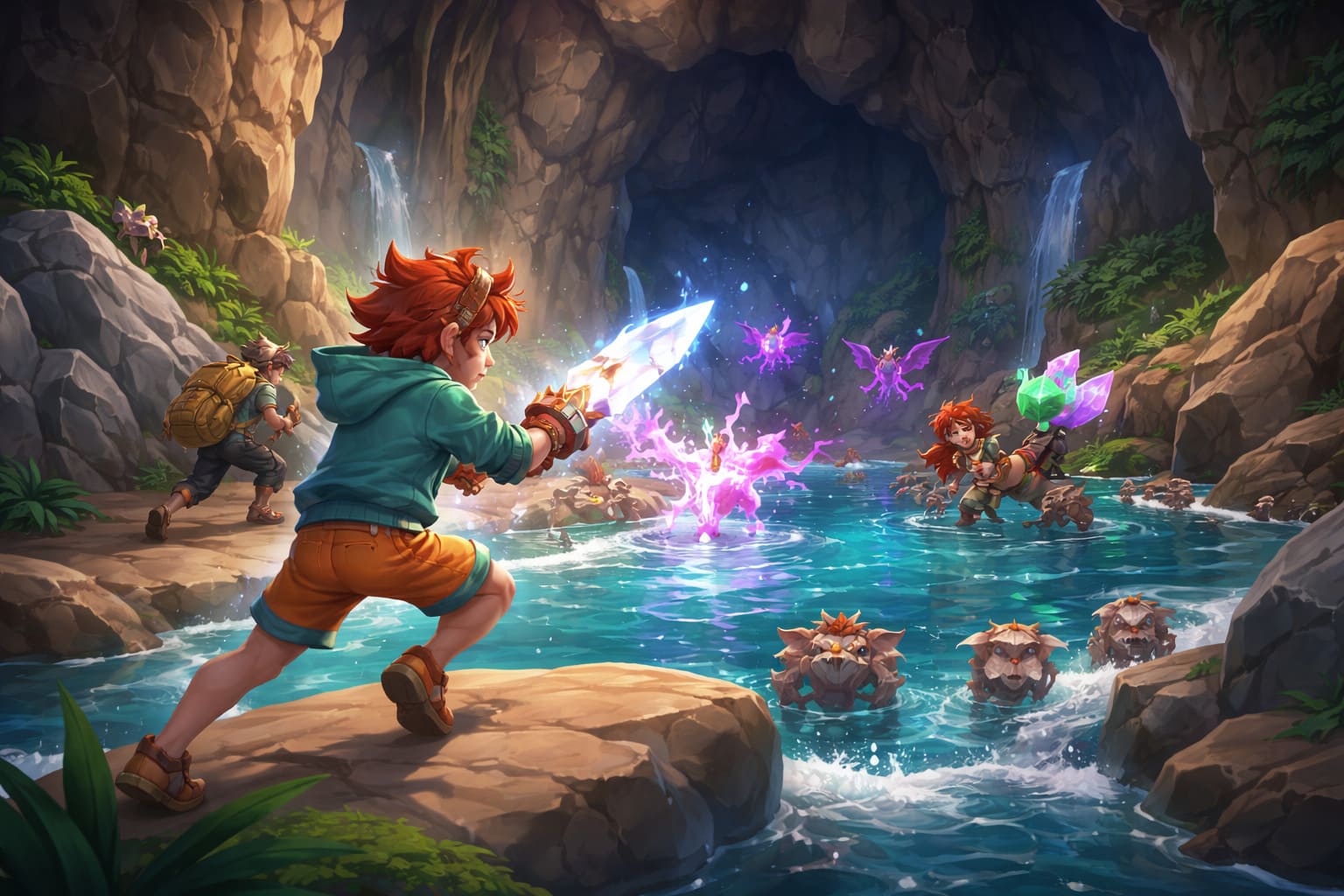
As someone who genuinely enjoys experimenting across RPGs, MMOs, and creature-collection games, I can say this: Pioneers rewards instinct as much as knowledge. You can’t just memorize the type chart anymore—you have to feel it in motion.
Let’s break down what actually matters now, from elemental matchups to starter choices and stamina management.
Real-Time Combat: Knowledge Isn’t Enough Anymore
In classic Temtem, you could afford mistakes. A bad move meant lost tempo. In Pioneers, it means getting punished instantly.
The biggest difference? Ineffective attacks are no longer just inefficient—they’re dangerous.
– You waste stamina
– You lose positioning
– You open yourself to hits you could’ve avoided
That changes how you approach every encounter.
Updated Type Effectiveness (Practical View)
Here’s a simplified breakdown of how types interact, but keep in mind—this is no longer theoretical. Every decision has real-time consequences.
Type chart overview:
| Type | Strong Against (2x) | Weak / Resisted (0.5x) |
|---|---|---|
| Neutral | — | Mental |
| Fire | Nature, Crystal | Fire, Nature, Crystal |
| Water | Fire, Earth, Digital | Fire, Water, Earth |
| Nature | Water, Earth | Water, Nature, Earth, Electric |
| Electric | Water, Mental, Wind, Digital | Electric, Wind |
| Earth | Fire, Electric, Crystal | Fire, Electric, Toxic |
| Mental | Neutral, Melee | Neutral, Melee |
| Wind | Toxic | Wind |
| Digital | Mental, Digital, Melee | None |
| Melee | Earth, Crystal | Melee |
| Crystal | Electric, Mental | Electric, Mental, Toxic |
| Toxic | Water, Nature | Water, Nature, Earth, Crystal |
What Actually Matters in Real-Time
Instead of memorizing everything, focus on:
– Fast matchups – can you react quickly to exploit weakness?
– Positioning – can you avoid damage while dealing it?
– Stamina efficiency – are you overcommitting?
Digital-type, for example, becomes insanely valuable—not because it’s overpowered on paper, but because having no weaknesses simplifies decision-making under pressure.
Choosing Your Starter: It’s About Playstyle, Not Tier Lists
One thing I really appreciate in Pioneers is that your starter choice feels less like a stat decision and more like choosing a combat philosophy.
Smazee — The Aggressive Pick
Best for: Players who like speed, pressure, and control
Smazee feels amazing in real-time combat. Its fast attacks and combo potential let you:
– Interrupt enemies
– Chain hits quickly
– Maintain constant pressure
Why it stands out:
– You often land the first hit, which matters way more now
– Combos can stunlock weaker enemies
– Great for players who trust their reflexes
That said, it’s not forgiving. If you misplay, you’ll feel it.
Crystle — The Safe and Reliable Option
Best for: Players who want survivability and consistency
Crystle is the one I’d recommend if you’re still adjusting to the new system.
– High HP and defense
– More room for mistakes
– Strong early-game matchups (especially vs Electric types)
Why it works:
– You don’t get punished as hard for failed dodges
– You can learn enemy patterns without constant resets
– Feels stable in chaotic fights
It’s not flashy, but it’s dependable—and that matters a lot early on.
Houchic — The Tactical Glass Cannon
Best for: Players who like spacing, control, and ranged play
Houchic is interesting because it rewards a completely different mindset.
– Stay at range
– Control positioning
– Avoid direct confrontation
Strengths:
– High special damage
– Safer playstyle if executed well
– Great for strategic players
Weakness: Low survivability and punishing if enemies close the gap
Stamina Is the Hidden Core Mechanic
Here’s something I didn’t expect to matter this much: stamina management becomes the real skill ceiling.
In the original game, stamina was just a limiter. In Pioneers, it’s a survival mechanic.
What Happens When You Run Out?
– Your Temtem slows down
– You become easy to hit
– You lose control of the fight
And in real-time combat, that’s basically a death sentence.
How to Manage Stamina Effectively
You don’t need complex strategies—just discipline.
Focus on:
– Mixing basic 3-hit combos with abilities
– Avoiding spam of high-cost techniques
– Watching enemy behavior before committing
A simple rhythm works best:
1. Light combo
2. Reposition
3. Ability
4. Back off
It sounds basic, but in real-time, that flow keeps you alive.
Early-Game Strategy: What Actually Works
From experience, early success comes down to three things.
Don’t Overcommit
It’s tempting to go all-in when you see a weakness—but that’s how you run out of stamina and get punished.
Play controlled, not greedy.
Learn Enemy Patterns
Because combat is active, enemies telegraph attacks more clearly.
– Watch movement
– Learn timing
– Dodge first, attack second
This alone will improve survivability more than any stat upgrade.
Build Around Synergy, Not Just Power
Instead of picking the strongest types, think about:
– Coverage
– Flexibility
– Ease of execution
Digital + Water, for example, feels incredibly smooth because you’re rarely stuck without a good option.
Final Thoughts: Why This System Works
What makes Temtem: Pioneers stand out isn’t just the shift to real-time combat—it’s how that shift redefines decision-making.
– Type advantages feel urgent
– Mistakes feel immediate
– Skill expression feels real
And honestly, that’s refreshing.
You’re no longer just playing the numbers—you’re playing the moment.
If you enjoy games where mechanics and reflexes blend together, this version of Temtem is going to feel far more engaging than the original. And if you don’t? Well… Crystle’s waiting for you.