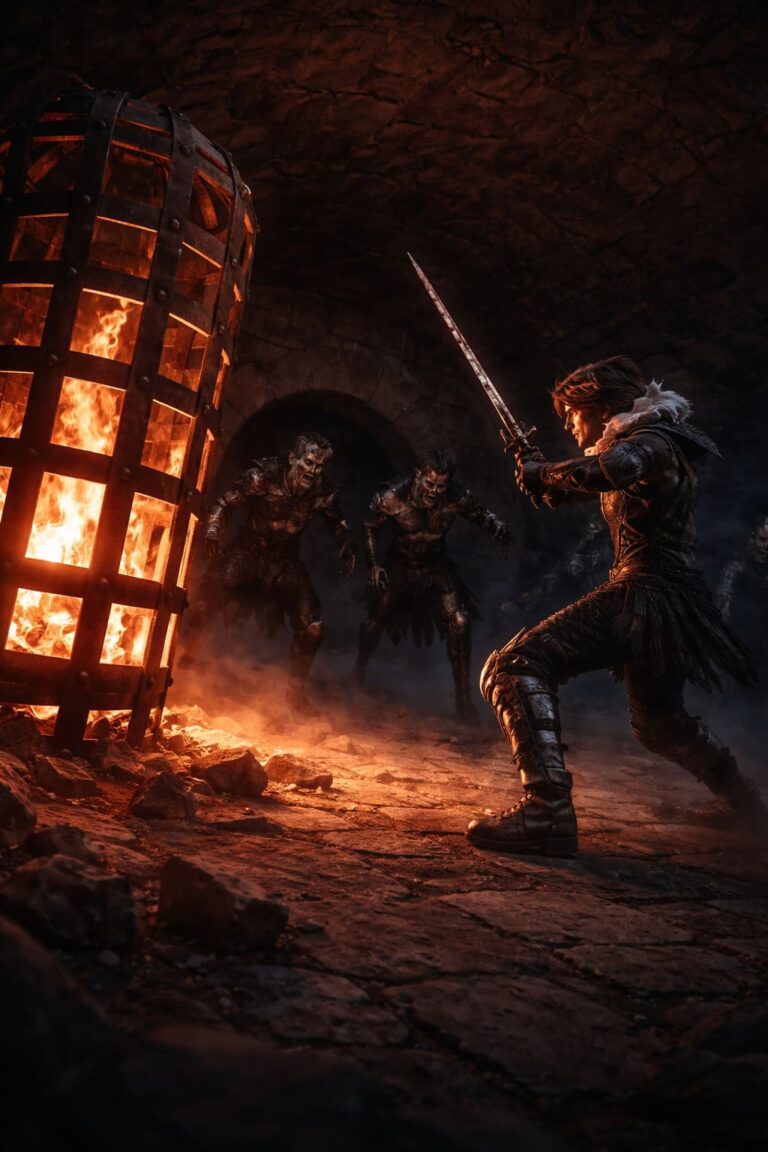
Crimson Desert Lore Deep Dive: Kliff Macduff vs. Black Bears & The Human Side of Pywel
If you’ve spent years diving into story-heavy RPGs, you start to notice a pattern: most revenge plots feel recycled. A fallen hero, a villainous faction, a predictable climb back to power.
But every once in a while, a game shows up that actually makes you feel something. That’s exactly the vibe I get from Crimson Desert by Pearl Abyss.
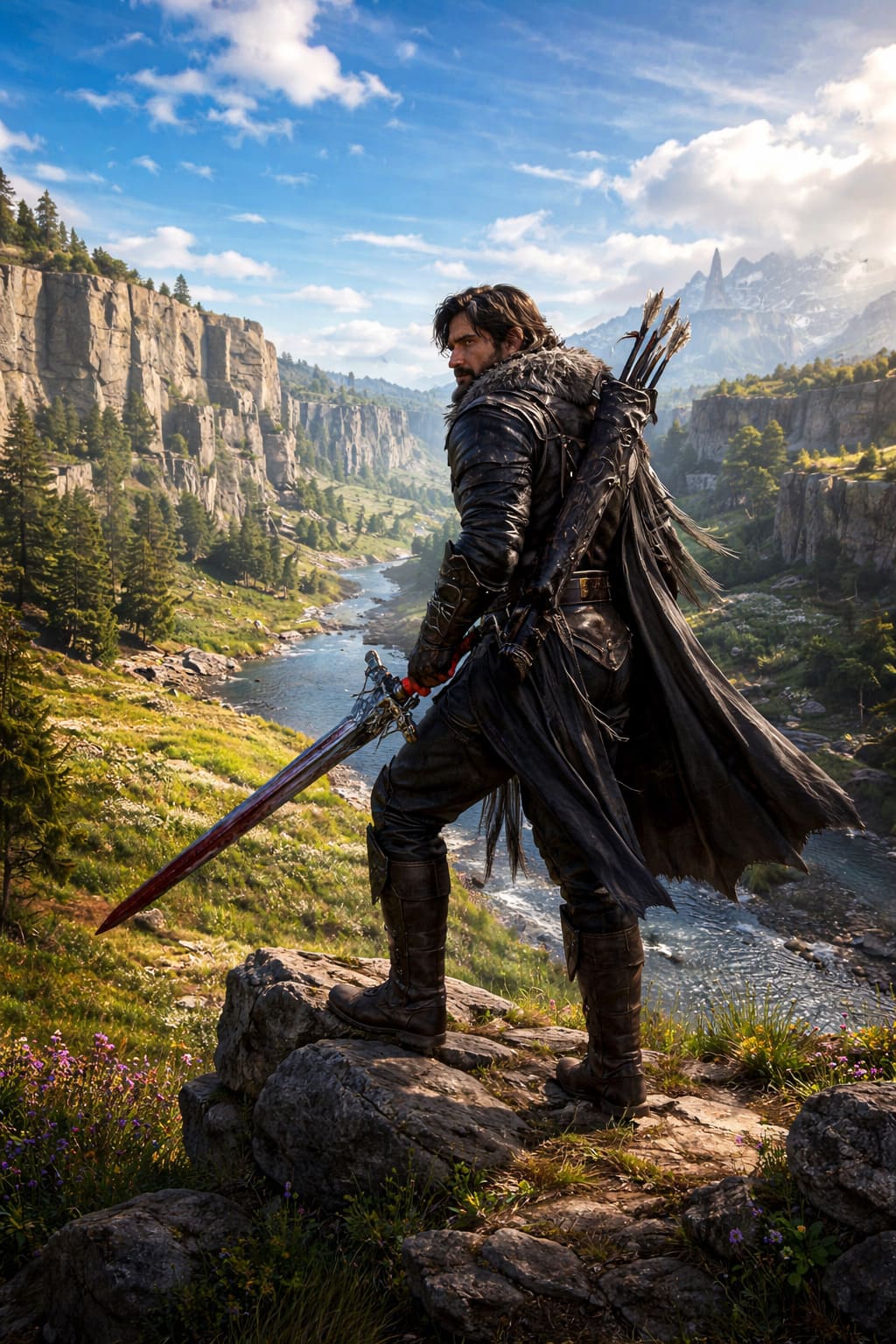
After digging into the lore of Pywel, I can honestly say this isn’t just another “mercenary revenge story.” It’s a brutal, emotional, and surprisingly grounded conflict — especially when you look at the rivalry between Kliff Macduff and the Black Bears.
Crimson Desert vs. Black Desert Online (2026): Comparison of Pearl Abyss’s Giants
This is the kind of narrative that reminds me why I fell in love with games in the first place.
Kliff Macduff — Not Your Typical RPG Hero
Let’s start with Kliff. On paper, he sounds familiar: a battle-hardened warrior, leader of a mercenary group, driven by loss. But what makes him stand out is how tired he feels — in a good way.
He’s not chasing glory. He’s trying to pick up the pieces of a life that’s already been shattered.
What makes Kliff interesting:
- He’s already lost everything — this isn’t a rise-to-power story, it’s a recovery story
- Leadership weighs on him — you can feel the burden of the Greymanes
- His motivation feels human — not destiny, not prophecy… just loyalty and grief
As someone who’s played countless RPGs, I appreciate when a protagonist isn’t trying to “save the world” right away. Kliff’s journey starts smaller — find your people, survive, and maybe get revenge. That grounded beginning makes everything else hit harder.
The Greymanes vs. Black Bears — A Conflict That Feels Personal
At its core, this isn’t just good vs. evil. It’s more like two sides of the same coin — mercenaries shaped by a brutal world, just with very different moral compasses.
Here’s a quick breakdown:
| Feature | Greymanes | Black Bears |
|---|---|---|
| Leadership | Kliff Macduff | Myurdin |
| Core Values | Loyalty, brotherhood | Power, dominance |
| Identity | Family-like unit | Ruthless warband |
| Current State | Broken, scattered | Aggressive, expanding |
What I love here is that the Black Bears don’t feel like cartoon villains. They’re not evil “just because.” They represent what the Greymanes could have become under different circumstances. And that contrast makes every encounter feel heavier.
The Night That Changes Everything
Every great story has that one moment — the turning point that defines everything that comes after. In Crimson Desert, it’s the ambush at Pailune.
Picture this:
- A mercenary group mourning their fallen leader
- Guards down, emotions high
- Then chaos erupts in the dead of night
The Black Bears don’t just attack — they annihilate.
Why this moment stands out:
- It’s not heroic — it’s messy, desperate, and unfair
- Key characters vanish or are presumed dead
- Kliff himself is defeated and thrown away like nothing
We’ve all seen “the hero gets knocked down” scenes. But here, Kliff isn’t just beaten — he’s discarded. Left for dead. That kind of humiliation adds emotional weight you don’t usually see done well.
Myurdin — A Villain Worth Watching
A good story lives or dies by its antagonist, and Myurdin seems like the kind of villain who could carry the entire narrative. He’s not just powerful — he’s calculated, brutal, and efficient.
Instead of long speeches or over-the-top theatrics, his defining trait is action. He wins. He destroys. He moves on. And that’s terrifying.
Why Myurdin works:
- He establishes dominance early
- He directly breaks the protagonist
- He leads a faction that reflects his ideology perfectly
In a lot of games, villains feel like obstacles. Here, Myurdin feels like a force.
Combat Style — Gameplay That Matches the Story
One thing that really excites me is how Kliff’s gameplay reflects his personality and situation. He’s not specialized — he’s adaptable. And that fits perfectly for a character who’s constantly on the back foot.
Kliff’s combat toolkit includes:
- Sword-and-shield combat
- Archery for ranged fights
- Grappling and physical control
- Elemental abilities via a mysterious bracelet
This “jack-of-all-trades” approach reminds me of why hybrid builds are so fun in RPGs. You’re not locked into one style — you survive by adjusting. And from a narrative perspective, it makes sense. Kliff isn’t a chosen one — he’s a survivor.
Beyond Revenge — The Abyss Changes Everything
Just when you think the story is about mercenary rivalry, the world starts to open up — and things get weird. The introduction of the Abyss and Radiant Fragments shifts the tone from grounded brutality to something much bigger.
At first, I was skeptical. A lot of games lose focus when they introduce world-ending threats too early. But here, it actually works.
What the Abyss adds:
- A sense of mystery and ancient danger
- New gameplay possibilities through powers and artifacts
- A larger narrative that doesn’t erase the personal stakes
The key detail? Kliff’s story doesn’t stop being personal. Even as the world expands, his core motivation stays the same. And that balance is hard to pull off.
Why This Story Feels Different
After going through all of this, the biggest takeaway for me is how grounded everything feels — even with fantasy elements involved. This isn’t just about saving the world, defeating evil, or becoming a legend. It’s about rebuilding a broken family, facing the people who destroyed it, and deciding what kind of leader you’ll be after everything falls apart.
That emotional core is what makes Crimson Desert stand out in a crowded genre.
Crimson Desert Deep Dive: Why Kliff Macduff Feels Like the Most Human Warrior in Modern RPGs
If you’ve been following Crimson Desert even a little, you already know it’s not just another open-world fantasy title trying to ride the hype train. What really caught my attention—someone who’s spent way too many hours across RPGs, action games, and sandbox chaos—is how grounded yet wild the gameplay feels at the same time.
This isn’t just about flashy combat or a pretty map. It’s about feel. And honestly, Kliff Macduff might be one of the most believable “fantasy warriors” we’ve seen in years.
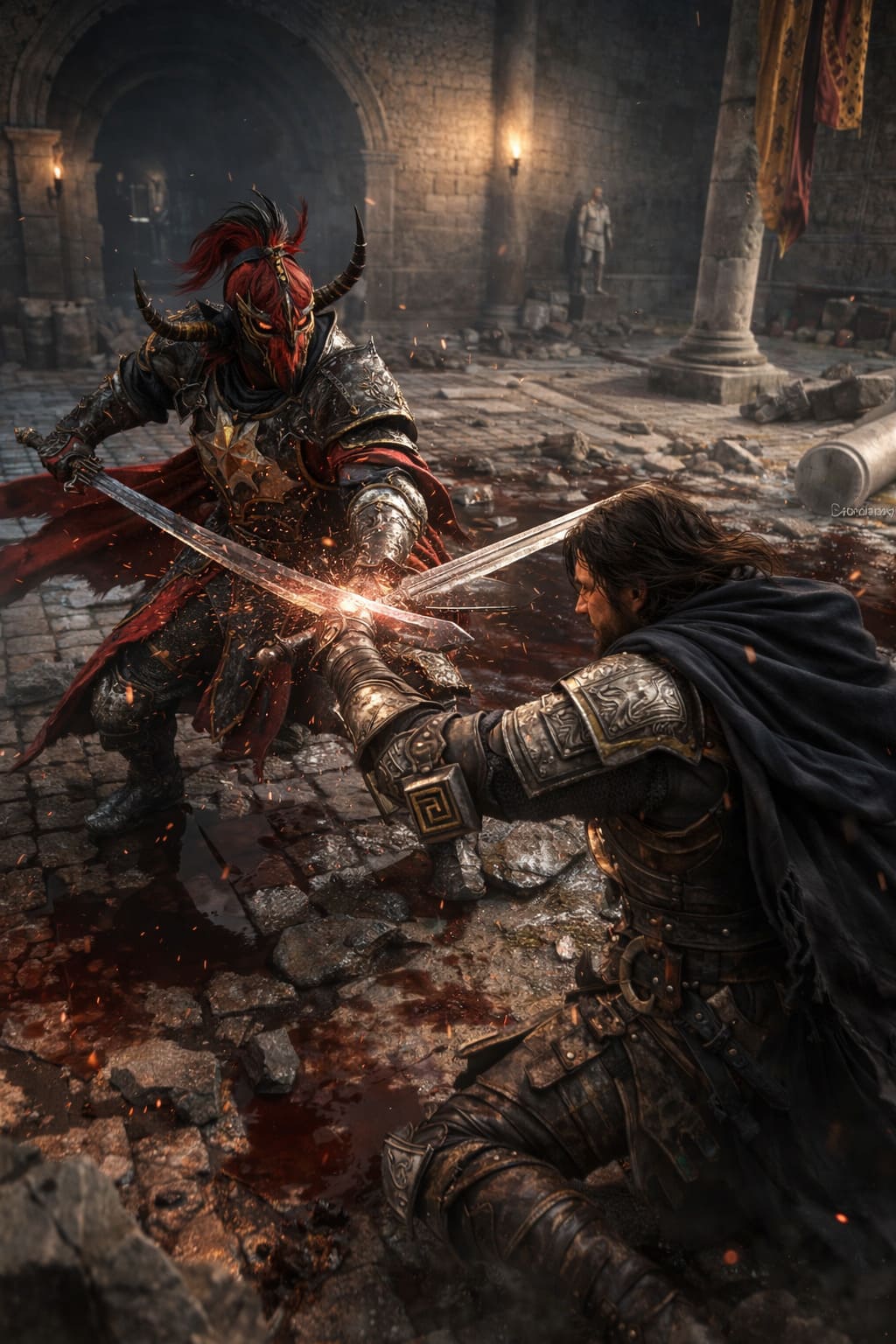
⚔️ Kliff Macduff: Not Your Typical Sword Guy
Let’s get this out of the way: Kliff isn’t some elegant, untouchable knight. He fights like someone who actually wants to survive. That means dirty hits, grapples, and using anything he can get his hands on.
What stood out to me immediately is how the game blends systems that usually don’t coexist:
1. Sword & Shield That Actually Feels Aggressive
Most games treat shields like passive tools. Here? It’s basically a weapon.
- Shield bashes aren’t filler—they interrupt and control fights
- A well-timed Perfect Block flips defense into offense instantly
- Counter-attacks feel weighty, not scripted
It reminds me of why melee combat in games like Dark Souls feels so good—but with more cinematic chaos layered on top.
2. Grappling System (Yes, Like Wrestling… and It Works)
This is where things get interesting. You’re not just slashing enemies—you’re manhandling them:
- Suplex enemies mid-fight
- Throw them off cliffs
- Slam them into other enemies
And surprisingly, it doesn’t feel gimmicky. It feels tactical. When you’re surrounded, grapples become your crowd-control lifeline. Honestly, it gave me unexpected vibes of Dragon’s Dogma, but way more brutal and fluid.
3. Archery That Rewards Style, Not Just Accuracy
Ranged combat isn’t just “step back and shoot.” The slow-motion mechanic during movement—jumping, sliding—adds a cinematic layer:
- You can line up precision headshots mid-air
- Mounted enemies become actual targets, not annoyances
- It rewards creativity, not just positioning
This kind of system makes every fight feel like a highlight reel if you play it right.
4. Elemental Combat That Changes Your Playstyle
Kliff’s gauntlet introduces elemental effects, but it’s not just cosmetic.
| Element | Gameplay Impact | Why It Matters |
|---|---|---|
| Fire | AOE explosions | Great for crowd clearing |
| Lightning | Blink/dash mobility | Perfect for aggressive players |
Instead of just boosting damage, elements actually shift how you approach combat. That’s something a lot of RPGs promise but rarely deliver.
5. Mounted Combat That Isn’t Clunky (Finally)
Let’s be honest—mounted combat in most games feels like an afterthought. Here, it’s smooth and intentional:
- Wide sword swings hit multiple enemies
- You can dodge while riding
- Positioning on horseback matters
It feels closer to a natural extension of combat rather than a separate system.
🌍 The World of Pywel: More Than Just Biomes
Now let’s talk about the world itself. Pywel isn’t just “snow area, desert area, green area.” Each region feels like it exists for a reason—and more importantly, affects how you play.
🏰 Hernand — Where Politics Feel Dangerous
Vibe: Classic medieval Europe
But: Not as safe as it looks
- Castles, markets, and nobility
- Hidden power struggles
- The Black Bears operate in the shadows
This region feels like the calm before everything goes wrong. If you’ve played The Witcher 3, you’ll recognize that same mix of beauty and quiet tension.
❄️ Kweiden — Survival Over Style
Vibe: Frozen wilderness
Tone: Brutal and unforgiving
- Blizzards affect stamina
- Creatures are built for the cold—you’re not
- This is Kliff’s origin
It’s the kind of region where the environment itself is your biggest enemy. Not just visually impressive—but mechanically meaningful.
🏜️ Akasish — Mystery, Heat, and Ancient Power
Vibe: Endless desert and ruins
Gameplay Twist: The environment fights you
- Heat management matters
- Hidden knowledge and ancient structures
- Abyssal gates hint at deeper lore
This region feels like it’s hiding something bigger than the main story—which is always a good sign in open-world design.
🪨 Pailune — Pure Chaos Territory
Vibe: War-torn frontier
Energy: Constant danger
- Mercenary factions fighting for control
- No real law or safety
- The infamous Black Bear ambush happens here
This is where the game leans hardest into unpredictability. You’re never fully in control—and that’s the point.
🌌 The Abyss — Where Reality Breaks
Not really a region—more like a test of everything you’ve learned.
- Floating islands
- Physics-defying movement
- Combat + platforming challenges
It feels like a fusion of trials and progression systems. Think less exploration, more prove your skill or fail.
🧠 Why This All Works (From a Gamer’s Perspective)
A lot of modern RPGs try to do everything—and end up feeling shallow. What makes Crimson Desert stand out is how its systems connect.
- Combat isn’t isolated from the world
- Regions affect gameplay, not just visuals
- Mechanics encourage experimentation
And most importantly: Kliff feels human. He’s not overpowered in a boring way. He’s adaptable. Scrappy. Sometimes messy. That makes every fight feel earned.
📈 SEO Angle (Why This Game Is Trending)
From a content perspective, the game hits several high-interest keywords:
- Open-world RPG with dynamic combat
- Physics-based interactions
- Narrative-driven exploration
And the big three hooks:
- Kliff Macduff (character focus)
- Black Bears (antagonists)
- Pywel (worldbuilding)
That combination is exactly why discussions are popping up across gaming communities.
🏁 Final Thoughts
If you’re tired of RPGs where combat feels scripted and worlds feel like theme parks, Crimson Desert might genuinely surprise you. It’s not just trying to be bigger—it’s trying to be more alive. And honestly? That’s what makes it exciting.