Going Medieval Settler Relationships Guide: Master Social Mechanics in 2026 (v1.0 Update)
If you’ve spent any serious time with Going Medieval, you already know something important: raids and winters aren’t always the biggest threat to your colony.
Sometimes the real danger is two settlers who simply can’t stand each other.
With the 1.0 release in 2026, the social system in the game evolved into something much deeper than the old “small mood modifier” mechanic. Relationships now affect productivity, mental stability, and even the long-term survival of your settlement. I’ve played dozens of colonies across different patches, and if there’s one lesson I learned the hard way, it’s this:
A well-designed fortress can still collapse if the people inside it hate each other.
In this guide, I’ll break down how settler relationships actually work now, how to manage conflicts, and how to build a colony where people don’t constantly punch each other during dinner.
Understanding the Affection System
At the center of the social system sits Affection. Every settler has an individual relationship score with every other settler in your colony.
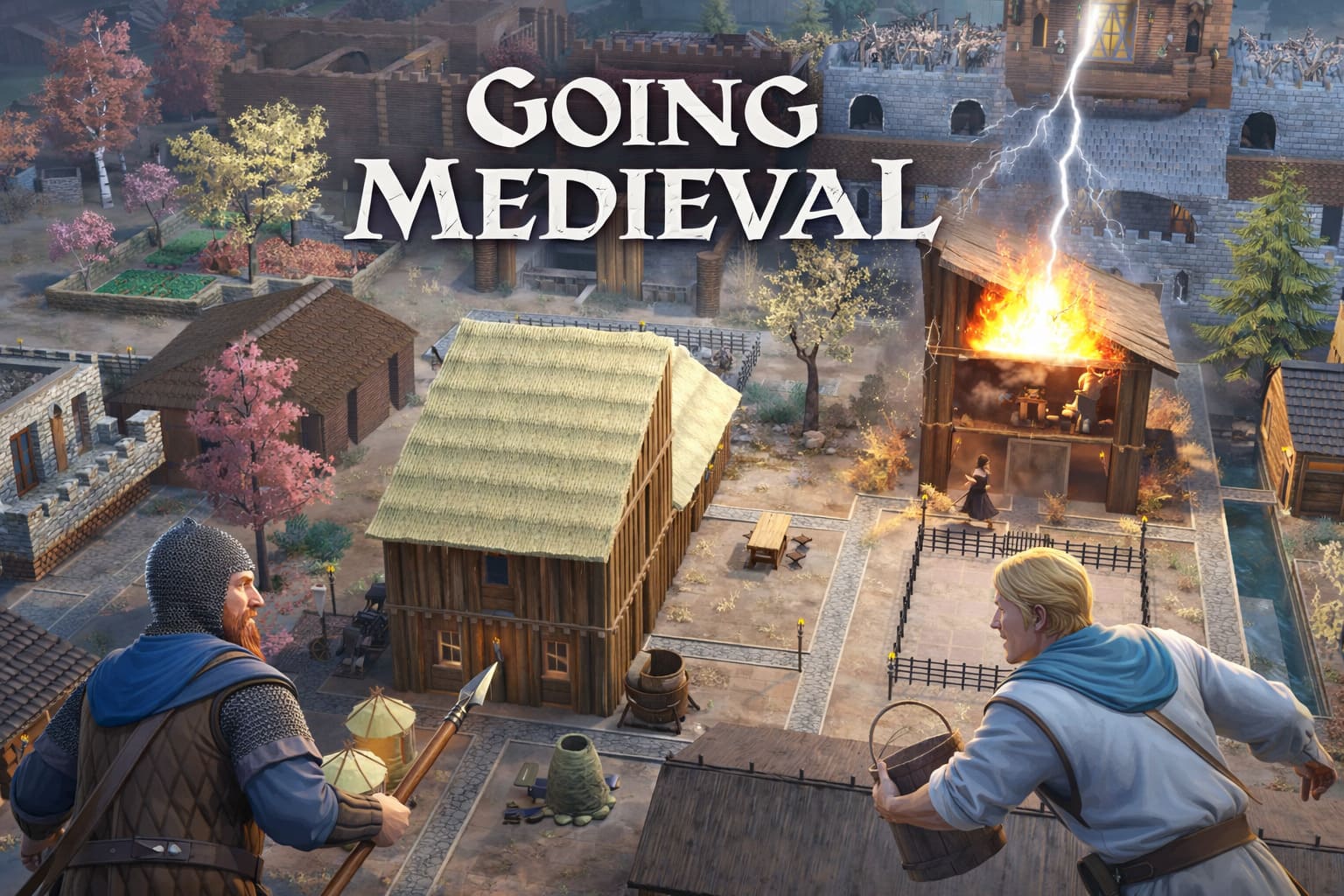
The scale runs from -100 to +100, and the effects become noticeable long before you hit either extreme.
| Affection Level | Relationship Type | Gameplay Impact |
|---|---|---|
| 0 | Stranger | No mood impact |
| +20 | Acquaintance | Small mood bonus when working together |
| +50 | Friend | Noticeable social buff |
| +80 | Best Friend | Major mood boost and improved cooperation |
| -50 | Rival | Frequent negative interactions |
| -80 | Nemesis | High chance of fights |
In small colonies, these values matter even more. When you only have 5–8 settlers, every single relationship influences the entire social environment.
Two rivals working next to each other in a mine can tank the mood of half the colony within a few days.
How to Drain Flooded Cellars in Going Medieval: 2026 Drainage Guide
How Social Interactions Actually Happen
Unlike some colony sims where relationships are scripted events, Going Medieval uses proximity-based interactions.
Settlers interact automatically when they are within roughly three tiles of each other. This happens during work, leisure, meals, or even while passing each other in corridors.
Most interactions fall into four main categories:
- Pleasant Conversation – The most common interaction. If it succeeds, affection increases slightly.
- Deep Discussion – Usually happens during leisure time. These conversations give much larger relationship boosts.
- Awkward or Negative Interaction – Failed social rolls can create small affection losses.
- Insults or Fights – When affection drops low enough, things escalate into actual conflicts.
Speech skill plays a huge role here. High-speech settlers act as natural “social glue,” helping stabilize relationships across the colony.
Traits That Shape Social Life
Traits were always important in Going Medieval, but the 1.0 version made them far more impactful socially.
Some settlers are simply easier to live with than others.
Traits That Improve Colony Harmony
These traits consistently create positive social environments:
- Congenial – Gains relationships faster than normal.
- Eloquent – Better chance of successful conversations.
- Kind – Performs comforting interactions with unhappy settlers.
If I’m building a long-term colony, I almost always try to include at least one highly social character with traits like these. They tend to become the unofficial morale officer.
Traits That Cause Trouble
Then there are the settlers who seem determined to ruin everyone’s day.
- Churl – Frequent negative interactions.
- Abrasive – Tends to insult others.
- Misanthrope – Prefers being alone and suffers in crowded areas.
A single Churl in a tiny colony can genuinely destabilize things within the first season.
I’ve watched entire settlements spiral into constant arguments because of one personality clash.
Going Medieval 1.0 Research Tree Guide: Tech Progression for 2026
Social Engineering: Yes, It’s a Real Strategy
One of the coolest things about the updated system is that relationships aren’t purely random.
You can actually manipulate social outcomes if you know what you’re doing.
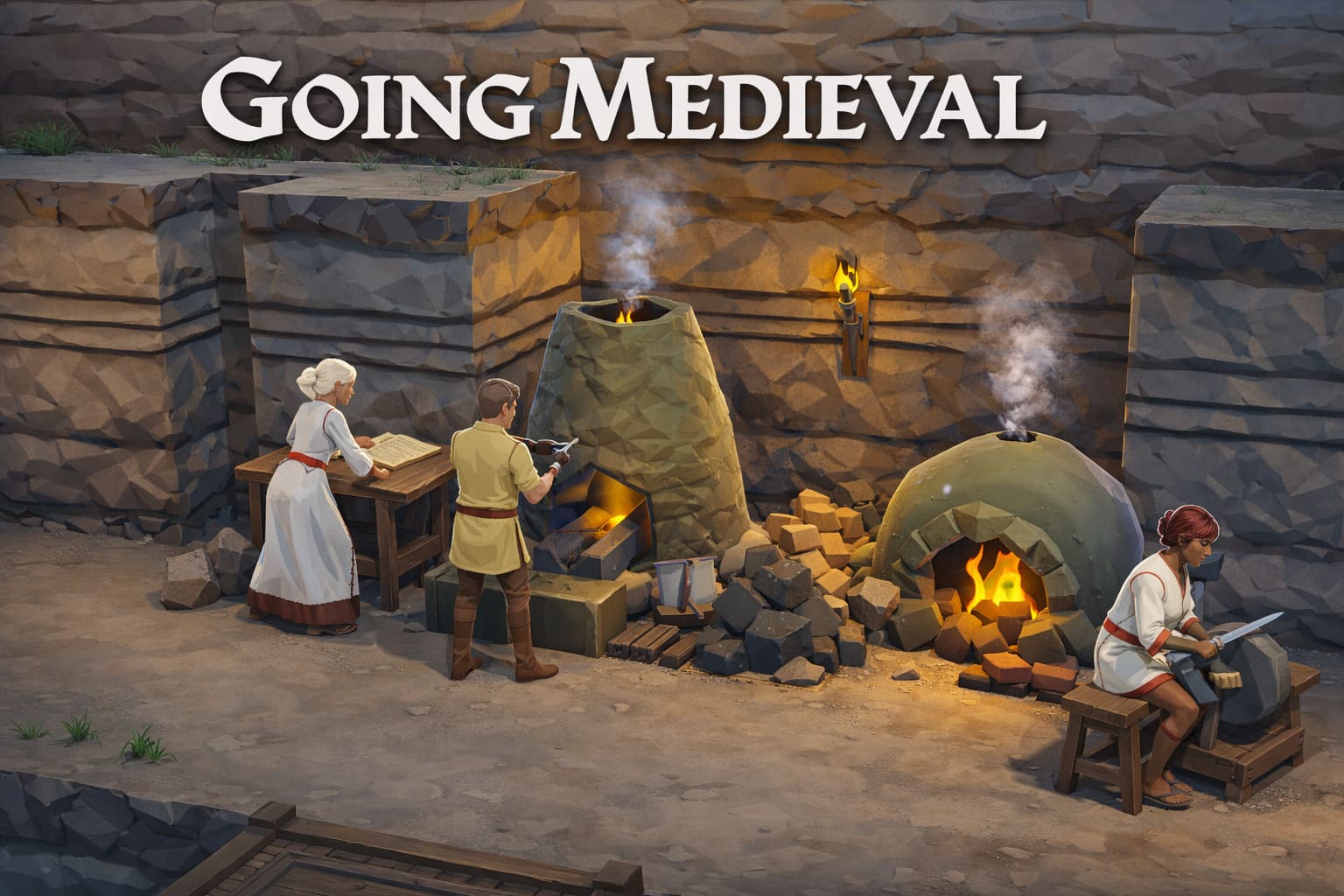
Healing Builds Relationships Fast
Medical treatment is one of the most powerful ways to improve relationships.
When a settler treats another’s wounds, it can generate large affection gains during recovery.
After a raid, I often deliberately assign specific doctors to patients who dislike them. Over time, repeated treatment sessions can slowly repair broken relationships.
It feels surprisingly realistic.
Work Placement Matters
Where settlers work has a huge influence on who they interact with.
If you want two settlers to become friends:
- Assign them to the same research bench.
- Put them in the same mine.
- Let them harvest the same crop field.
Frequent proximity increases the number of social rolls.
If you want to prevent fights?
Separate them.
I’ve literally run day and night shifts in some colonies just to keep rivals from meeting in the dining hall.
The New Role System and Its Social Impact
The 1.0 update introduced formal roles in colonies, and they now influence relationships too.
These aren’t just titles—they shape how settlers interact.
Leadership Roles
The Leader or Abbot provides a social bonus aura that improves interaction success rates nearby.
However, personality matters here.
If your leader has terrible social traits, the entire colony can feel the negative effect.
Warden as Mediator
Wardens now have the ability to mediate conflicts between settlers.
Over time, they can reduce hostility between rivals and slowly push affection back toward neutral.
It’s not instant, but it helps prevent long-term feuds.
The Tavern Keeper
One of the most fun additions to the social system is the Tavern mechanic.
A settler assigned to serve ale in a tavern room can trigger relaxed social interactions that speed up friendship formation.
In my experience, taverns quickly become the social heart of the settlement.
Designing Buildings for Social Harmony
Architecture isn’t just about defense and efficiency anymore.
The way you design rooms directly affects how settlers interact.
The Ideal Great Hall
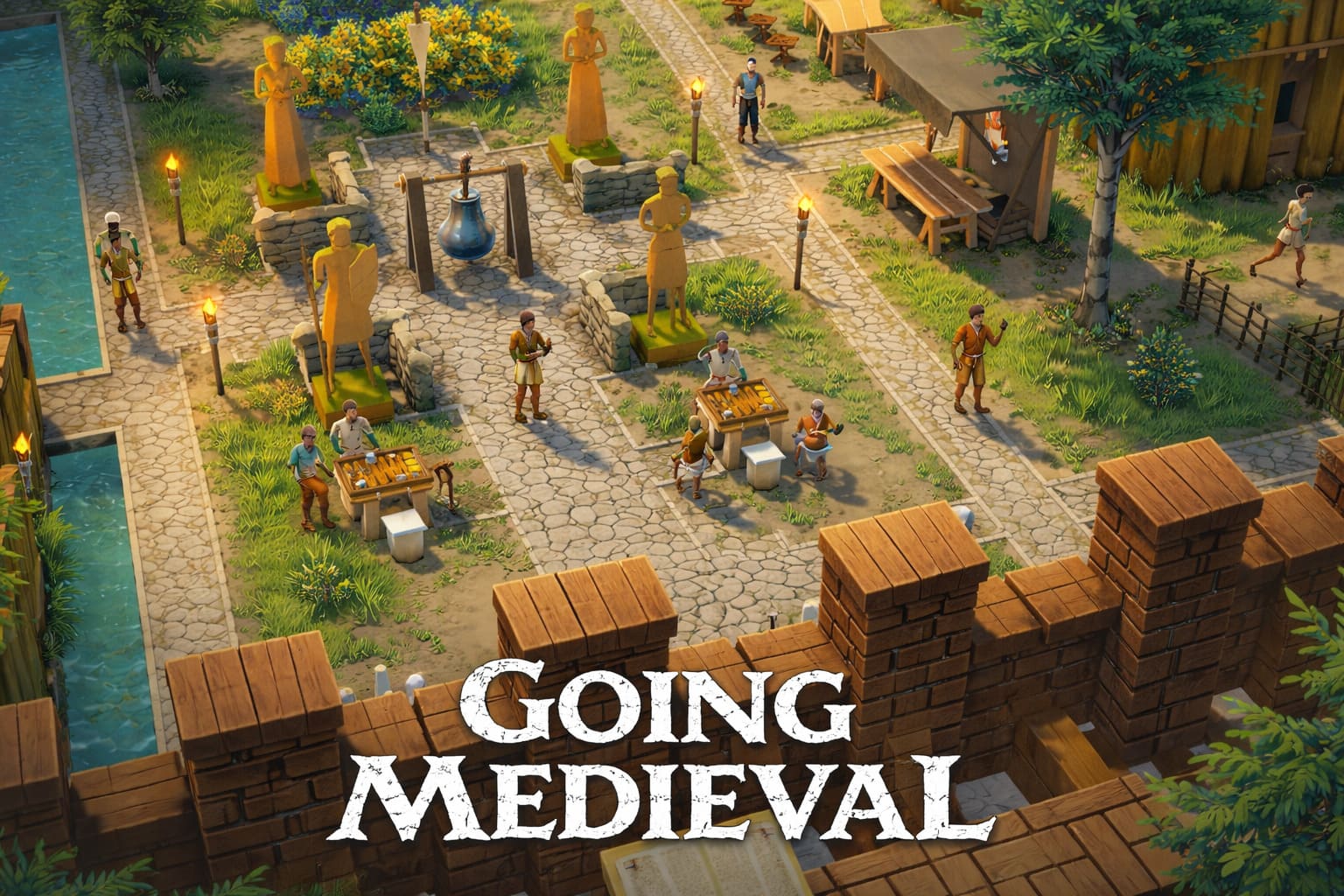
Your dining hall is the main social hub of the colony.
To maximize positive interactions:
- Use multiple small tables instead of one long table.
- Place entertainment items nearby.
- Increase room impressiveness.
These factors encourage longer social sessions and reduce the chance of negative interactions.
I’ve noticed that colonies with well-designed great halls tend to have much more stable moods overall.
Managing Rivalries Before They Become Fights
Sometimes relationships go bad no matter what you do.
When affection drops far enough, settlers start provoking each other.
Once they become Nemeses, fights become very likely.
And social fights in the 1.0 version are more dangerous than before.
Settlers can suffer permanent scars, lingering resentment, and long-term mood penalties.
One mechanic that helps is the ability to intervene.
If a fight starts, drafting a nearby settler with decent combat or social skill can break it up quickly.
This simple feature prevents injuries that could otherwise spiral into bigger problems.
The Hidden Threat: Sleep and Irritation
One subtle but important mechanic in the updated system is sleep disturbance.
If settlers who dislike each other share a dormitory, even minor events like someone walking through the room can trigger mood penalties.
That’s why I always reorganize sleeping quarters once rivalries appear.
Never place enemies in the same barracks if you can avoid it.
Morning mood spirals are very real in this game.
Why Relationships Matter More Than Ever
After hundreds of in-game days across multiple colonies, I’m convinced the social system is now one of the most important mechanics in Going Medieval.
A colony where settlers get along will maintain higher overall mood, recover faster after raids, experience fewer mental breaks, and work more efficiently.
Meanwhile, a colony filled with rivalries becomes chaotic surprisingly fast.
You’ll spend more time dealing with fights, injuries, and mental breakdowns than actually building your fortress.
Final Thoughts From a Long-Time Player
The deeper I get into Going Medieval, the more I appreciate how much the developers leaned into the human side of survival.
Yes, building walls and catapults matters.
Yes, surviving winter matters.
But the real challenge is building a community that can actually live together.
Pay attention to traits, monitor relationships, design social spaces carefully, and occasionally play colony therapist when things go wrong.
Do that, and your medieval settlement might just survive long enough to become something more than a desperate group of survivors.
Maybe even a thriving dynasty.