Control Resonant Best Supernatural Abilities Loadout Guide (2026 Meta)
If there is one thing that immediately stands out about CONTROL Resonant, it is how different Dylan Faden feels from Jesse.
The first Control trained us to think about distance. Jesse could float above the battlefield, throw half the room at an enemy, and switch between Service Weapon forms while maintaining a comfortable gap. Resonant takes that philosophy and turns it inside out. Dylan fights much closer, and his shapeshifting Aberrant weapon is at the center of almost every serious combat loop.
That change is not just a gimmick. Remedy has designed the sequel around a much more physical rhythm: attack, build Power, use a supernatural ability, stagger an enemy, execute it, and immediately turn that advantage into the next attack. The combat system is built around close-range pressure, staggers, status effects, and precisely timed dodges.
After spending time looking at the game’s abilities, progression systems, and the way the different parts of Dylan’s arsenal interact, I think the most interesting builds are not necessarily the ones that simply stack damage. The strongest setups are the ones that keep Dylan moving and make every part of the combat system feed the next one.
So, rather than simply copying a tier list, here’s how I would build Dylan if I were sitting down for a serious CONTROL Resonant playthrough.
Why Dylan’s Combat Changes Everything
The easiest mistake for returning Control players is to approach Dylan like Jesse with a new character model.
That doesn’t really work.

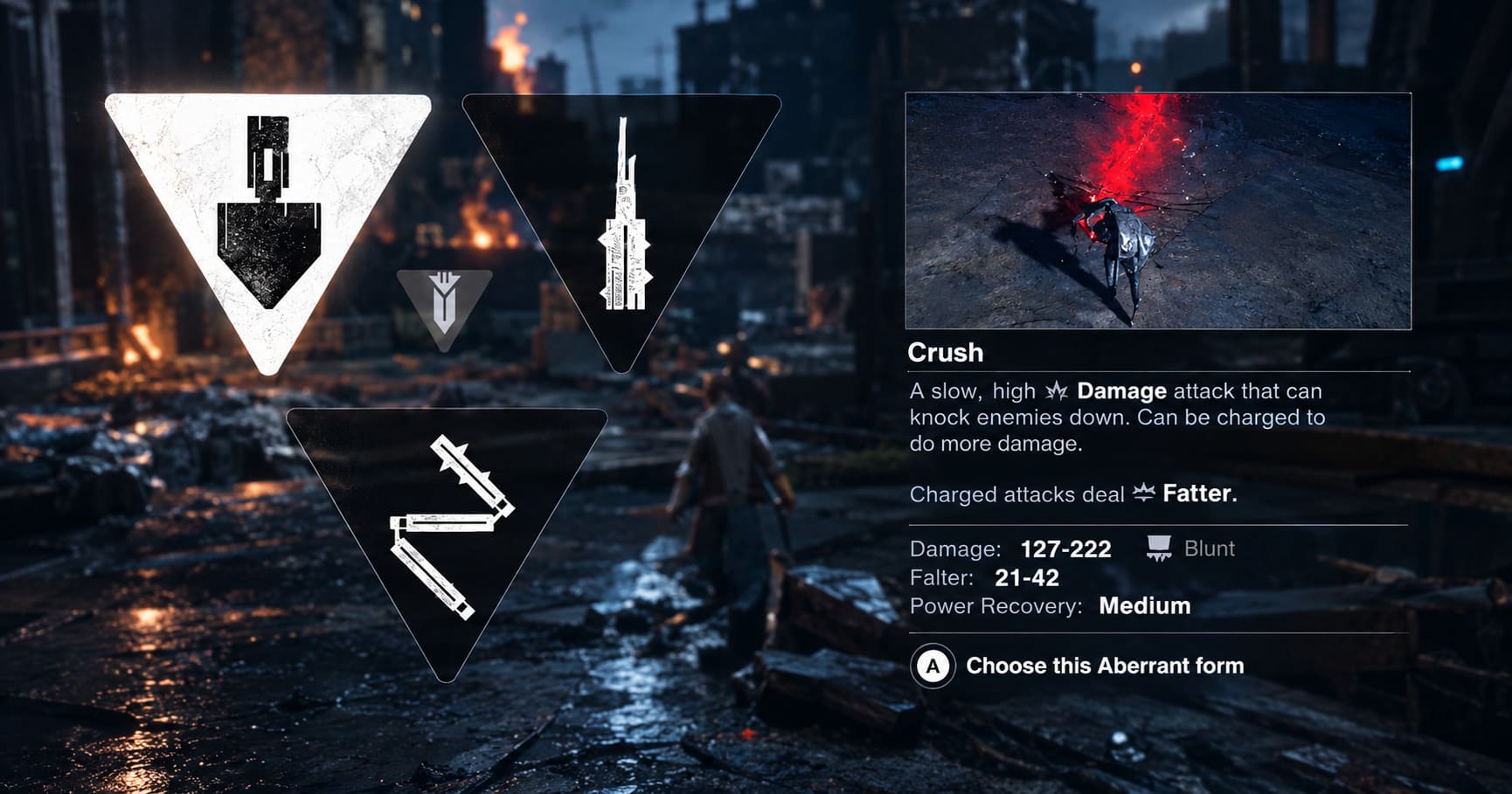
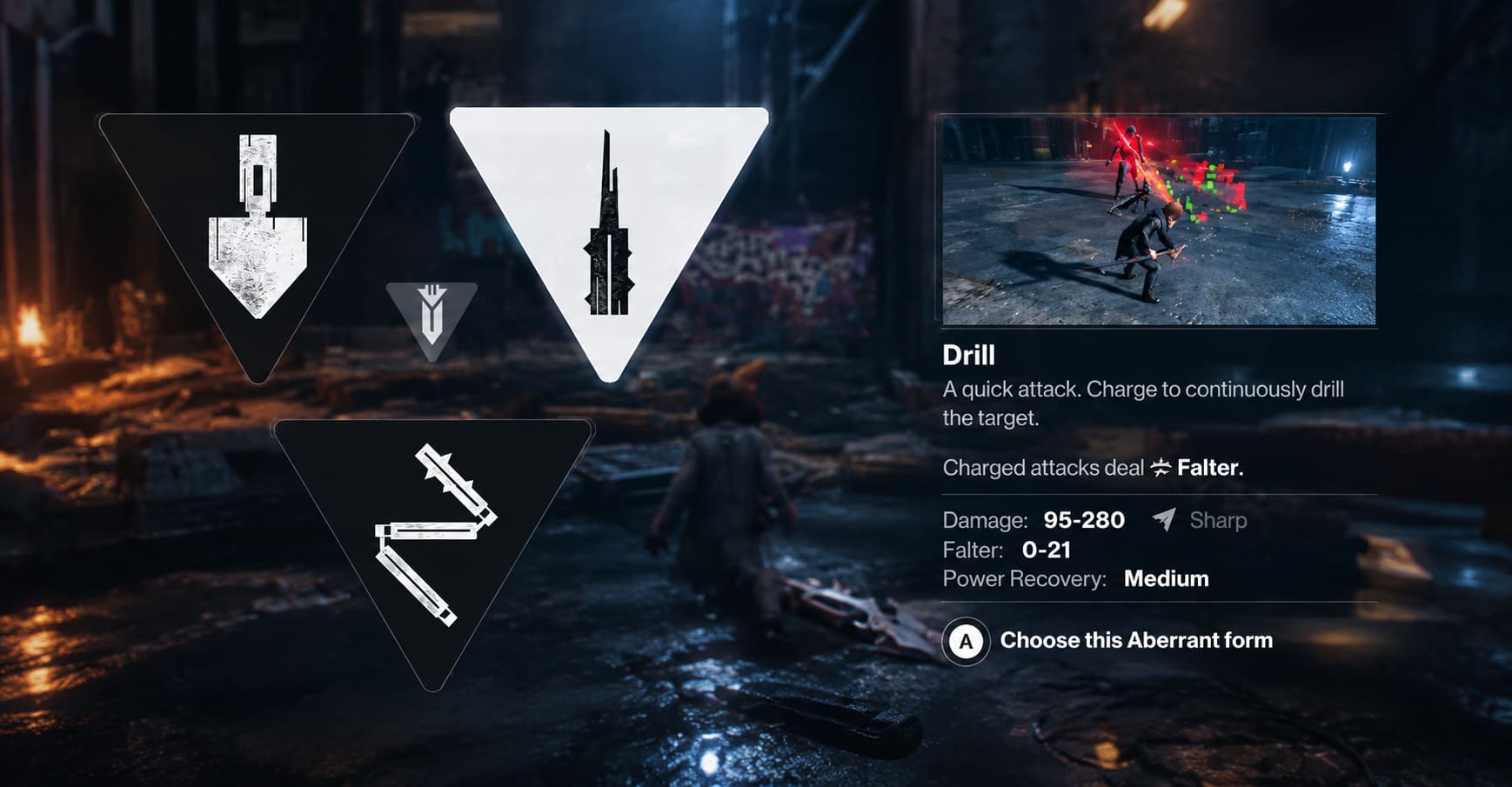
Dylan’s main weapon is the Aberrant, a shapeshifting melee weapon that can take forms designed around very different combat situations. The different forms can support everything from heavy two-handed attacks to faster dual-blade styles, while the customization system allows players to assign different forms to different parts of their combat approach.
The supernatural abilities are where things get particularly interesting.
Combat abilities consume Power, while melee attacks regenerate that resource. That means melee isn’t something you do while waiting for your “real” abilities to come back. Melee is what powers the abilities in the first place.
That is why I would think about Dylan’s build around three questions:
- How quickly can I generate Power?
- How reliably can I create Falter and executions?
- Can my abilities keep enemies under pressure while I stay aggressive?
Once you look at the game that way, the build system makes considerably more sense.
My Favorite Ability Choices
There is no single loadout that will magically make every encounter easy. In fact, one of the best things about Resonant is that Remedy deliberately makes abilities and weapon forms work together rather than existing as completely separate systems.
Here is how I currently see the major options.
| Ability / Tool | Main Role | Best Use |
|---|---|---|
| Barrage | Ranged Pressure | Starting fights and finishing weakened targets |
| Shield | Defense / Offense | Aggressive melee and counter-play |
| Push | Crowd Control | Creating space and setting up combos |
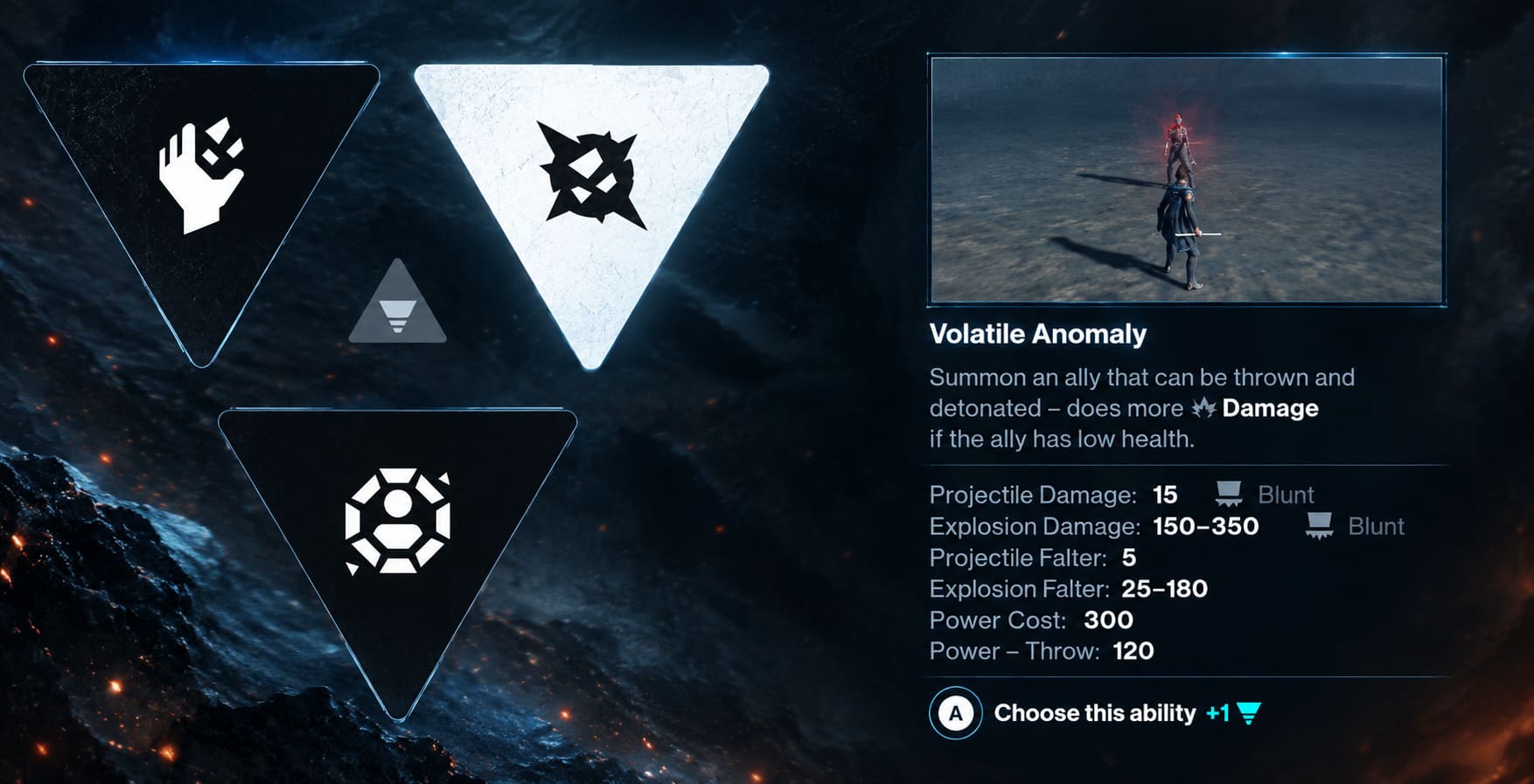
| Volatile Anomaly | Support / Damage | Distracting enemies and adding extra pressure |
| Reach | Mobility | Traversal and repositioning |
| Shift | Mobility / Positioning | Controlling vertical and distorted arenas |
Barrage is particularly interesting because it gives Dylan an answer when closing the distance isn’t immediately practical. It provides a way to pressure enemies from range, while Volatile Anomaly can add another layer of pressure and distraction.
And personally, I think that combination of melee pressure plus one ranged option is much more comfortable than trying to turn Dylan into a pure ranged character.
1. My Go-To Build: The Aggressive Hybrid
If I had to choose one setup for a first serious playthrough, this would be it.
Core idea
Melee + Barrage + mobility + execution bonuses.
I don’t want Dylan standing on the other side of an arena for ten seconds. That’s not where his combat system feels most interesting. Instead, I would use Barrage to soften targets, immediately close the gap, and start building Power through Aberrant attacks.
The loop looks something like this:
Barrage → close distance → melee combo → build Falter → execution → continue pressure.
The important part is that the execution isn’t simply the end of an encounter. It becomes the bridge into the next one.
The combat design connects stagger, executions and temporary combat advantages, while melee attacks regenerate the resource required for supernatural abilities.
Why I like it
This setup gives you an answer to almost everything.
- Enemy too far away? Barrage.
- Too many enemies approaching? Push or Shield.
- Target staggered? Execute.
- Power running low? Get back into melee.
- Arena becomes chaotic? Use Dylan’s mobility rather than trying to tank everything.
For me, this is the most “Control” feeling approach.
You’re not waiting for an ability cooldown. You’re constantly creating the next opportunity.
2. The Melee Bruiser Build
This is the build I’d recommend to anyone who thinks the best part of Resonant is smashing enemies with the Aberrant.
Forget playing cautiously.
The idea here is to prioritize Shield, defensive timing, Falter generation and a heavy Aberrant form.
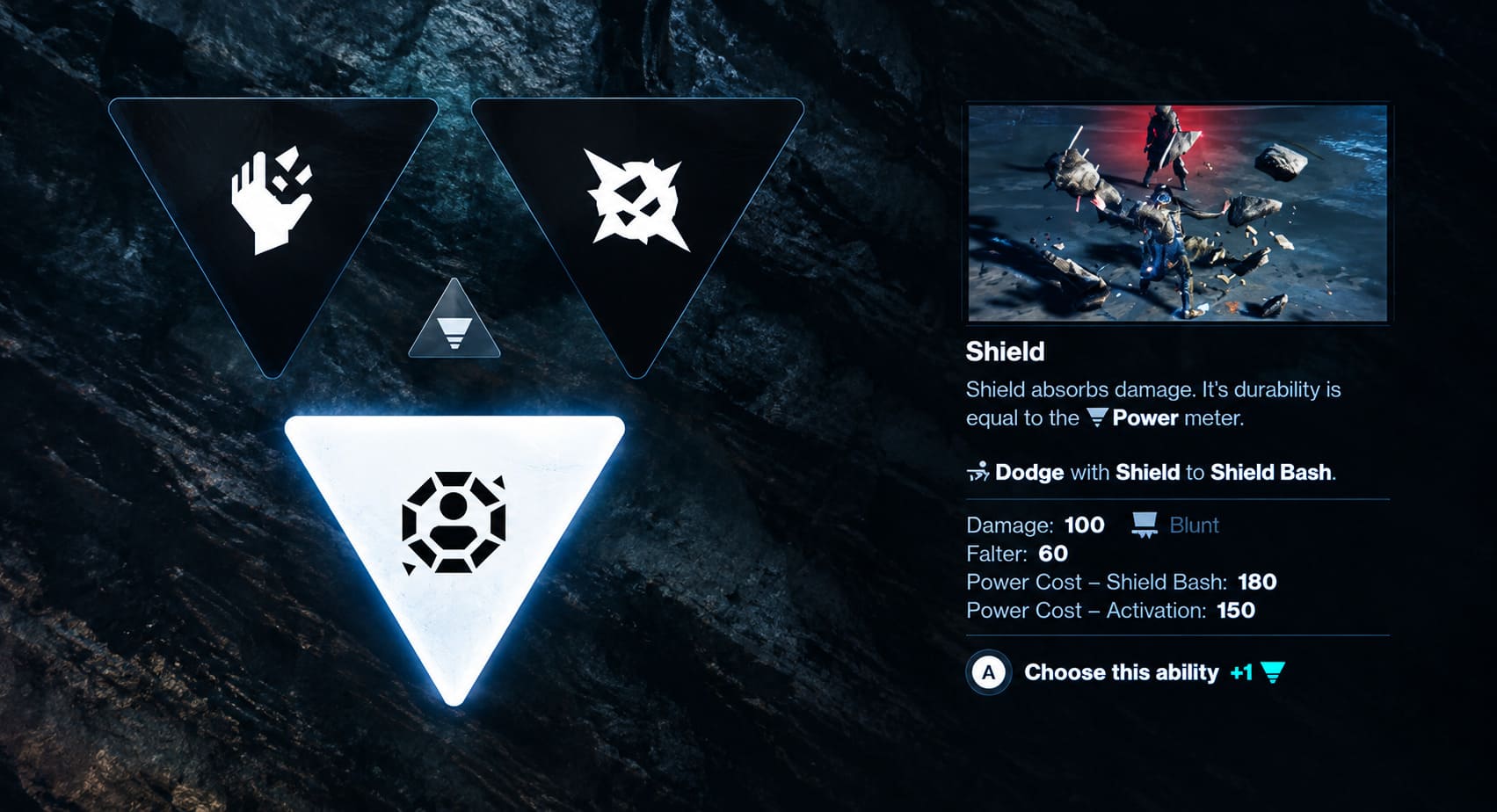
Shield is especially interesting because it isn’t simply a panic button. It can be used defensively and then turned into an offensive movement option, allowing Dylan to dash into enemies rather than simply hiding behind his defenses.
That is exactly the kind of ability I enjoy in Remedy games: something that looks defensive on paper but becomes aggressive once you understand the system.
My basic rotation
Shield → close distance → heavy Aberrant attack → stagger → execution → repeat.
The biggest advantage is momentum.
Instead of retreating every time an enemy starts attacking, you can use defense as part of your offense. Perfect Dodges are also worth learning here because the game allows players to manipulate the dodge window and combat behavior through Assist Mode if necessary.
I wouldn’t immediately turn every Assist Mode option in your favor, though.
Learn the timing first.
Once you understand what the game is asking from you, then decide which mechanics you actually want to customize.
3. The Crowd-Control Specialist
There are fights where raw damage isn’t the real problem.
The problem is too many enemies doing things at once.
That’s where I would build around Push and an additional ability capable of applying pressure to several targets.
Push is designed around knocking enemies back and creating openings for melee strings. That makes it especially useful when several Hiss are trying to collapse on Dylan at the same time.
This is also where environmental awareness becomes incredibly important.
One of the things I really like about Resonant is that arenas aren’t just flat rooms. Dylan’s movement abilities allow him to navigate vertical and distorted environments, while Gravity Anomalies can completely change how you approach a space.
So instead of thinking:
“How do I kill these five enemies?”
I prefer thinking:
“How do I split these five enemies into manageable groups?”
Push can create that separation.
Then you pick the most dangerous target, build Falter, execute it, and move onto the next one.
4. Barrage Is More Important Than It Looks
I’m going to make a slightly different argument about Barrage than a traditional “best abilities” guide.
I don’t think Barrage is valuable simply because it does ranged damage.
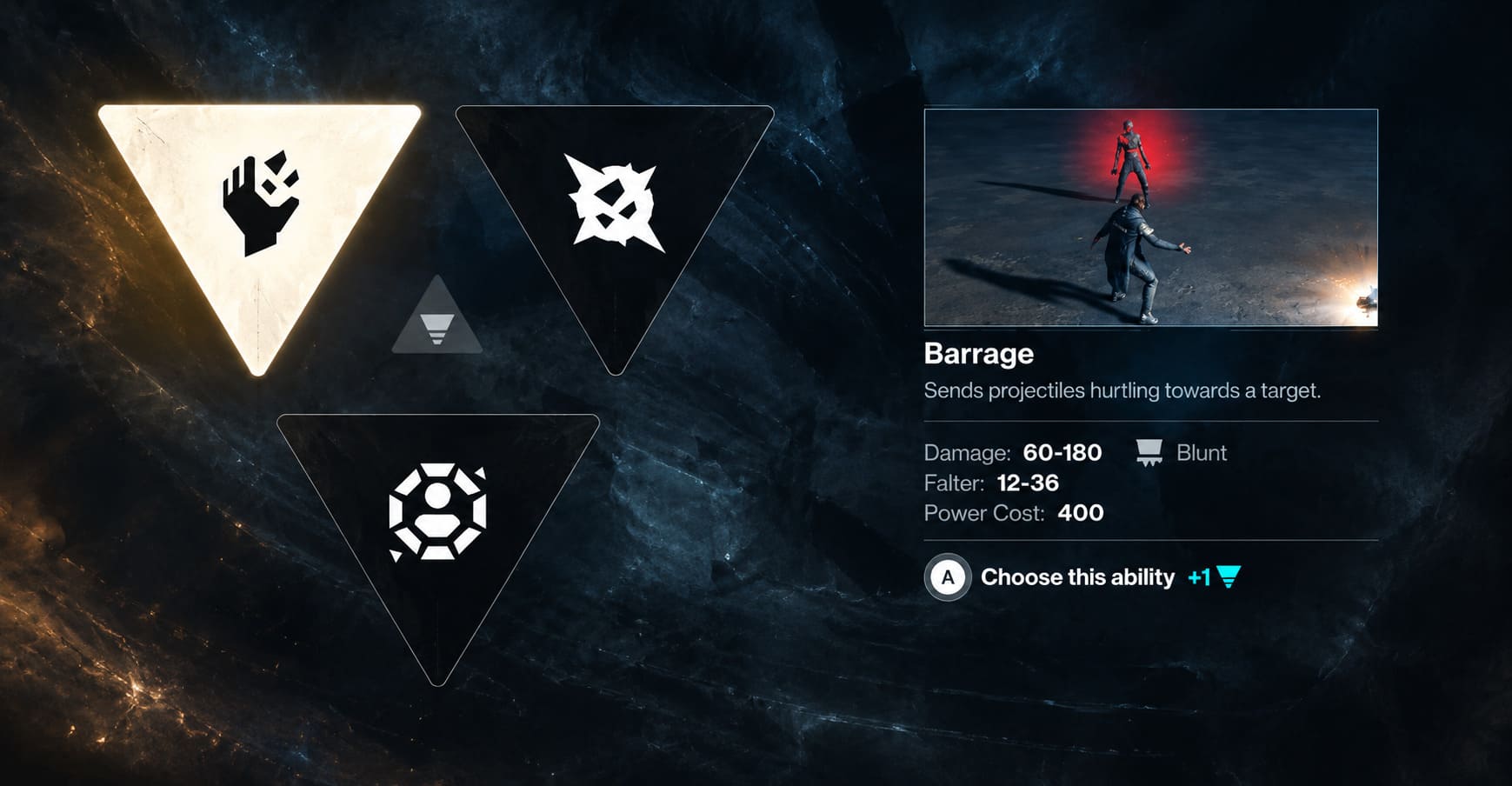
Its real value is tempo.
Dylan’s melee-focused design means there will be situations where running directly toward an enemy is a terrible idea. Maybe there are projectiles everywhere. Maybe a boss is temporarily exposed only at range. Maybe you need to interrupt something before committing to melee.
Barrage gives you something productive to do during those moments.
That’s why I’d keep it in my rotation even on a heavily melee-focused build.
Don’t treat Barrage as your main weapon. Treat it as the tool that gets you back into your main weapon’s ideal range.
That distinction matters.
Talents, Artifacts and Power Management
This is where I would be careful with guides that promise a single “mandatory” talent path.
Resonant gives you several layers of customization, including Talents, Aberrant upgrades, Combat Abilities and Artifacts. The systems are intended to work together rather than simply giving Dylan bigger numbers.
Artifacts are particularly interesting because they provide passive modifiers and can influence survivability, combat performance and resource economy. During a first playthrough, Dylan can equip up to three, with another slot becoming available in New Game Plus.
For my own build, I’d prioritize bonuses that support the combat loop rather than blindly choosing the largest damage number.
What I’d look for
- Power Recovery
- Ability efficiency
- Falter-related bonuses
- Melee damage
- Execution improvements
- Survivability that rewards aggressive play
The reason is simple: if your build allows you to use abilities more frequently, those abilities help you create Falter, Falter leads to executions, and executions feed your next offensive sequence.
That’s much more valuable to me than a passive bonus that only works under some extremely specific condition.
Early Game vs. End Game: How I’d Spend Upgrades
During the early game, I wouldn’t rush toward some supposedly perfect end-game build.
You don’t have the full system yet.
Instead, I’d focus on making Dylan comfortable to control.
Get used to the Aberrant’s attack patterns. Learn how Power regenerates. Practice dodging. Experiment with Barrage and Shield. Figure out which weapon form actually matches your hands rather than blindly following somebody else’s spreadsheet.
The Gap is particularly important because it’s where you can unlock upgrades, test builds and work on Dylan’s equipment.
Once the basic combat rhythm clicks, then I’d start specializing.
And this is where Resonant becomes much more interesting.
You don’t have to build “the strongest Dylan.”
You can build your Dylan.
My Recommended Progression Philosophy
If I were starting a fresh save today, my priorities would roughly look like this:
Early game:
Build survivability and learn the melee/Power loop.
Mid game:
Start specializing around one main Aberrant style and two complementary supernatural abilities.
Late game:
Optimize Falter, executions, Power economy and ability synergy.
New Game Plus:
Go completely crazy with combinations that weren’t possible during the first run.
That last part is particularly exciting because New Game Plus allows you to carry important progression forward and experiment with combinations that aren’t available during the first playthrough.
That’s exactly the sort of system I want from a sequel like this.
How to Fix Control Resonant Crash on Launch on Steam (2026 Guide)
The Biggest Mistake I Would Avoid
Don’t try to play Dylan like Jesse.
Seriously.
If you spend the entire game looking for opportunities to stay safely at long range, you’re ignoring the system built around the Aberrant.
Dylan is supposed to move.
He is supposed to take risks.
He is supposed to generate Power through combat, spend it on supernatural abilities, create openings, execute enemies and immediately capitalize on those openings.
Once that clicks, the game feels much less like a traditional third-person shooter and much more like a supernatural action RPG.
And honestly, that’s what makes the sequel interesting to me.
Control Resonant Ending Explained: Meaning, Dylan’s Fate, and Remedy Connected Universe Future
The Final 2026 Loadout I’d Personally Use
If I had to keep things simple and pick a setup for my own playthrough, I’d start here:
| Slot | My Choice | Reason |
|---|---|---|
| Ranged Ability | Barrage | Reliable pressure when melee isn’t practical |
| Defensive Ability | Shield | Defense that can immediately become offense |
| Crowd Tool | Push | Creates space and starts melee opportunities |
| Primary Weapon Style | Heavy Aberrant Form | Strong stagger and satisfying finishers |
| Secondary Style | Fast Aberrant Form | Mobility and faster combo building |
| Artifact Focus | Power / Combat Economy | Keeps the ability loop moving |
The beauty of this setup is that it doesn’t force you into one button.
Barrage creates the opening. Push controls the crowd. Shield keeps you alive. The Aberrant does the dirty work. Executions keep the momentum going.
That’s the loop I’d build around.
And while I wouldn’t call this some mathematically proven “one true meta”—the game gives you enough flexibility that different builds can absolutely work—I think this is the kind of setup that best captures what CONTROL Resonant is trying to do.
The sequel may have moved away from Jesse’s floating telekinetic gunfighter fantasy, but Dylan has something else going for him: momentum.
Once you stop fighting that momentum and start building around it, the combat becomes much more satisfying.
My advice? Pick one ranged ability, one defensive or control option, build around the Aberrant form you genuinely enjoy using, and make Power regeneration the engine of the whole setup. Don’t chase bigger numbers just because a guide says they’re optimal. Chase the build that lets you stay aggressive without losing control of the fight.
Because in CONTROL Resonant, that’s when Dylan really starts to feel powerful.